كازاخستان هي واحدة من أكثر الوجهات إثارة للاهتمام والمُقللة من قيمتها الوجهات في آسيا الوسطى. معروفة بسهولها الواسعة، وتقاليدها البدوية، ومدنها المستقبلية، ومناظرها الطبيعية الخلابة، تقدم البلاد أكثر مما يتوقعه الكثير من المسافرين. من صيادي النسور وتاريخ طريق الحرير القديم إلى إطلاق الفضاء والكثبان الرملية المغنية، هناك العديد من الحقائق الممتعة عن كازاخستان التي تجعلها فريدة حقًا.
سواء كنت تخطط لرحلة أو مجرد فضولي بشأن هذه البلاد الضخمة، ستساعدك هذه الحقائق المثيرة عن كازاخستان على اكتشاف سبب استحقاقها مكانًا في قائمة كل مسافر.
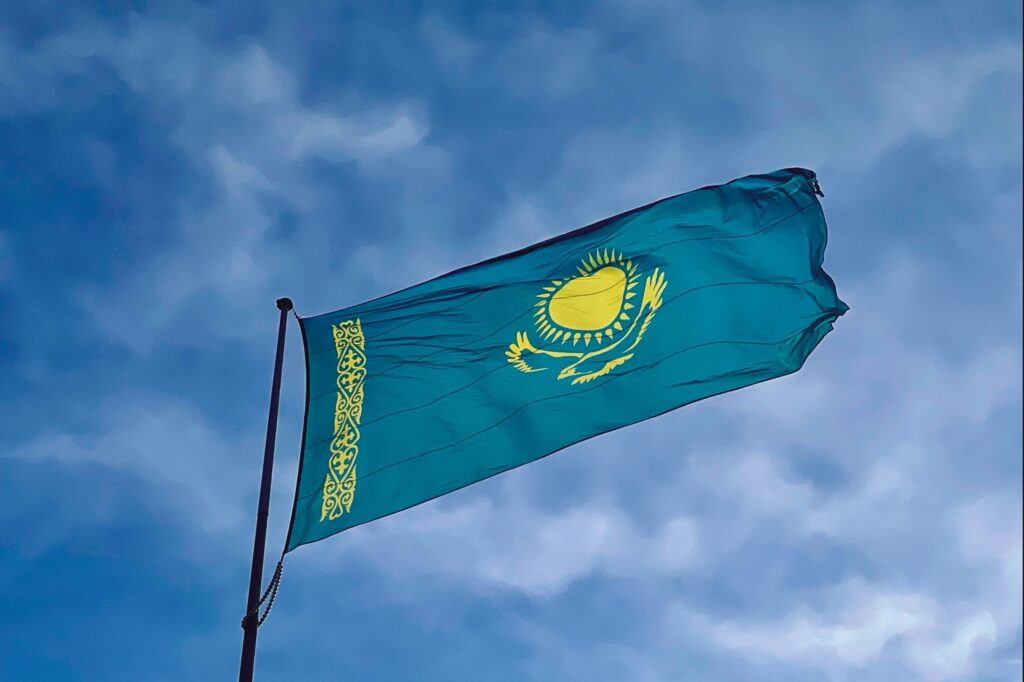
1. كازاخستان هي أكبر دولة غير ساحلية في العالم
واحدة من أكثر الحقائق المفاجئة عن كازاخستان هي أنها أكبر دولة حبيسة في العالم. على الرغم من عدم وجود وصول مباشر إلى المحيط، تغطي كازاخستان مساحة شاسعة تزيد عن 2.7 مليون كيلومتر مربع.
تمتد البلاد عبر آسيا الوسطى وحتى جزء صغير من أوروبا الشرقية. بسبب حجمها، تتمتع كازاخستان بتنوع مذهل في المناظر الطبيعية، من الصحارى والأودية إلى البحيرات الجبلية والجبال المغطاة بالثلوج.
2. كازاخستان أكبر من أوروبا الغربية
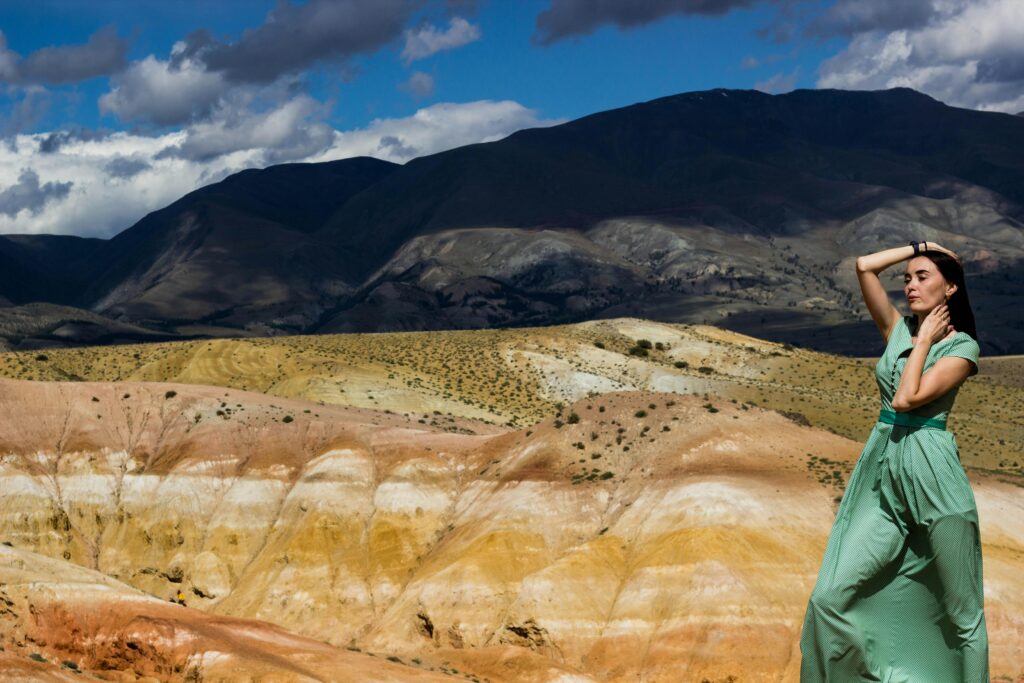
الكثير من الناس لا يدركون مدى ضخامة كازاخستان. فهي أكبر من دول مثل فرنسا وألمانيا وإسبانيا وإيطاليا والمملكة المتحدة مجتمعة.
يمكن أن يستغرق السفر عبر كازاخستان أيامًا بسبب المسافات الشاسعة بين المدن والمناطق. تمنح هذه الأراضي الواسعة البلاد مساحات مفتوحة لا نهاية لها وبعض من أقل الوجهات الطبيعية ازدحامًا في العالم.
3. الخيول مرتبطة ارتباطًا عميقًا بالثقافة الكازاخستانية
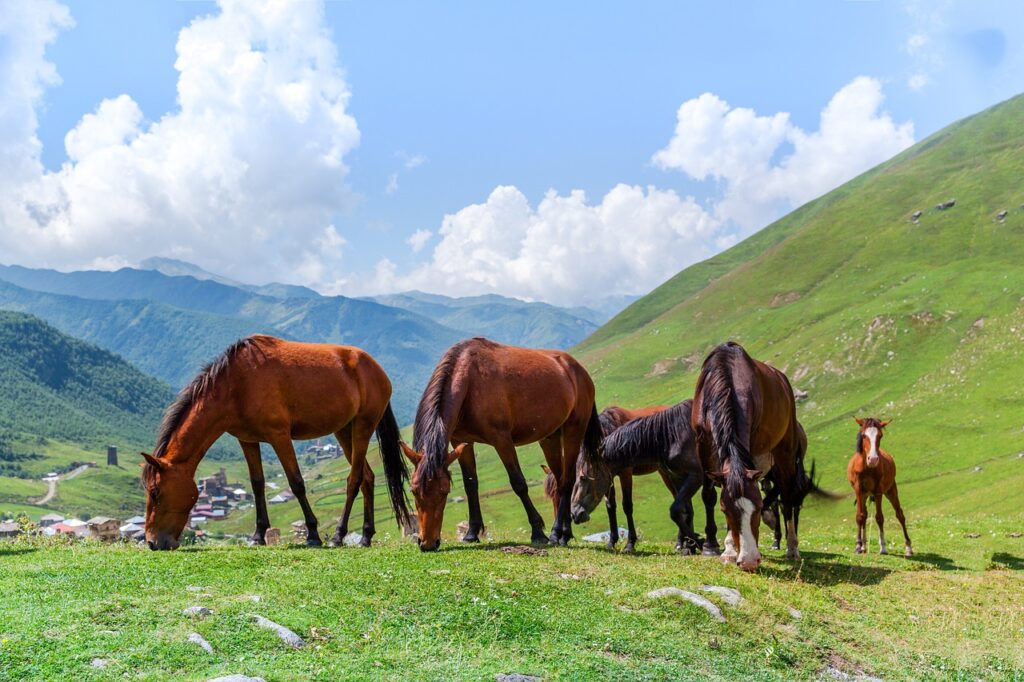
لعبت الخيول دورًا رئيسيًا في حياة البدو الكازاخستانيين لقرون. تاريخيًا، كان الكازاخيون يسافرون عبر السهوب على ظهور الخيل ويعتمدون على الخيول في التنقل والتجارة والبقاء.
حتى اليوم، تظل الخيول رمزًا مهمًا للحرية والهوية الوطنية في كازاخستان. لا تزال الألعاب والمهرجانات التقليدية للخيول تُحتفل بها في العديد من المناطق الريفية.
4. التفاح البري نشأ في كازاخستان
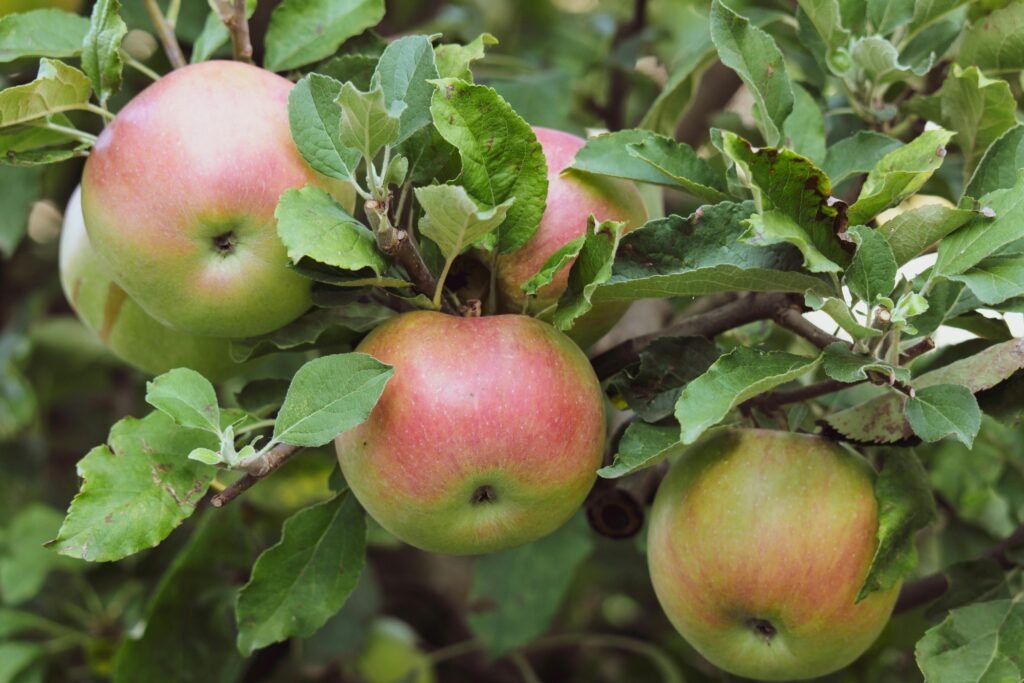
واحدة من أكثر الحقائق إثارة للاهتمام عن كازاخستان هي أن التفاح البري يُعتقد أنه نشأ بالقرب من ألماتي. في الواقع، اسم المدينة مرتبط ارتباطًا وثيقًا بالتفاح.
نوع التفاح البري Malus sieversii، الموجود في الجبال حول ألماتي، يُعتبر سلفًا للعديد من أنواع التفاح الحديثة التي تُؤكل حول العالم اليوم.
5. كانت كازاخستان جزءًا من طريق الحرير القديم

لعدة قرون، لعبت كازاخستان دورًا مهمًا في طرق تجارة طريق الحرير التي تربط الصين والشرق الأوسط وأوروبا.
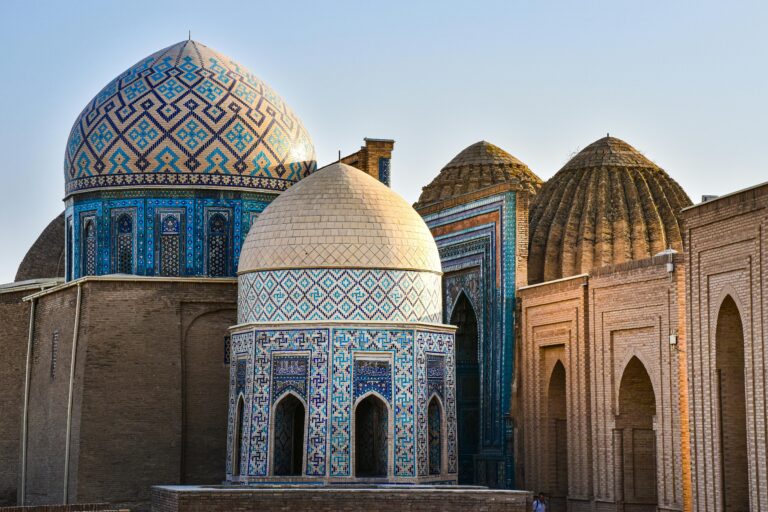
عبر التجار القدماء سهوب كازاخستان حاملين الحرير والتوابل والشاي والبضائع الثمينة. اليوم، يمكن للمسافرين استكشاف مدن طريق الحرير والأضرحة ومسارات القوافل في جميع أنحاء البلاد.
6. تتمتع البلاد بمناظر جبلية مذهلة
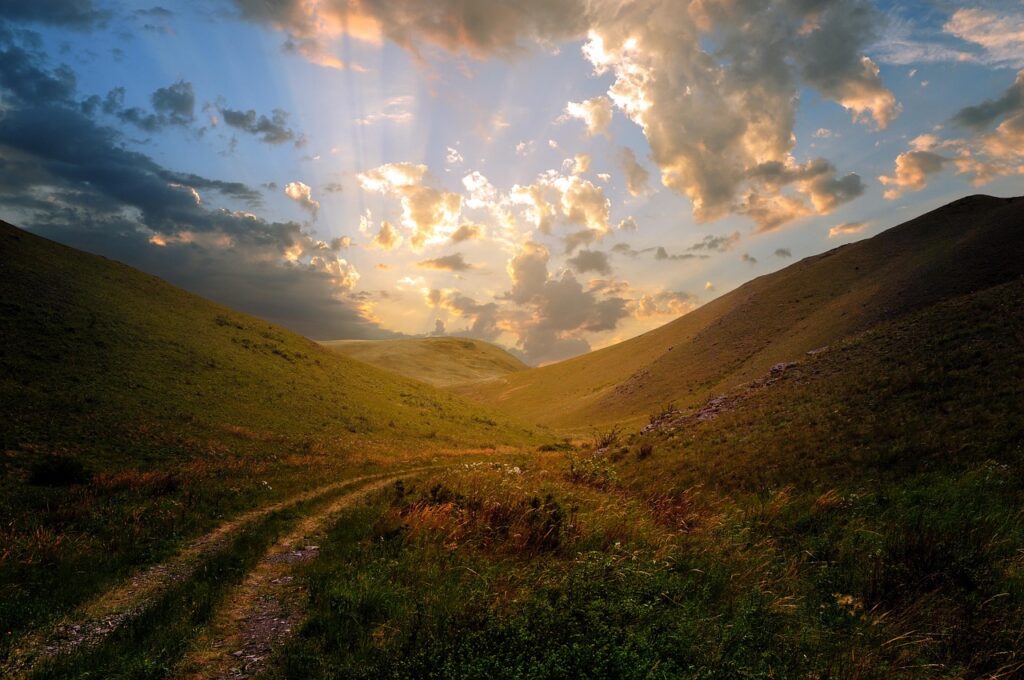
على الرغم من أن كازاخستان مشهورة بسهوبيها اللامتناهية، إلا أن البلاد تتمتع أيضًا بمناظر جبلية خلابة.
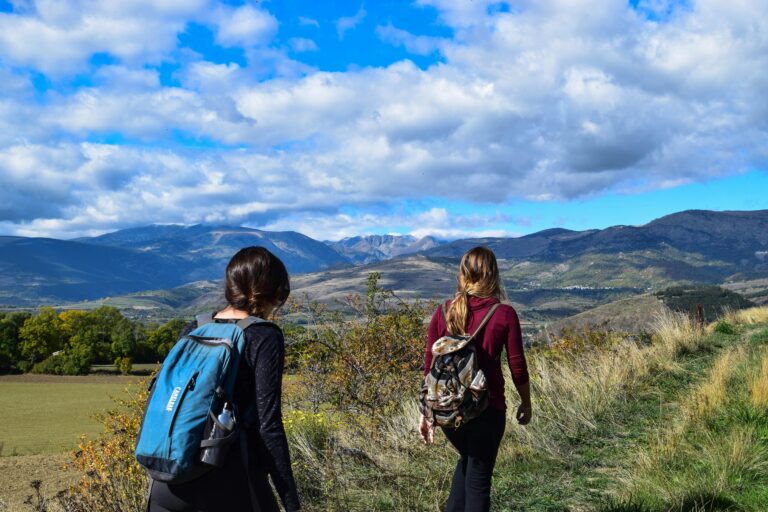
جبال تيان شان بالقرب من ألماتي تقدم فرصًا للمشي لمسافات طويلة والتزلج والبحيرات الجبلية والمنتزهات الوطنية الجميلة. غالبًا ما يُفاجأ عشاق الهواء الطلق بتنوع طبيعة كازاخستان الحقيقي.
7. غالبًا ما يُقارن وادي شارين بـ جراند كانيون
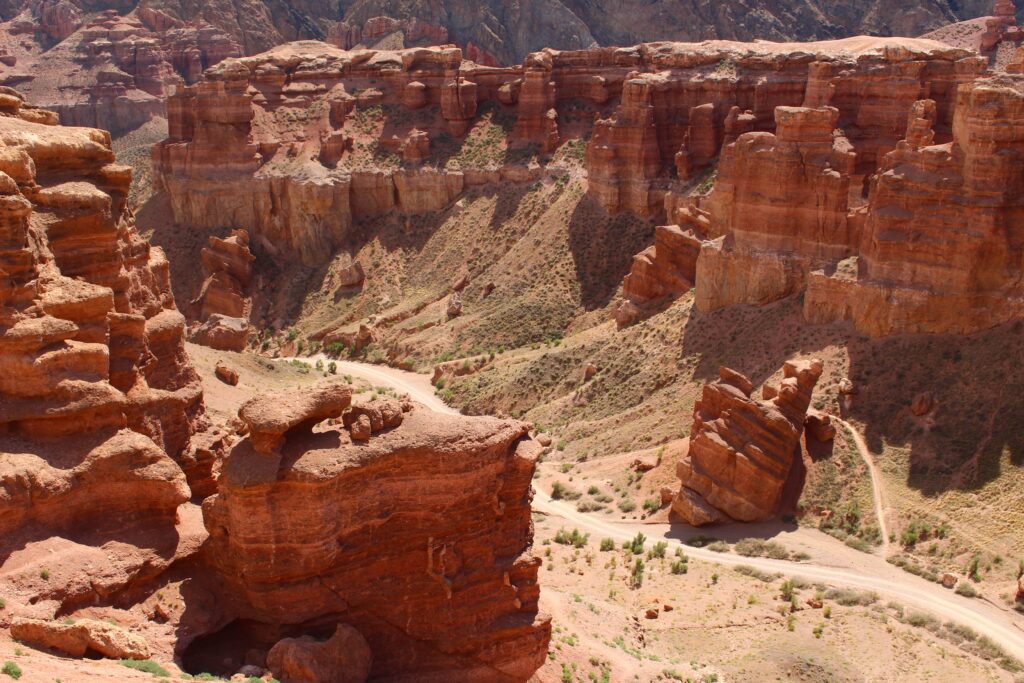
وادي شارين هو واحد من أجمل المعالم الطبيعية في كازاخستان. يقع على بعد بضع ساعات من ألماتي، ويتميز الوادي بتشكيلات صخرية حمراء درامية نحتها الرياح والماء على مدى ملايين السنين.
يقارن العديد من المسافرين بينه وبين جراند كانيون في الولايات المتحدة، على الرغم من أن وادي شارين له جماله وأجواؤه الفريدة الخاصة.
8. كازاخستان لديها عاصمة مستقبلية

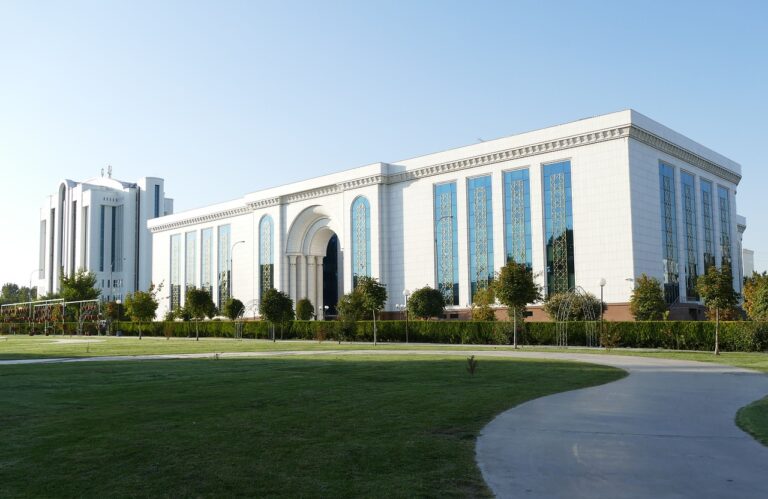
أستانا، عاصمة كازاخستان، مشهورة بهندستها المعمارية المستقبلية وأفقها الحديث.
تضم المدينة مبانٍ غير عادية، وأهرامات زجاجية ضخمة، وأبراج مستقبلية، وتصاميم مبتكرة أنشأها معماريون معروفون دوليًا. تبدو أستانا مختلفة تمامًا عن مدن طريق الحرير التقليدية، مما يجعلها واحدة من أكثر العواصم تميزًا في آسيا الوسطى.
9. كازاخستان موطن أول ميناء فضائي في العالم
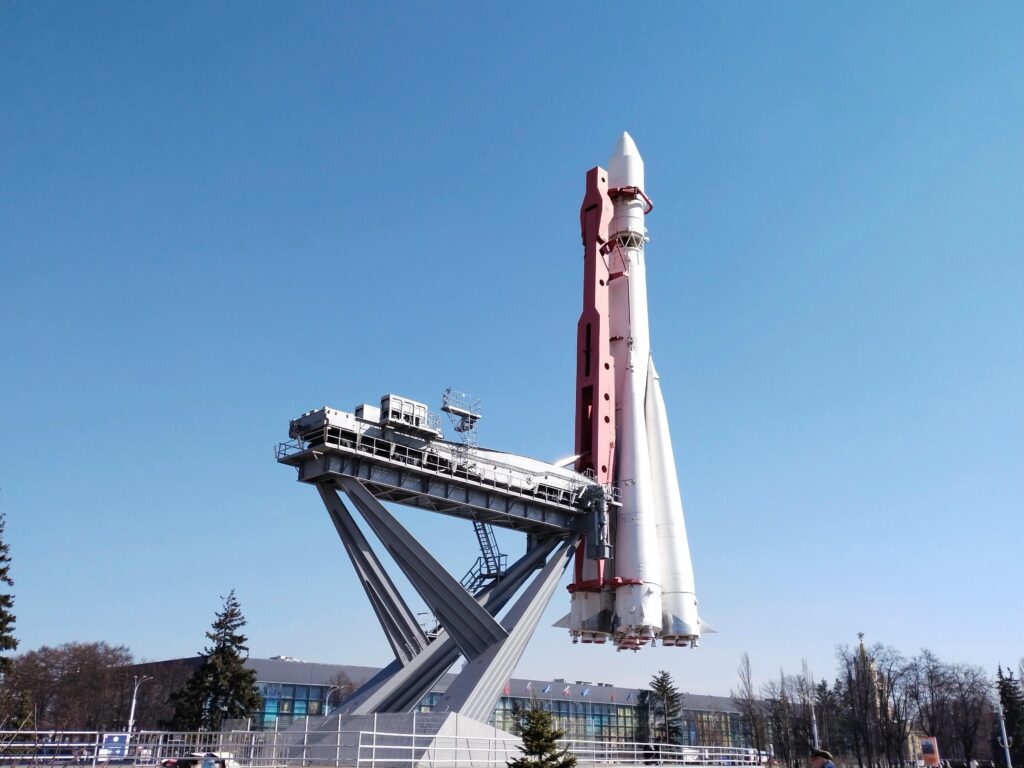
بايكونور كوسمودروم في كازاخستان هو أقدم وأكبر منشأة إطلاق فضائية عاملة في العالم.
من بايكونور أصبح يوري جاجارين أول إنسان في الفضاء عام 1961. وحتى اليوم، تستمر الصواريخ في الإطلاق من كازاخستان إلى محطة الفضاء الدولية.
10. الصيد بالصقور لا يزال يمارس
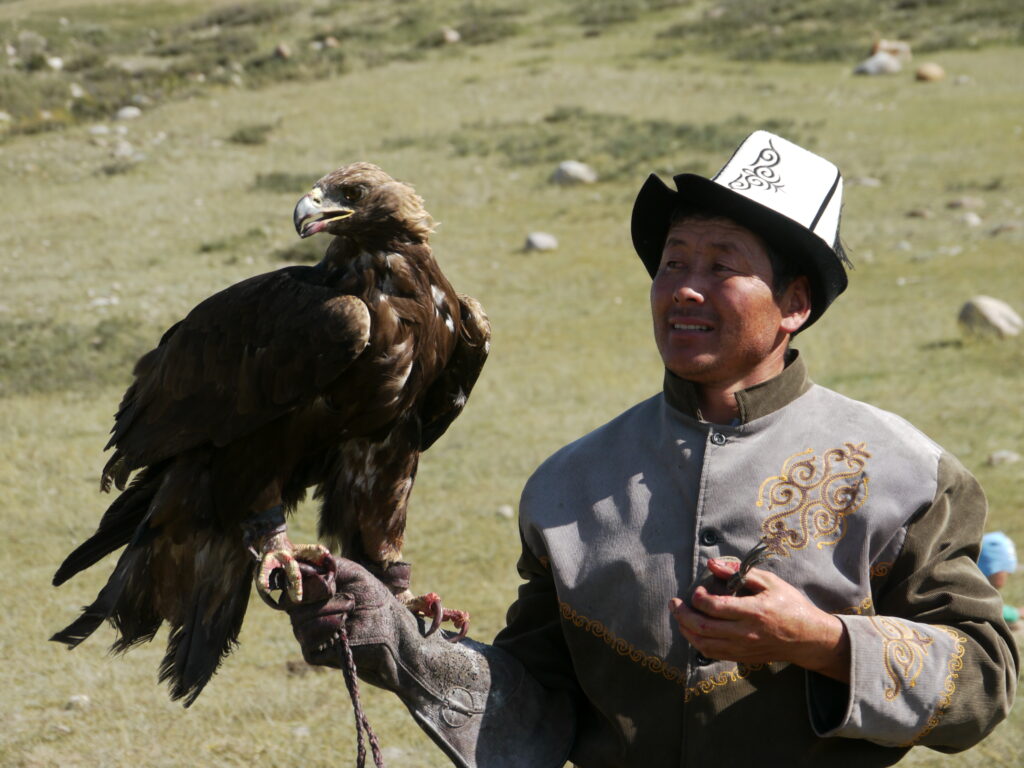
تقليدي صيد النسور تظل جزءًا من الثقافة الكازاخستانية، خاصة في غرب كازاخستان والمناطق المجاورة في آسيا الوسطى.
يدرب الصيادون النسور الذهبية لمساعدتهم في صيد الثعالب والحيوانات الأخرى خلال الشتاء. هذه التقاليد القديمة تم تناقلها عبر الأجيال وتظل رمزًا ثقافيًا مهمًا.
11. كازاخستان تضم أكثر من 100 مجموعة عرقية

كازاخستان هي واحدة من أكثر الدول تعددية الثقافات في آسيا الوسطى. يعيش في البلاد أكثر من 100 مجموعة عرقية، بما في ذلك الكازاخ، الروس، الأوكرانيون، الأوزبك، الألمان، الكوريون، والعديد غيرهم.
لقد أثرت هذه التنوعات على المطبخ واللغات والعمارة والتقاليد في كازاخستان.
12. الشاي شائع للغاية

ثقافة الشاي جزء كبير من الحياة اليومية في كازاخستان. غالبًا ما يُستقبل الضيوف بعدة أكواب من الشاي مصحوبة بالحلوى والخبز والوجبات الخفيفة.
الضيافة مهمة جدًا في الثقافة الكازاخستانية، ويُعتبر تقديم الشاي علامة على الاحترام والصداقة.
13. كازاخستان مشهورة بالضيافة
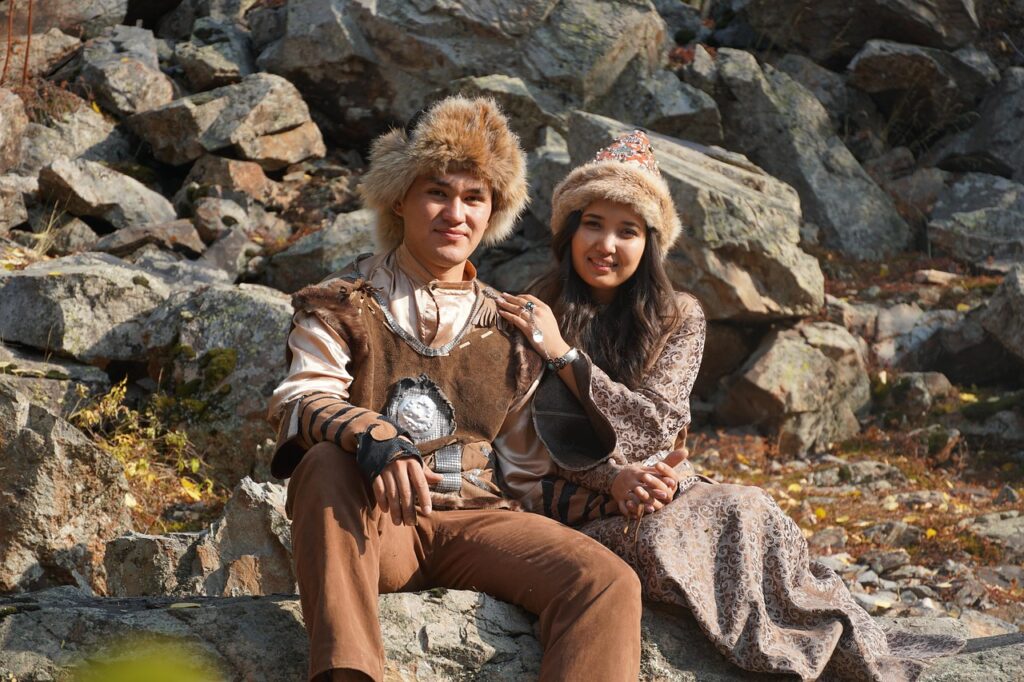
الضيافة هي واحدة من أقوى التقاليد في كازاخستان. غالبًا ما يُفاجأ الزوار بمدى دفء وترحيب السكان المحليين.
تقليديًا، كان المسافرون والضيوف دائمًا ما يُقدم لهم الطعام والمأوى والشاي من قبل العائلات البدوية العابرة للسهوب.
14. الخيام رمز وطني مهم

اليرت هي منازل محمولة تقليدية يستخدمها البدو عبر آسيا الوسطى منذ قرون.
هذه الهياكل المستديرة المغطاة باللباد مصممة لتحمل الرياح القوية والظروف الجوية القاسية. اليوم، لا تزال اليرت تُستخدم خلال المهرجانات والفعاليات الثقافية وفي بعض المناطق الريفية في كازاخستان.
15. الطبق الوطني هو بشبارماك

يُعتبر البشبارماك الطبق الوطني لكازاخستان. عادةً ما يتكون من لحم مسلوق يُقدم فوق نودلز مسطحة مع صلصة البصل.
اسم “بشبارماك” يعني “خمسة أصابع”، لأن الطبق كان يُؤكل تقليديًا باليد.
16. حليب الفرس المخمر مشروب تقليدي
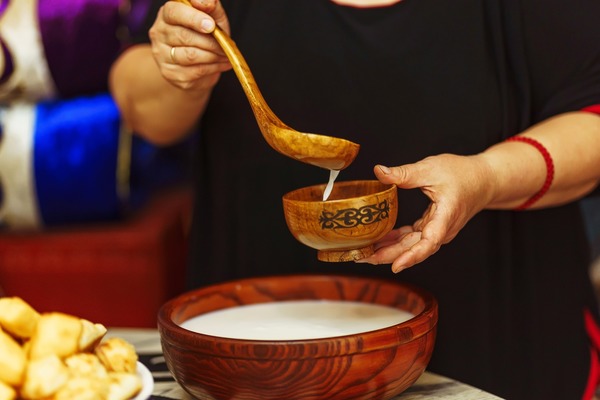
واحدة من الحقائق الغريبة عن السفر في كازاخستان هي أن حليب الفرس المخمر، المسمى الكوميس, هو مشروب تقليدي.
لقد استهلك البدو الكوميس لقرون، ويعتقد الكثير من السكان المحليين أنه له فوائد صحية.
17. كازاخستان بها كثبان رملية تغني
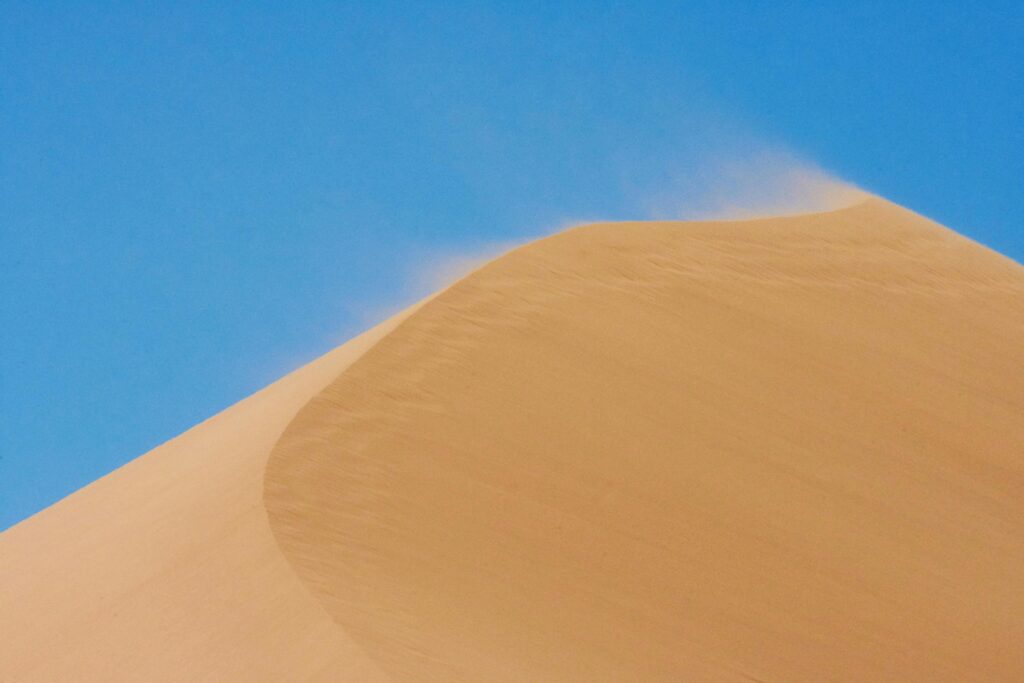
في منتزه ألتين-إميل الوطني, visitors can experience the famous Singing Dune.
عندما تكون الظروف الجوية مناسبة، ينتج الرمل صوتًا عميقًا يشبه الهمهمة يمكن سماعه من بعيد. هذا الظاهرة الطبيعية تجذب المسافرين من جميع أنحاء العالم.
18. النمور الثلجية تعيش في كازاخستان
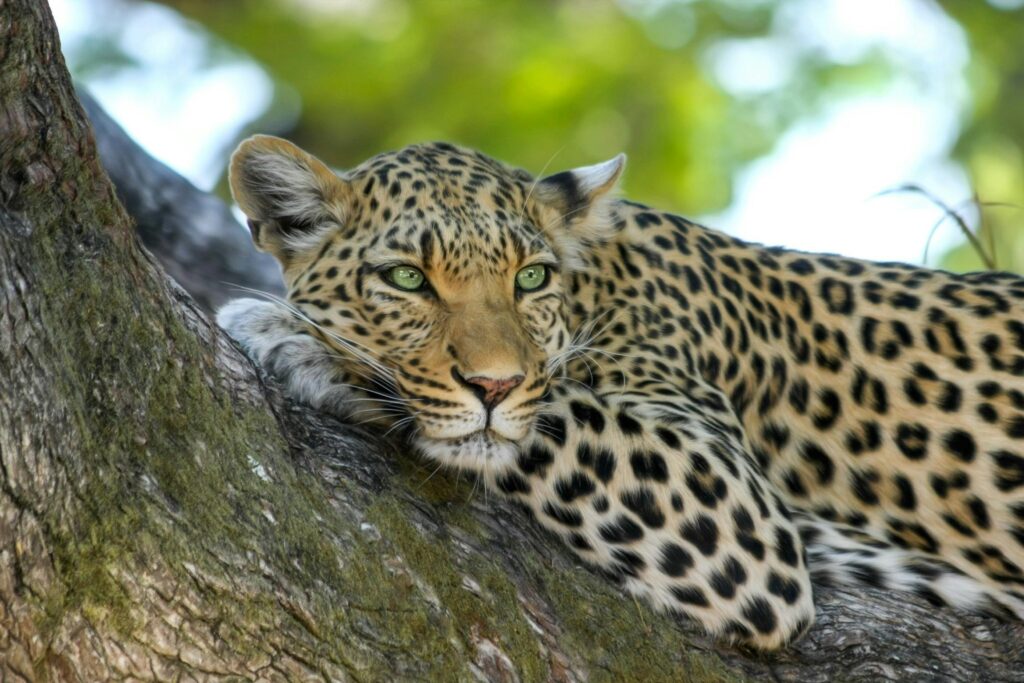
النمر الثلجي النادر، أحد أكثر الحيوانات غموضًا في العالم، يعيش في جبال كازاخستان.
على الرغم من صعوبة رؤيته في البرية، فإن النمر الثلجي رمز مهم للحياة البرية والنظم البيئية الجبلية في البلاد.
19. بحيرة بالكاش نصفها مياه عذبة ونصفها مياه مالحة
بحيرة بالكاش هي واحدة من أكثر البحيرات تميزًا في العالم لأن نصفها يحتوي على مياه عذبة بينما النصف الآخر مالح.
هذه الميزة الطبيعية غير العادية تجعل البحيرة مثيرة للاهتمام علميًا وذات أهمية بيئية.2
20. كازاخستان تخلت عن الأسلحة النووية

بعد انهيار الاتحاد السوفيتي، ورثت كازاخستان واحدة من أكبر الترسانات النووية في العالم.
ومع ذلك، اختارت البلاد لاحقًا التخلي عن أسلحتها النووية وأصبحت داعمًا مهمًا لجهود نزع السلاح النووي.
21. سهوب كازاخستان واحدة من الأكبر في العالم
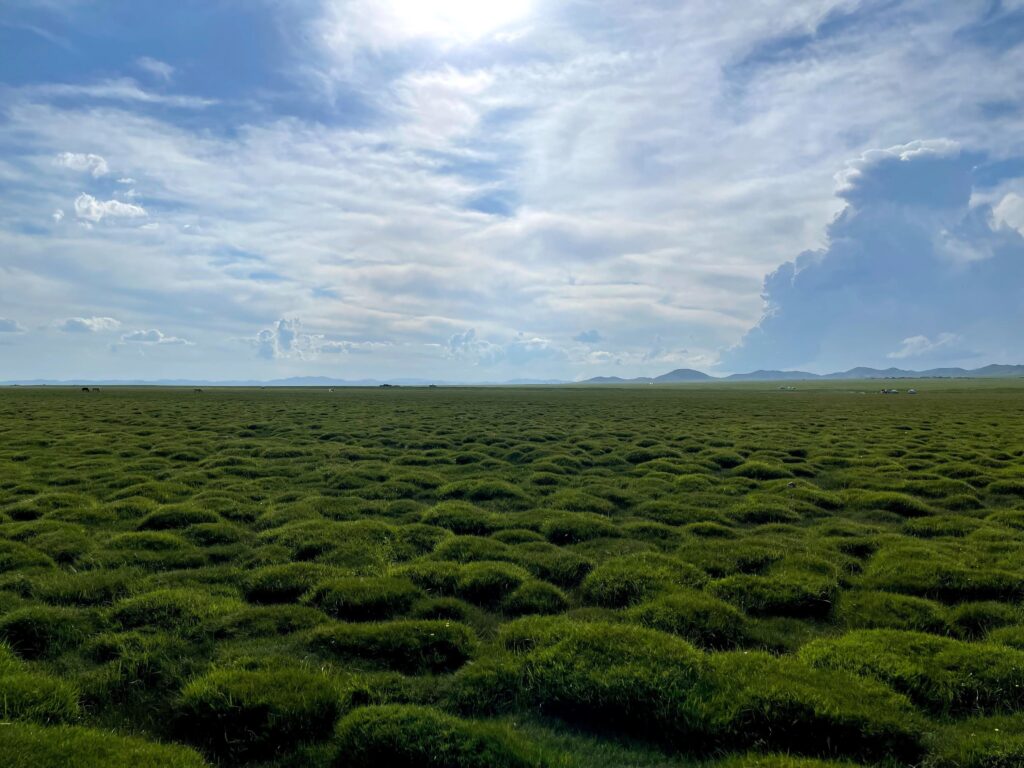
السهوب اللامتناهية في كازاخستان هي جزء من واحدة من أكبر النظم البيئية للسهوب في العالم.
كانت هذه المناظر الطبيعية المفتوحة تدعم أساليب الحياة البدوية وتستمر في تشكيل هوية البلاد اليوم.
22. كازاخستان لديها منتجعات تزلج مذهلة
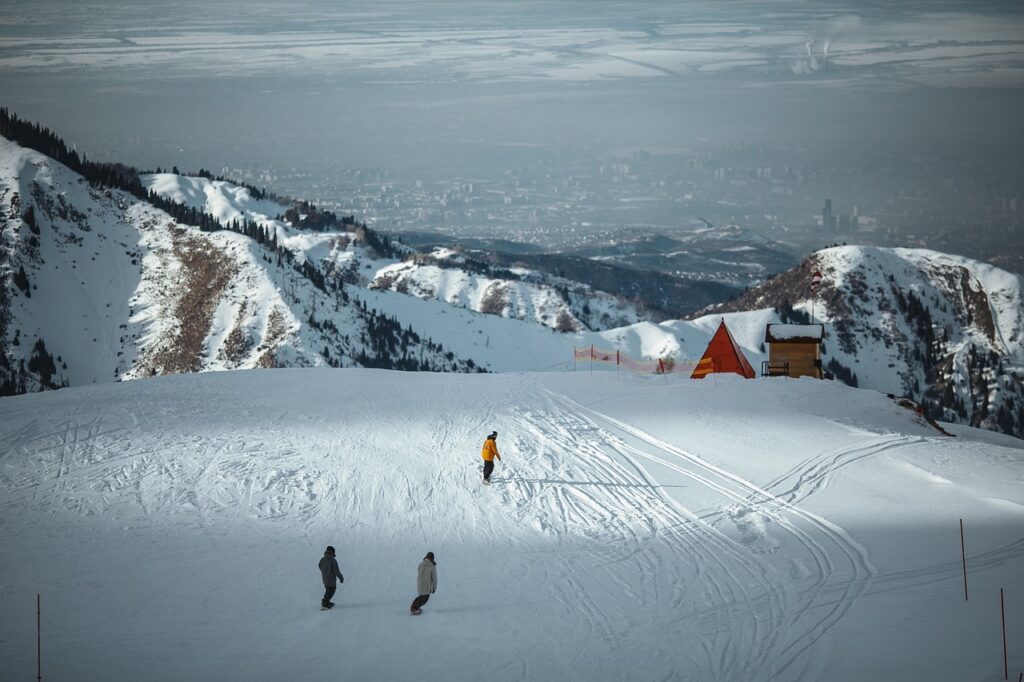
يربط الكثير من الناس آسيا الوسطى بالصحراء والسهوب، لكن كازاخستان لديها أيضًا وجهات ممتازة للرياضات الشتوية.
بالقرب من ألماتي، يمكن للمسافرين العثور على منتجعات تزلج حديثة محاطة بمناظر جبلية درامية.
23. البلاد غنية بالموارد الطبيعية

كازاخستان هي واحدة من أكبر منتجي اليورانيوم في العالم ولديها احتياطيات كبيرة من النفط والغاز والمعادن.
لعبت الموارد الطبيعية دورًا رئيسيًا في التنمية الاقتصادية للبلاد منذ الاستقلال.
24. نوروز هو أحد أكبر الاحتفالات

يُحتفل بنوروز في مارس، وهو علامة على قدوم الربيع ورأس السنة الفارسية.
يحتفل الناس بالموسيقى والألعاب التقليدية والطعام والفعاليات الثقافية في جميع أنحاء كازاخستان.
25. أصبحت كازاخستان مستقلة في 1991
أعلنت كازاخستان استقلالها عن الاتحاد السوفيتي في 16 ديسمبر 1991.
منذ ذلك الحين، تطورت البلاد بسرعة مع الحفاظ على العديد من جوانب تراثها البدوي وتقاليدها.
لماذا تزور كازاخستان؟
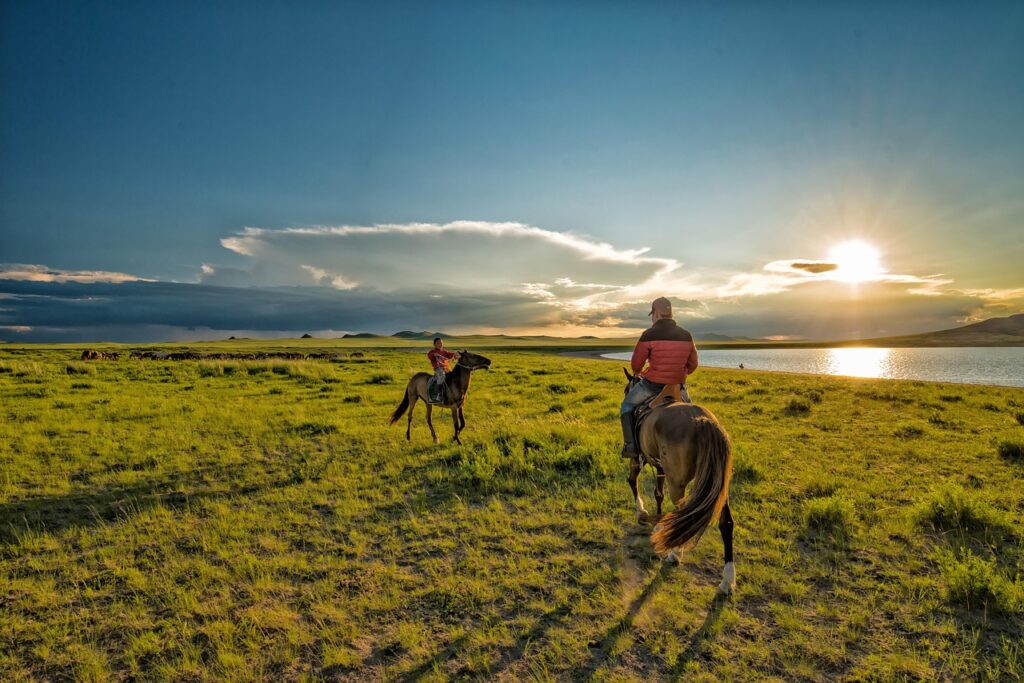
تقدم كازاخستان مزيجًا فريدًا من المغامرة والثقافة والتاريخ والطبيعة. يمكن للمسافرين استكشاف مدن مستقبلية، والمشي عبر المناظر الجبلية، والنوم في اليرت، واكتشاف تاريخ طريق الحرير، وتجربة التقاليد البدوية الأصيلة.
على عكس العديد من الوجهات السياحية المزدحمة، لا تزال كازاخستان تبدو غير ملوثة وأصيلة، مما يجعلها وجهة ممتازة للمسافرين الباحثين عن شيء مختلف.
حقائق سريعة عن كازاخستان
| حقيقة | معلومات |
|---|---|
| العاصمة | أستانا |
| أكبر مدينة | ألماتي |
| عدد السكان | حوالي 20 مليون |
| اللغة | الكازاخية والروسية |
| العملة | تنغي كازاخستاني |
| المنطقة | آسيا الوسطى |
| الاستقلال | 1991 |
| مشهور بـ | الثقافة البدوية، الجبال، السهول، تاريخ طريق الحرير |