Kazakhstan is one of the most fascinating and underrated destinations in Central Asia. Known for its vast steppes, nomadic traditions, futuristic cities, and breathtaking natural landscapes, the country offers far more than many travelers expect. From eagle hunters and ancient Silk Road history to space launches and singing sand dunes, countless fun facts about Kazakhstan make it truly unique.
Whether you are planning a trip or simply curious about this enormous country, these interesting facts about Kazakhstan will help you discover why it deserves a place on every traveler’s bucket list.
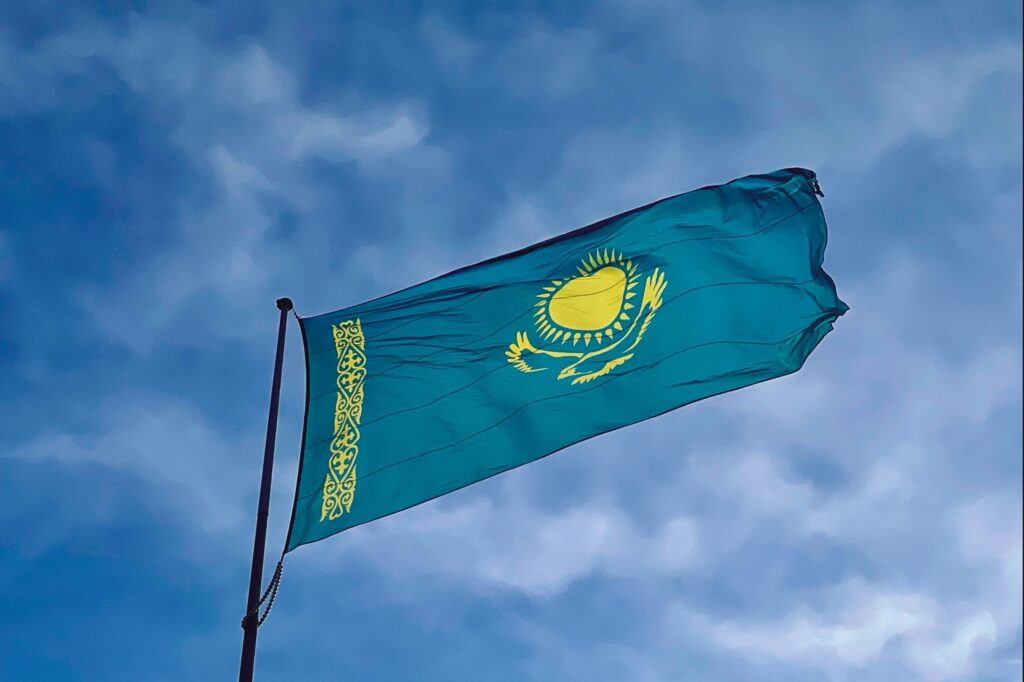
1. Kazakhstan Is the World’s Largest Landlocked Country
One of the most surprising Kazakhstan facts is that it is the largest landlocked country on Earth. Despite having no direct access to an ocean, Kazakhstan covers an enormous territory of more than 2.7 million square kilometers.
The country stretches across Central Asia and even a small part of Eastern Europe. Because of its size, Kazakhstan has an incredible diversity of landscapes, from deserts and canyons to alpine lakes and snowy mountains.
2. Kazakhstan Is Bigger Than Western Europe
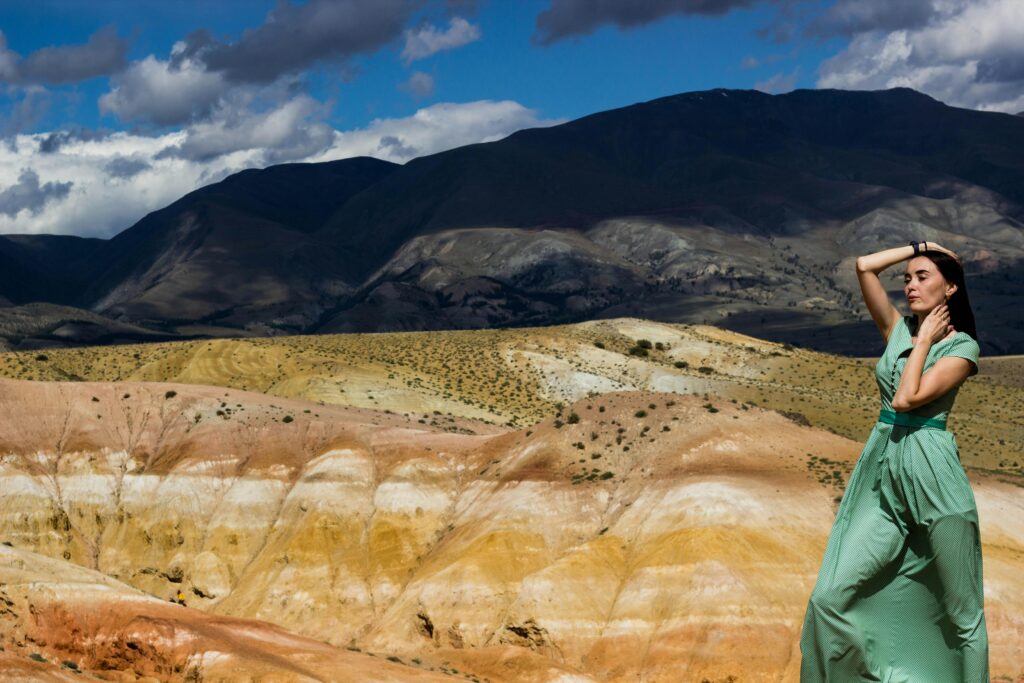
Many people do not realize just how massive Kazakhstan is. It is larger than countries like France, Germany, Spain, Italy, and the United Kingdom combined.
Traveling across Kazakhstan can take days due to the huge distances between cities and regions. This vast territory gives the country endless open spaces and some of the least crowded natural destinations in the world.
3. Horses Are Deeply Connected to Kazakh Culture
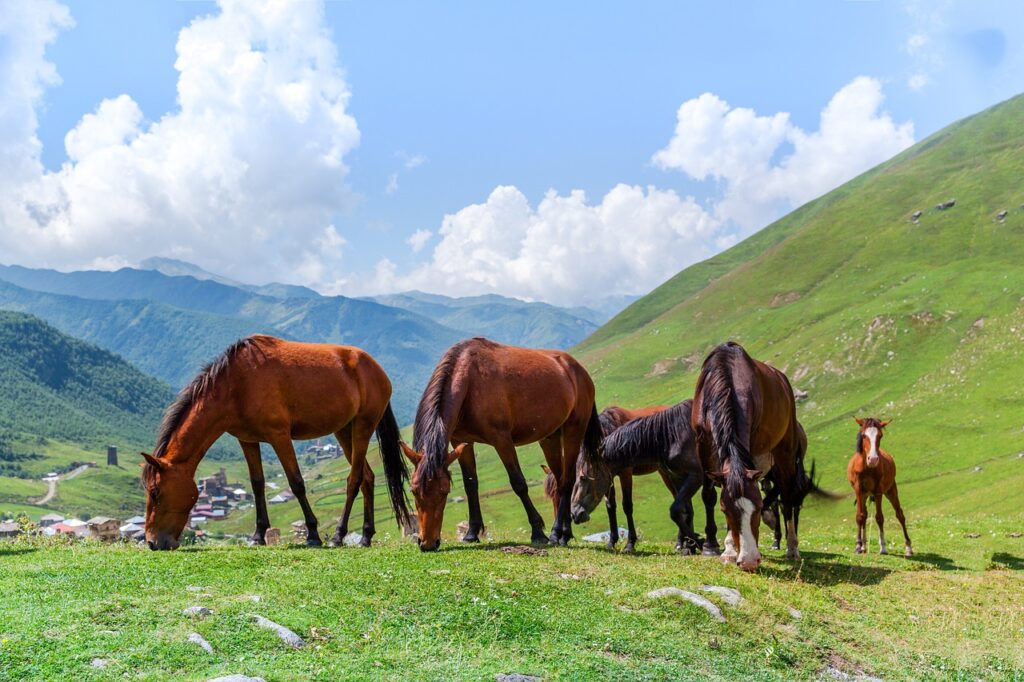
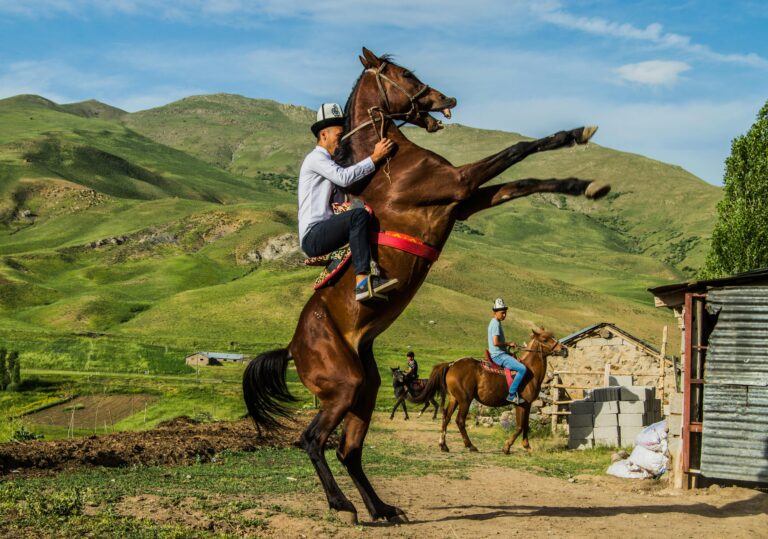
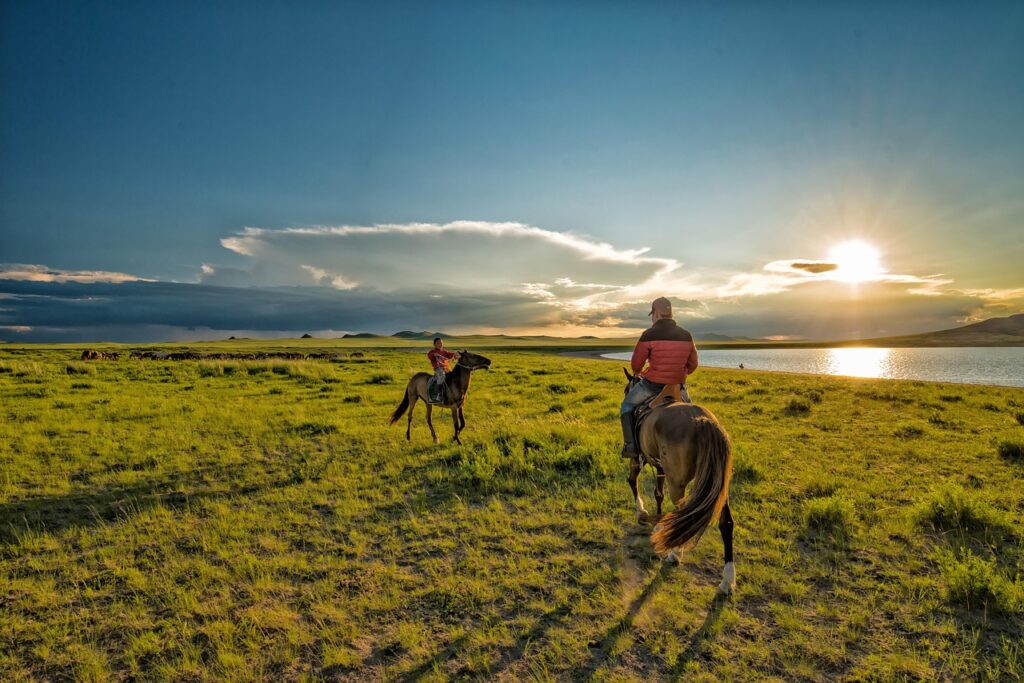
Horses have played a major role in Kazakh nomadic life for centuries. Historically, Kazakh people traveled across the steppe on horseback and depended on horses for transportation, trade, and survival.
Even today, horses remain an important symbol of freedom and national identity in Kazakhstan. Traditional horse games and festivals are still celebrated in many rural areas.
4. Wild Apples Originated in Kazakhstan
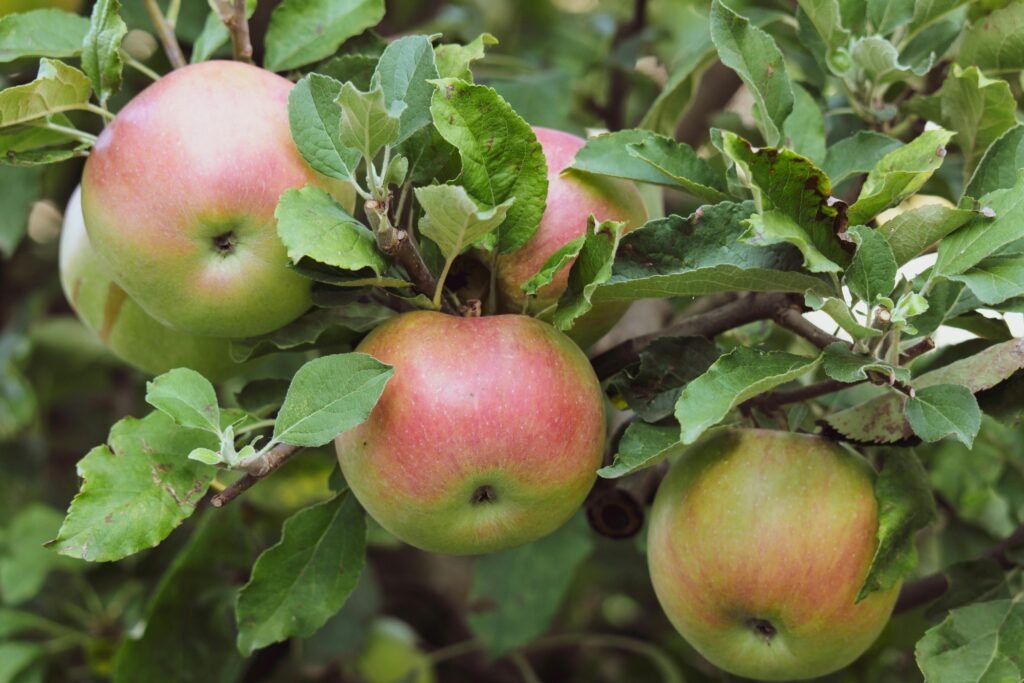
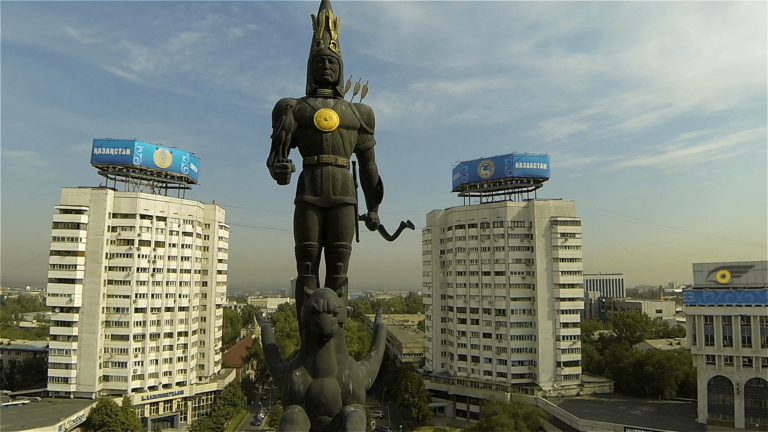
One of the most interesting facts about Kazakhstan is that wild apples are believed to have originated near Almaty. In fact, the city’s name is closely connected to apples.
The wild apple species Malus sieversii, found in the mountains around Almaty, is considered an ancestor of many modern apples eaten around the world today.
5. Kazakhstan Was Part of the Ancient Silk Road

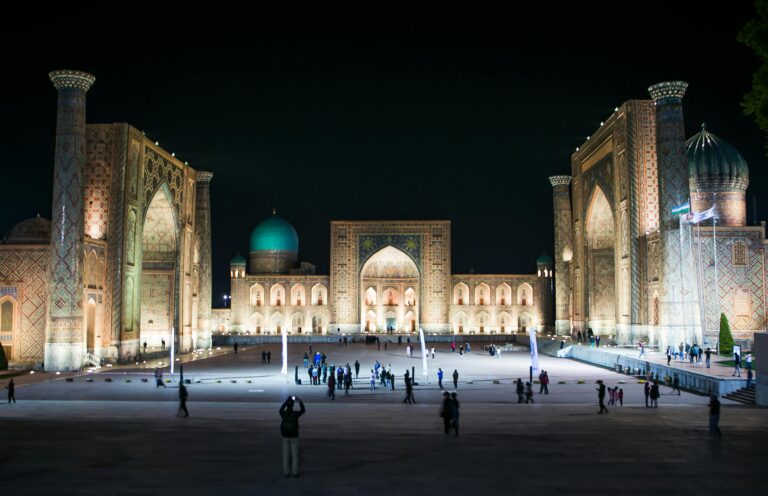
For centuries, Kazakhstan played an important role in the Silk Road trade routes connecting China, the Middle East, and Europe.
Ancient merchants crossed Kazakhstan’s steppes carrying silk, spices, tea, and precious goods. Today, travelers can still explore Silk Road cities, mausoleums, and caravan routes throughout the country.
6. The Country Has Incredible Mountain Landscapes
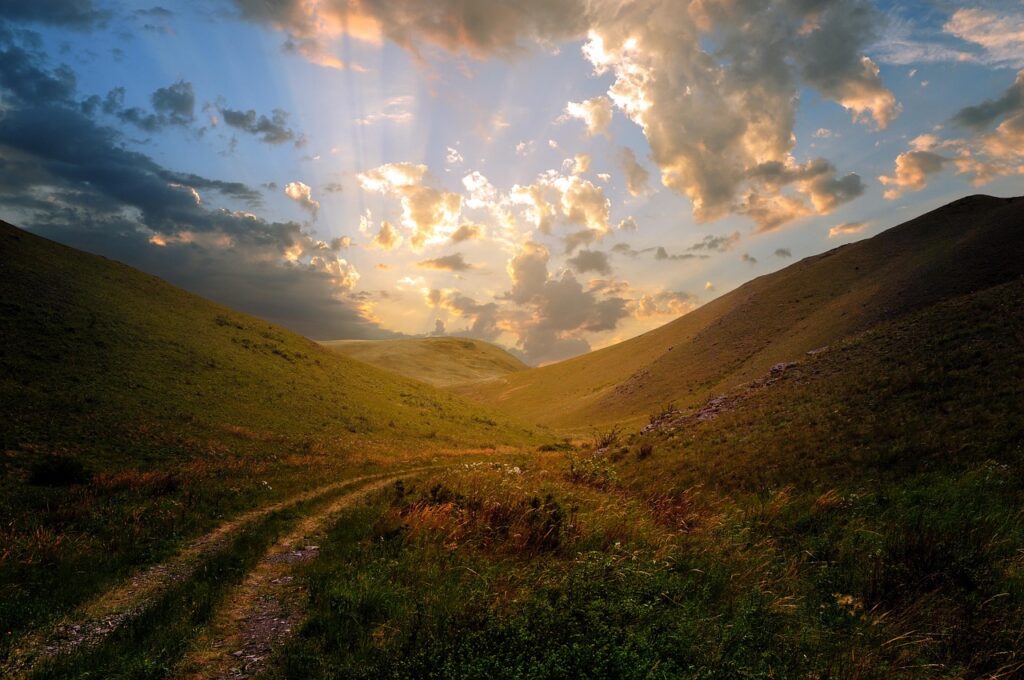
Although Kazakhstan is famous for its endless steppes, the country also has spectacular mountain scenery.
The Tian Shan Mountains near Almaty offer hiking, skiing, alpine lakes, and beautiful national parks. Outdoor enthusiasts are often surprised by how diverse Kazakhstan’s nature really is.
7. Charyn Canyon Is Often Compared to the Grand Canyon
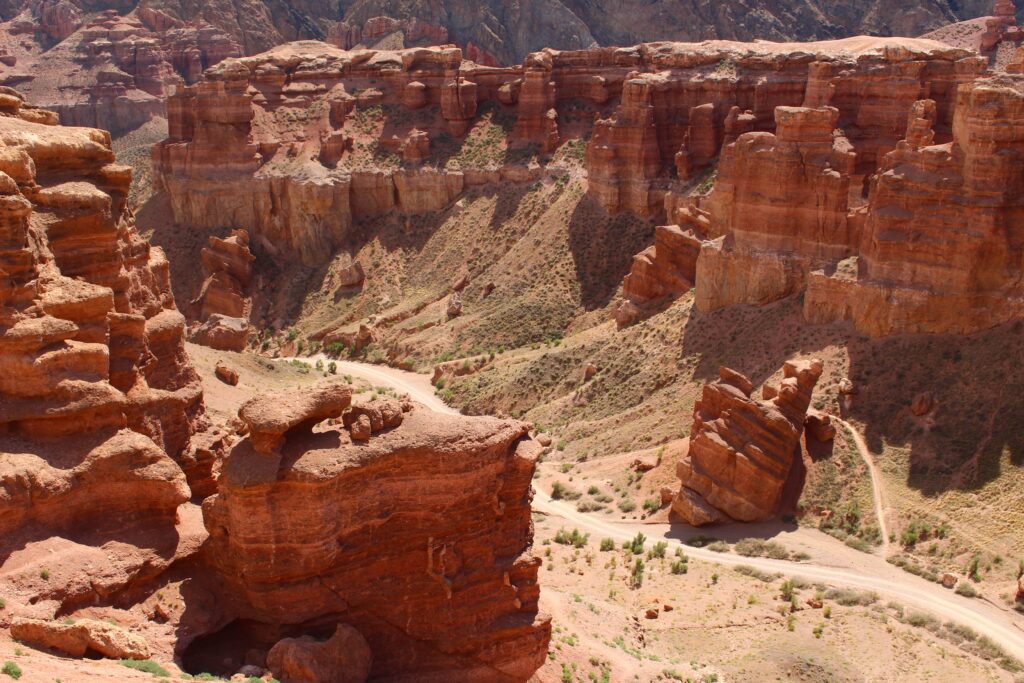
Charyn Canyon is one of Kazakhstan’s most stunning natural attractions. Located a few hours from Almaty, the canyon features dramatic red rock formations carved by wind and water over millions of years.
Many travelers compare it to the Grand Canyon in the United States, although Charyn Canyon has its own unique beauty and atmosphere.
8. Kazakhstan Has a Futuristic Capital City

Astana, the capital of Kazakhstan, is famous for its futuristic architecture and modern skyline.
The city features unusual buildings, giant glass pyramids, futuristic towers, and innovative designs created by internationally known architects. Astana looks very different from traditional Silk Road cities, making it one of the most unique capitals in Central Asia.
9. Kazakhstan Is Home to the World’s First Spaceport
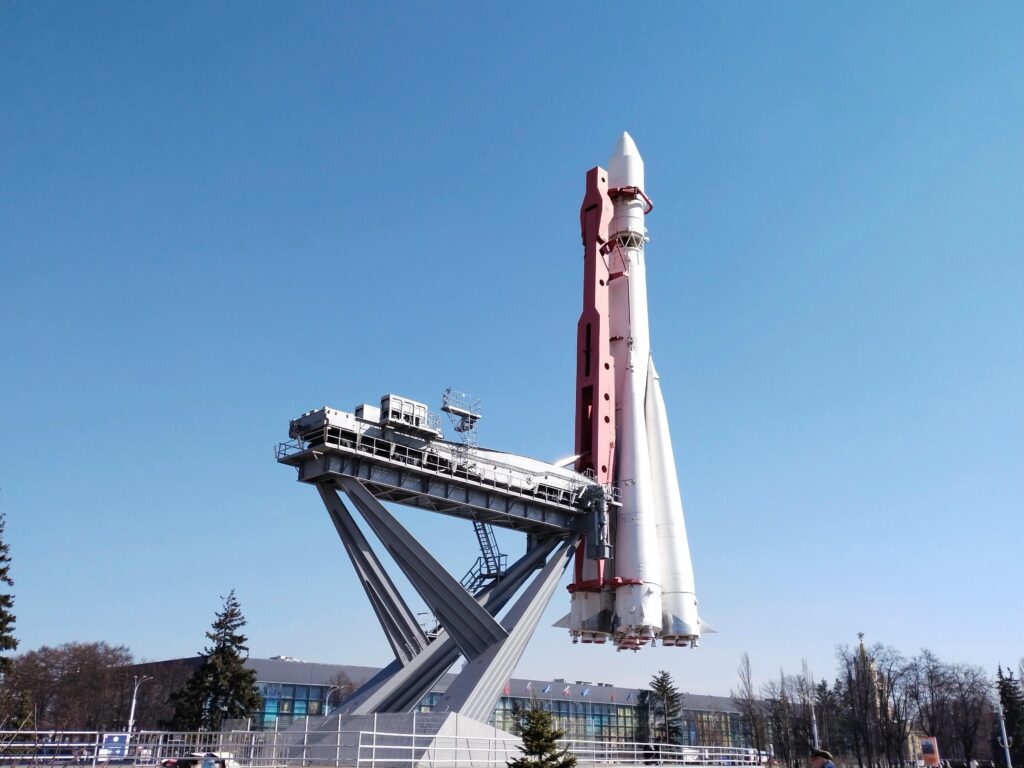
The Baikonur Cosmodrome in Kazakhstan is the world’s oldest and largest operational space launch facility.
It was from Baikonur that Yuri Gagarin became the first human in space in 1961. Even today, rockets continue launching from Kazakhstan to the International Space Station.
10. Eagle Hunting Is Still Practiced
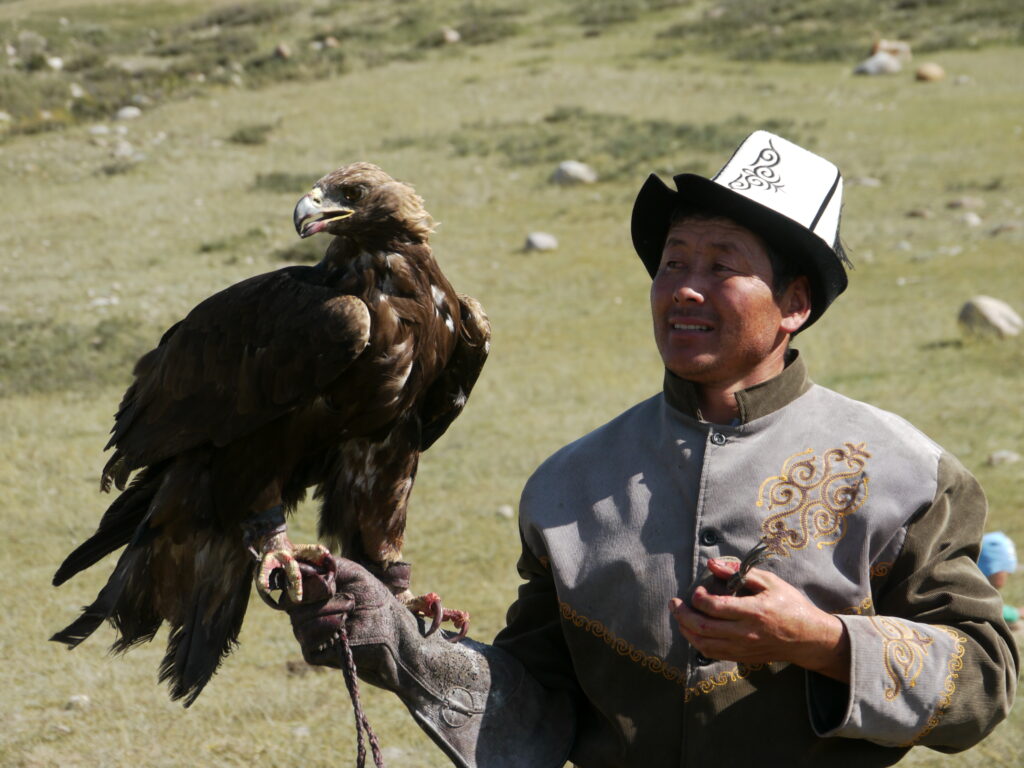
Traditional eagle hunting remains part of Kazakh culture, especially in western Kazakhstan and neighboring regions of Central Asia.
Hunters train golden eagles to help catch foxes and other animals during winter. This ancient tradition has been passed down for generations and remains an important cultural symbol.
11. Kazakhstan Has More Than 100 Ethnic Groups

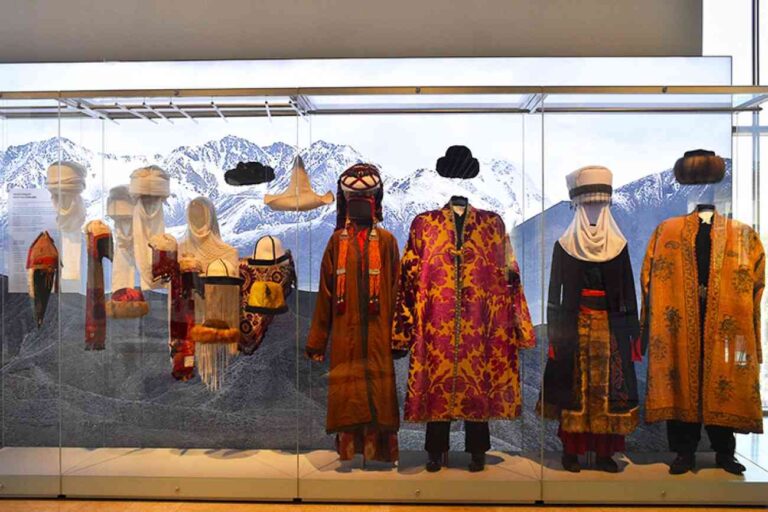
Kazakhstan is one of the most multicultural countries in Central Asia. More than 100 ethnic groups live in the country, including Kazakhs, Russians, Ukrainians, Uzbeks, Germans, Koreans, and many others.
This diversity has influenced Kazakhstan’s cuisine, languages, architecture, and traditions.
12. Tea Is Extremely Popular

Tea culture is a huge part of daily life in Kazakhstan. Guests are often welcomed with several cups of tea accompanied by sweets, bread, and snacks.
Hospitality is deeply important in Kazakh culture, and offering tea is considered a sign of respect and friendship.
13. Kazakhstan Is Famous for Hospitality
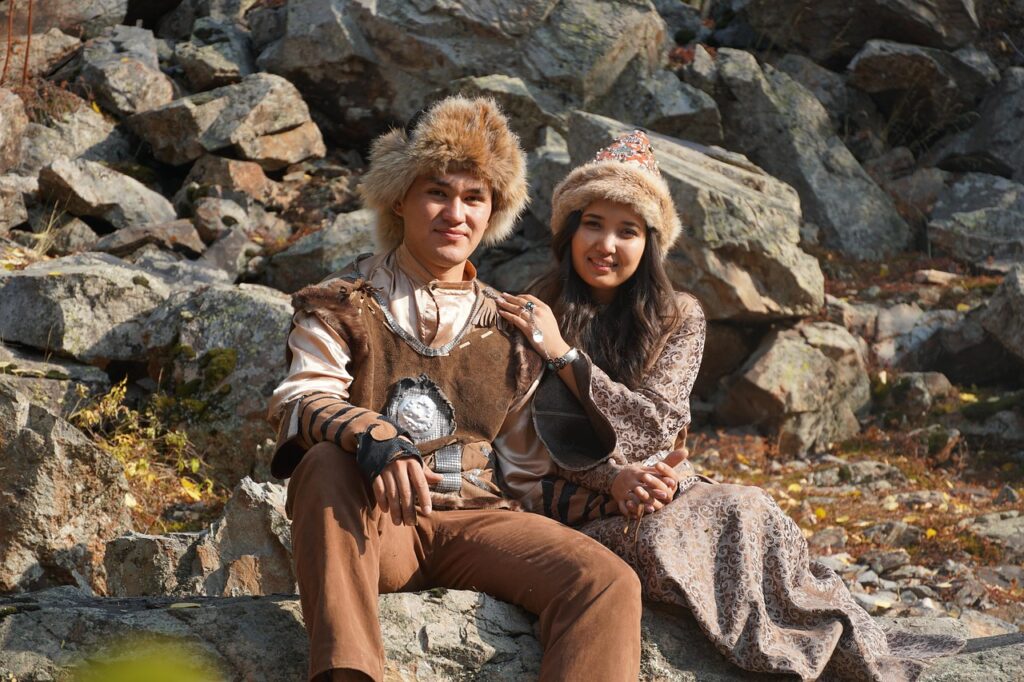
Hospitality is one of the strongest traditions in Kazakhstan. Visitors are often surprised by how warm and welcoming local people can be.
Traditionally, travelers and guests were always offered food, shelter, and tea by nomadic families crossing the steppe.
14. Yurts Are an Important National Symbol

Yurts are traditional portable homes used by nomads across Central Asia for centuries.
These round felt-covered structures are designed to handle strong winds and extreme weather conditions. Today, yurts are still used during festivals, cultural events, and in some rural regions of Kazakhstan.
15. The National Dish Is Beshbarmak
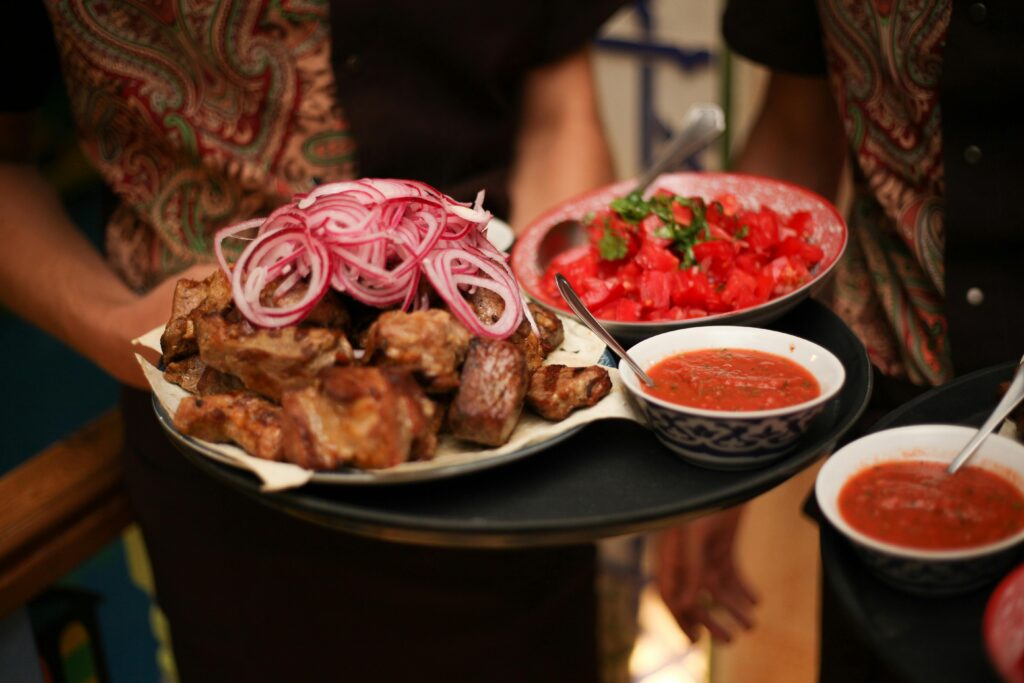
Beshbarmak is considered the national dish of Kazakhstan. It usually consists of boiled meat served over flat noodles with onion sauce.
The name “beshbarmak” means “five fingers,” because traditionally the dish was eaten by hand.
16. Fermented Mare’s Milk Is a Traditional Drink
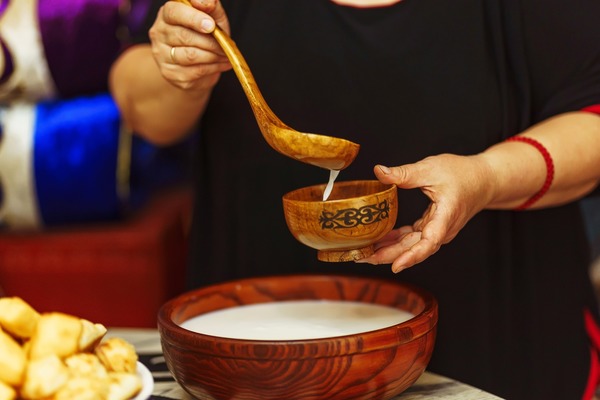
One of the more unusual Kazakhstan travel facts is that fermented mare’s milk, called kumis, is a traditional beverage.
Nomadic people have consumed kumis for centuries, and many locals believe it has health benefits.
17. Kazakhstan Has Singing Sand Dunes
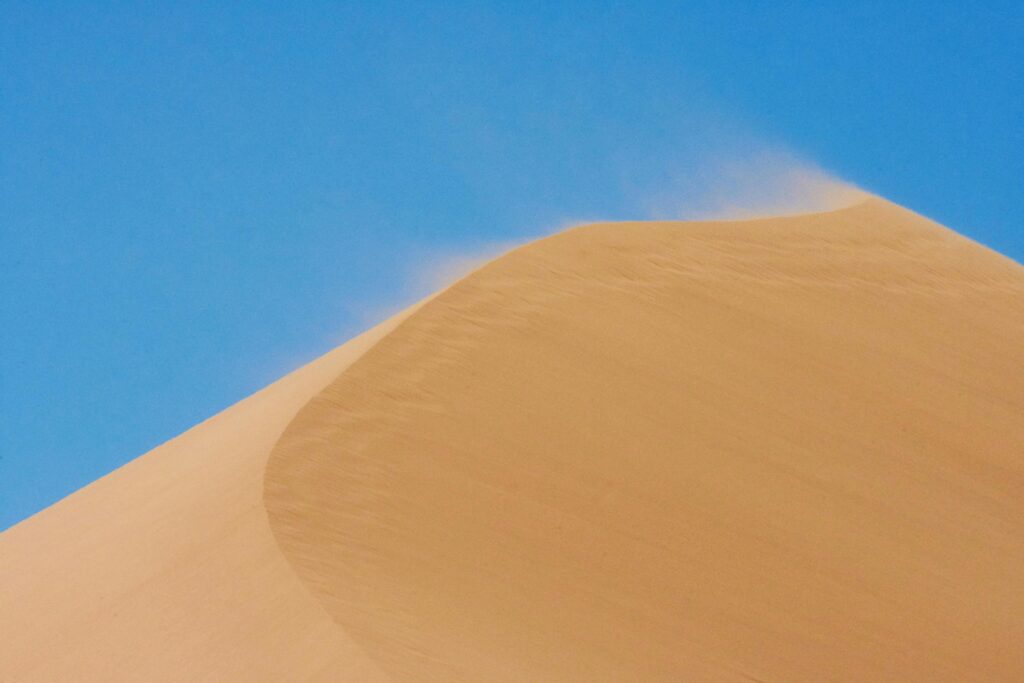
In Altyn-Emel National Park, visitors can experience the famous Singing Dune.
When the weather conditions are right, the sand produces a deep humming sound that can be heard from far away. This natural phenomenon attracts travelers from around the world.
18. Snow Leopards Live in Kazakhstan
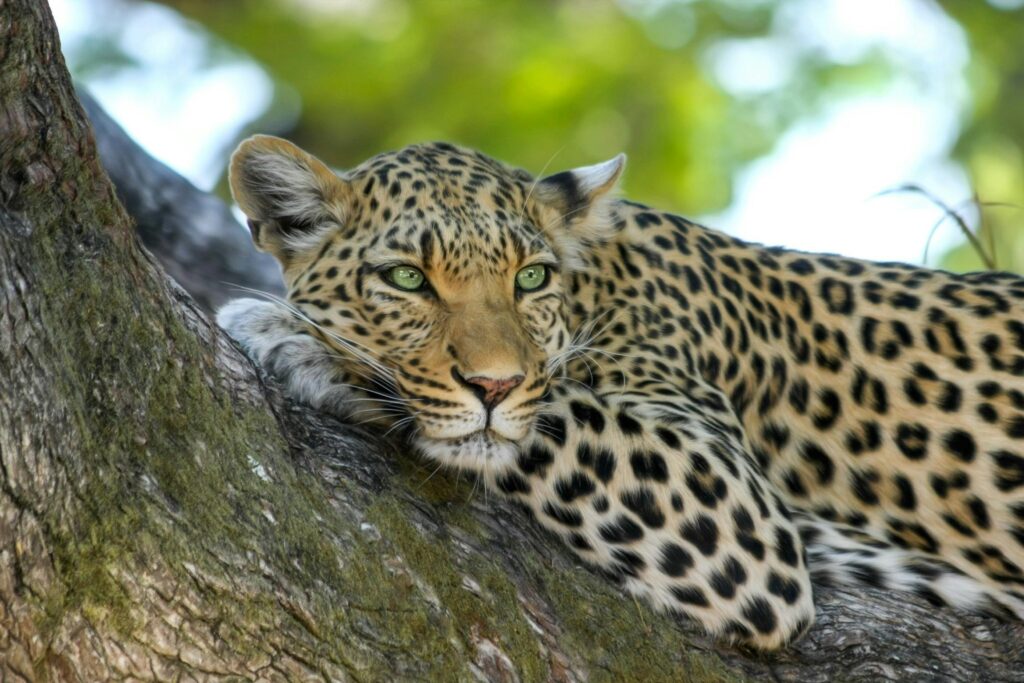
The rare snow leopard, one of the world’s most elusive animals, lives in the mountains of Kazakhstan.
Although difficult to spot in the wild, snow leopards are an important symbol of the country’s wildlife and mountain ecosystems.
19. Lake Balkhash Is Half Freshwater and Half Saltwater

Lake Balkhash is one of the most unique lakes in the world because one half contains freshwater while the other half is salty.
This unusual natural feature makes the lake scientifically fascinating and environmentally important.2
20. Kazakhstan Gave Up Nuclear Weapons

After the collapse of the Soviet Union, Kazakhstan inherited one of the world’s largest nuclear arsenals.
However, the country later chose to give up its nuclear weapons and became an important supporter of nuclear disarmament efforts.
21. The Kazakh Steppe Is One of the Largest in the World
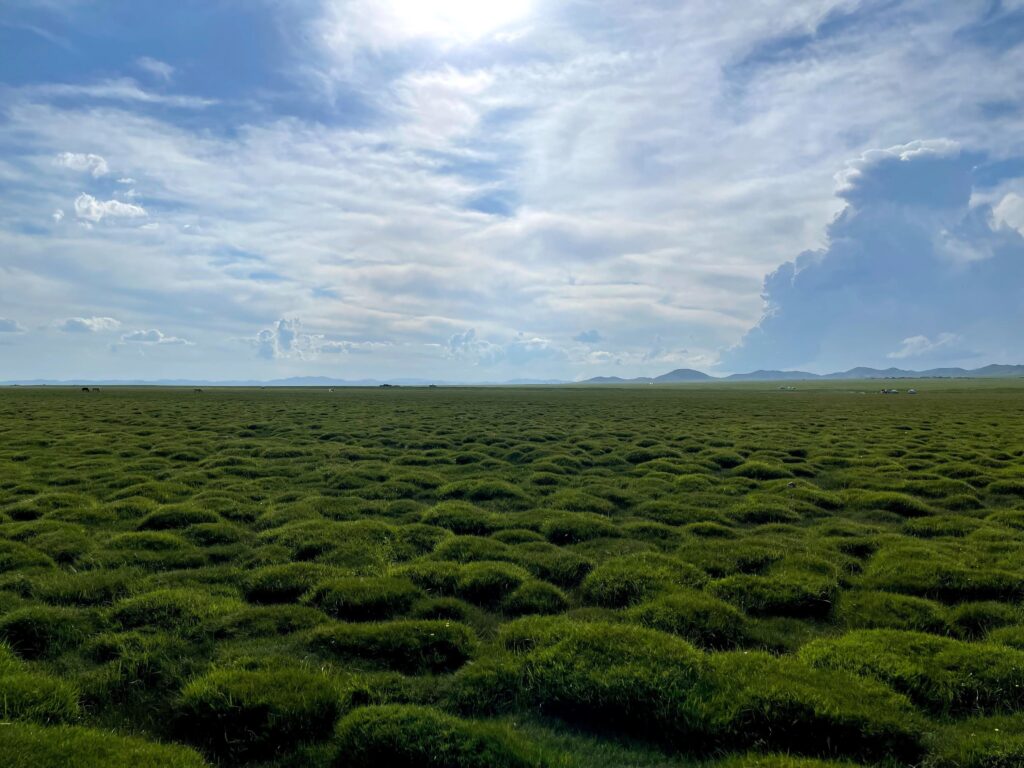
The endless grasslands of Kazakhstan are part of one of the world’s largest steppe ecosystems.
These open landscapes once supported nomadic lifestyles and continue to shape the country’s identity today.
22. Kazakhstan Has Amazing Ski Resorts
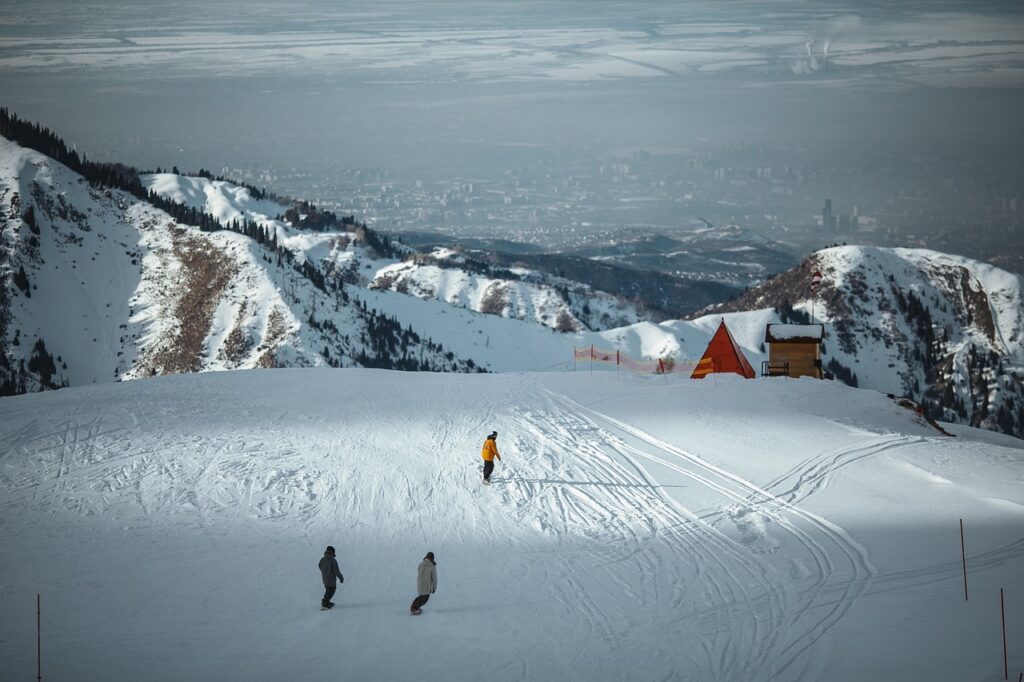
Many people associate Central Asia with deserts and steppes, but Kazakhstan also has excellent winter sports destinations.
Near Almaty, travelers can find modern ski resorts surrounded by dramatic mountain scenery.
23. The Country Is Rich in Natural Resources

Kazakhstan is one of the world’s leading producers of uranium and has large reserves of oil, gas, and minerals.
Natural resources have played a major role in the country’s economic development since independence.
24. Nauryz Is One of the Biggest Celebrations

Nauryz, celebrated in March, marks the arrival of spring and the Persian New Year.
People celebrate with music, traditional games, food, and cultural events throughout Kazakhstan.
25. Kazakhstan Became Independent in 1991
Kazakhstan declared independence from the Soviet Union on December 16, 1991.
Since then, the country has rapidly developed while preserving many aspects of its nomadic heritage and traditions.
Why Visit Kazakhstan?
Kazakhstan offers a unique combination of adventure, culture, history, and nature. Travelers can explore futuristic cities, hike through mountain landscapes, sleep in yurts, discover Silk Road history, and experience authentic nomadic traditions.
Unlike many crowded tourist destinations, Kazakhstan still feels untouched and authentic, making it an excellent destination for travelers seeking something different.
Quick Facts About Kazakhstan
| Fact | Information |
|---|---|
| Capital | Astana |
| Largest City | Almaty |
| Population | About 20 million |
| Language | Kazakh and Russian |
| Currency | Kazakhstani Tenge |
| Region | Central Asia |
| Independence | 1991 |
| Famous For | Nomadic culture, mountains, steppes, Silk Road history |