If you are planning an Uzbekistan tour package, exploring the country’s rich handicraft traditions should be just as important as visiting its famous Silk Road cities. Among Uzbekistan’s most treasured cultural symbols is the traditional pchak knife, a handcrafted blade that has been produced by master artisans for centuries. More than just a tool, the Uzbek knife represents history, craftsmanship, and national identity.
From the bustling workshops of Chust to the artisan families of the Fergana Valley, traditional knife-making remains one of the most fascinating cultural experiences travelers can enjoy in Uzbekistan. Whether you are a collector, a history enthusiast, or simply looking for a unique souvenir, discovering the world of Uzbekistan knives offers a deeper understanding of the country’s heritage.
What Are Uzbekistan Knives?
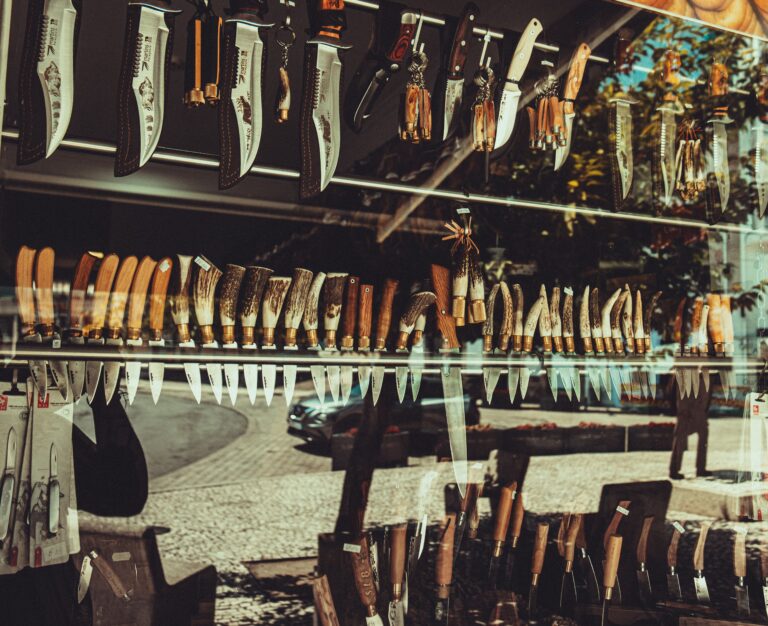
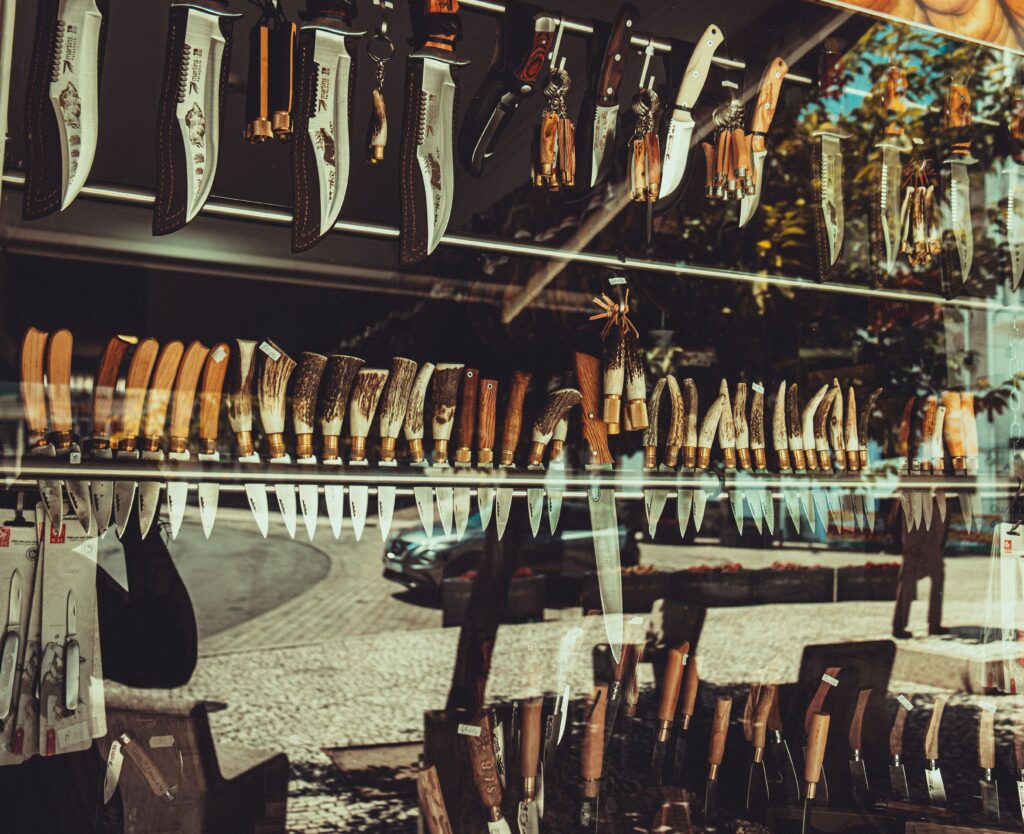
The traditional Uzbek knife, commonly known as a pchak or pichoq, is one of the oldest and most recognizable handicrafts in Central Asia. Characterized by its wide blade, curved tip, and beautifully decorated handle, the pchak has served as an essential household tool for generations.
Historically, these knives were used for preparing food, processing meat, agricultural work, and everyday tasks. Today, while they continue to serve practical purposes, many pchak knives are also appreciated as decorative works of art and valuable collectibles.
Unlike mass-produced knives, authentic Uzbek knives are often handcrafted by skilled artisans who have inherited their techniques from previous generations. Each knife carries unique features that reflect the traditions of its maker and the region where it was produced.
The History of Uzbek Pchak Knives
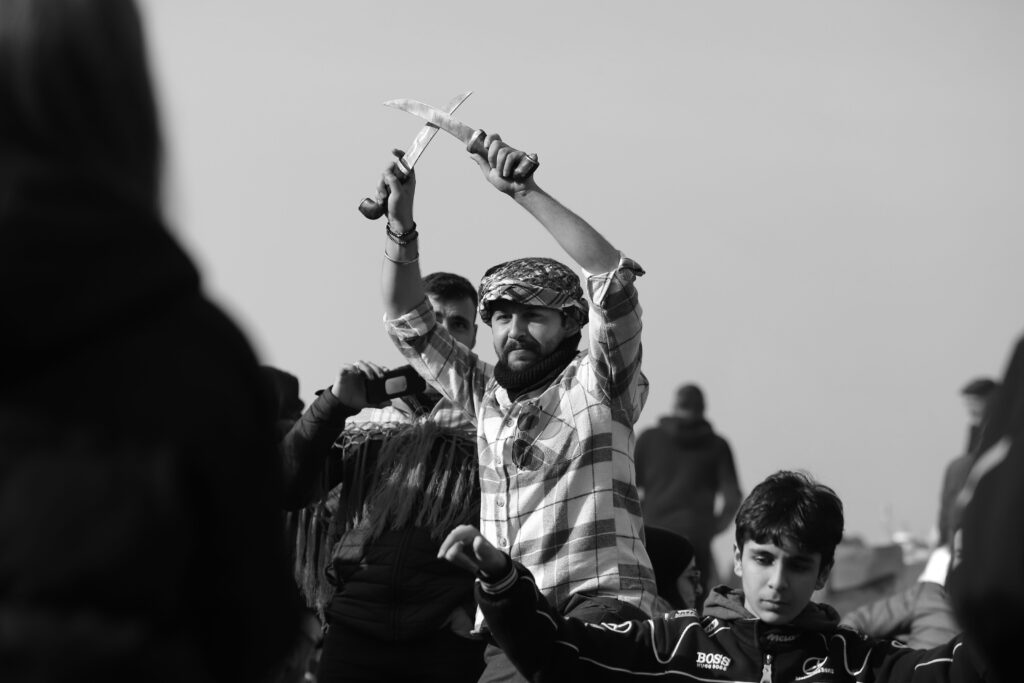
The history of Uzbek knife-making dates back hundreds of years, reaching deep into the era of the Silk Road. As caravans traveled through Central Asia, cities such as Samarkand, Bukhara, Kokand, and Andijan became important centers of trade and craftsmanship.
Metalworking skills developed alongside the flourishing trade routes, and local blacksmiths began producing knives that were both functional and aesthetically pleasing. Over time, distinctive regional styles emerged, with certain towns becoming famous for their craftsmanship.
The Fergana Valley, one of the most fertile and densely populated regions of Central Asia, became particularly renowned for knife-making. Families dedicated themselves to the trade, passing techniques from father to son through generations.
Even during periods of political and economic change, the tradition survived. Today, visitors can still witness artisans forging blades using methods that have changed little over the centuries.
Why Are Chust Knives So Famous?
When discussing Uzbekistan knives, one town stands above all others: Chust.
Located in the Namangan Region of the Fergana Valley, Chust is widely considered the heart of traditional Uzbek knife-making. The town has been producing pchak knives for centuries and is home to some of the country’s most respected craftsmen.
A Chust knife is instantly recognizable thanks to its distinctive shape, exceptional sharpness, and elegant craftsmanship. Many artisans continue to work in family-owned workshops where skills are passed down through multiple generations.
Visitors to Chust often have the opportunity to observe the entire production process, from heating steel in traditional furnaces to engraving intricate decorative patterns on the finished blade.
For travelers interested in authentic cultural experiences, a visit to Chust offers a fascinating glimpse into one of Uzbekistan’s oldest living traditions.
Shahrixon: Another Center of Knife-Making Excellence
While Chust receives most of the attention, the town of Shahrixon in Andijan Region is another important center of Uzbek knife production.
Shahrixon craftsmen are known for producing highly decorative knives featuring detailed engravings, ornate handles, and artistic flourishes. Many collectors specifically seek out knives from this region because of their exceptional craftsmanship.
The workshops of Shahrixon often remain family-operated, preserving techniques that have been refined over centuries. Visitors can meet artisans directly, learn about their craft, and purchase authentic knives directly from the makers themselves.
How Traditional Uzbek Knives Are Made
Creating a traditional pchak knife is a labor-intensive process that requires patience, skill, and years of experience.
Selecting the Steel
The process begins with selecting high-quality steel suitable for forging. Experienced craftsmen carefully choose materials that will provide durability, flexibility, and sharpness.
Forging the Blade
The steel is heated to extremely high temperatures before being hammered into shape. This stage requires tremendous precision and experience.
The blade gradually takes on the characteristic pchak form, with its slightly curved profile and broad cutting surface.
Grinding and Sharpening
After forging, the blade is ground and sharpened. Artisans carefully refine the edge to ensure excellent cutting performance.
Decorative Engraving
Many traditional Uzbek knives feature decorative engravings that showcase the artisan’s creativity. Floral motifs, geometric designs, and cultural symbols are commonly incorporated into the blade.
Handle Construction
The handle may be crafted from wood, horn, bone, or other natural materials. Each handle is carefully shaped, polished, and attached to the blade.
Final Inspection
Before a knife is sold, it undergoes a final inspection to ensure quality and functionality. The result is a handcrafted piece that combines practicality with artistic beauty.
The Cultural Importance of the Pchak
The pchak occupies a special place in Uzbek culture.
For generations, it has been considered a symbol of hospitality, family tradition, and craftsmanship. In many households, a quality knife is regarded as an essential kitchen tool and a source of pride.
Traditionally, knives were often given as gifts during important family celebrations. They represented skill, prosperity, and respect for craftsmanship.
Today, the pchak continues to serve as a powerful symbol of Uzbekistan’s cultural heritage and artisanal traditions.
Why Travelers Buy Uzbek Knives
Many visitors to Uzbekistan choose to bring home a traditional pchak knife as a unique souvenir.
Unlike factory-produced items, each handcrafted knife tells a story. It reflects the skill of the artisan, the history of the region, and the enduring traditions of Central Asia.
Popular reasons travelers purchase Uzbek knives include:
- Authentic cultural significance
- Handmade craftsmanship
- Decorative value
- Practical functionality
- Collector appeal
- Direct support for local artisans
For many visitors, purchasing a pchak becomes one of the most memorable experiences of their journey through Uzbekistan.
Visiting Knife Workshops During Your Uzbekistan Tour
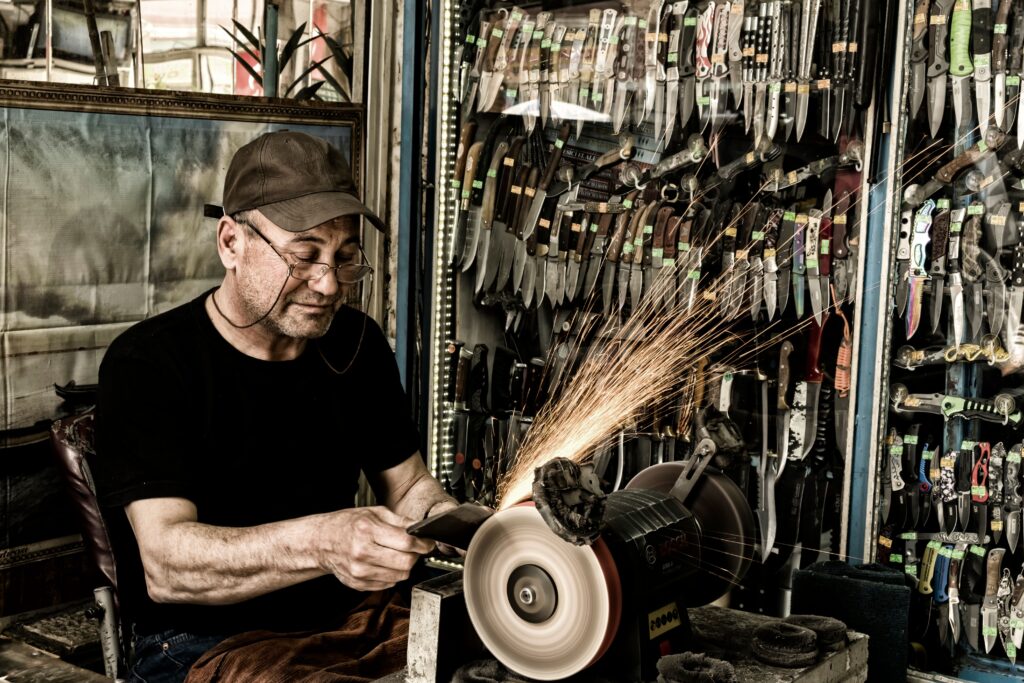
One of the best ways to experience Uzbek craftsmanship is by visiting artisan workshops.
Many cultural tours include excursions to the Fergana Valley, where travelers can meet master craftsmen and observe traditional production methods firsthand.
During a workshop visit, guests can:
- Watch blacksmiths forge blades
- Learn about traditional techniques
- Speak directly with artisans
- Purchase authentic knives
- Photograph the production process
- Explore local handicraft markets
These experiences offer a unique opportunity to connect with local culture beyond the typical tourist attractions.
Best Places to Buy Authentic Uzbek Knives
If you are looking for genuine Uzbekistan knives, several locations stand out:
Chust Workshops
Buying directly from craftsmen ensures authenticity and supports local artisans.
Shahrixon Artisan Centers
Excellent selection of decorative and collector-quality knives.
Fergana Valley Markets
A variety of traditional knives can often be found alongside ceramics, textiles, and other handicrafts.
Craft Centers in Samarkand and Bukhara
Many cultural markets feature authentic knives sourced from the Fergana Valley.
When purchasing, ask about the artisan, materials used, and the origin of the knife.
Can Tourists Bring Uzbek Knives Home?
In most cases, yes.
However, travelers should always check airline and customs regulations before departure.
Generally:
- Knives must be packed in checked baggage.
- Carry-on transportation is usually prohibited.
- Destination-country regulations vary.
- Certain blade sizes may face restrictions.
Many workshops are familiar with international travelers and can guide packaging and transport.
Other Traditional Souvenirs to Buy in Uzbekistan
While knives are among the country’s most famous handicrafts, visitors may also consider:
Ceramics
Especially from Rishtan, famous for its distinctive blue pottery.
Suzani Embroidery
Beautiful handmade suzani textiles featuring traditional Central Asian designs.
Silk Products
The Fergana Valley remains one of the historic centers of silk production.
Wood Carvings
Intricately carved decorative items and furniture.
Miniature Paintings
Detailed artworks inspired by Silk Road history and Islamic architecture.
Combining these handicrafts creates a meaningful collection of memories from Uzbekistan.
Experience Uzbekistan’s Living Heritage
Traditional Uzbek knives are far more than cutting tools. They represent centuries of craftsmanship, family traditions, and cultural pride. Whether forged in the workshops of Chust or decorated by artisans in Shahrixon, every pchak tells a story of Uzbekistan’s remarkable heritage.
For travelers seeking authentic cultural experiences, visiting knife-making workshops offers a rare opportunity to witness living traditions that have survived for generations. Combined with the stunning architecture of Samarkand, the ancient streets of Bukhara, and the vibrant markets of the Fergana Valley, the world of Uzbek knife-making adds an unforgettable dimension to any journey through Central Asia.
If you want to discover the true spirit of the Silk Road, include artisan workshops, handicraft markets, and cultural encounters in your next Uzbekistan travel package and experience one of Central Asia’s most fascinating traditions firsthand.