

Kirghizistan is a hidden gem of Central Asia, where nomadic traditions are still alive and reflected in everyday life. One of the best ways to take a piece of this culture home is through authentic souvenirs, many of which are handmade using techniques passed down for generations. Unlike typical tourist products, Kyrgyz souvenirs are deeply meaningful, practical, and often crafted from natural materials like wool, wood, and silver.
If you’re planning a trip, this guide will help you discover what to buy in Kyrgyzstan, from traditional felt carpets to delicious local food. Below, you’ll find a detailed breakdown of 30+ unique souvenirs, including prices, descriptions, and tips.
Felt Souvenirs (Shyrdak & Handmade Items)
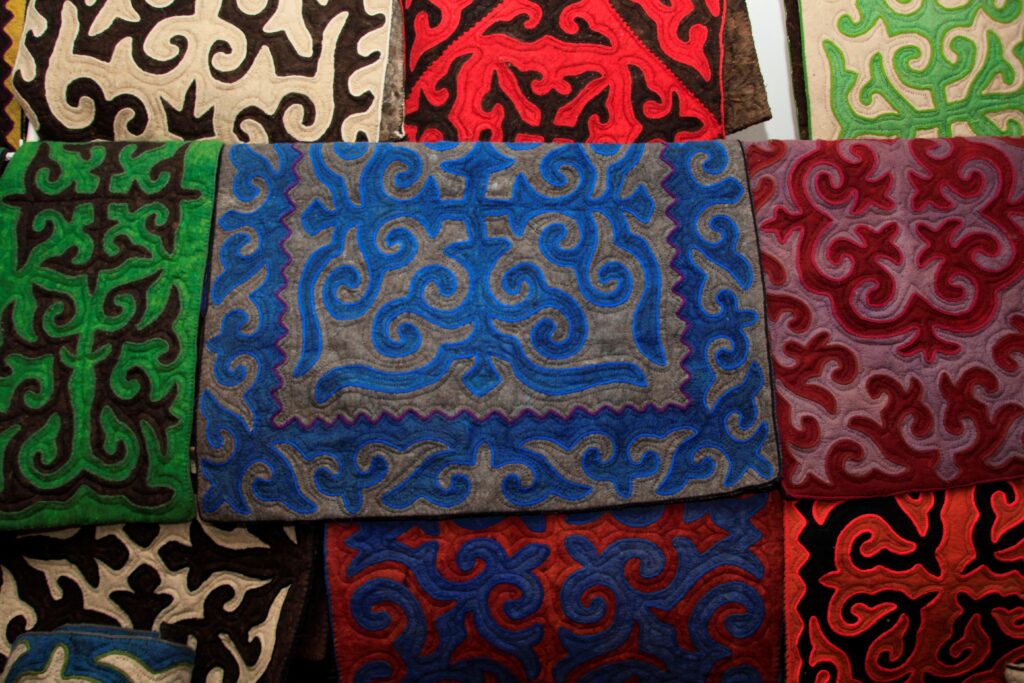
Shyrdak (Felt Carpet)
Shyrdak is one of the most iconic Kyrgyz crafts, handmade from sheep wool using a labor-intensive process. Each carpet features symbolic patterns representing nature, life, and protection. Buying a shyrdak is not just purchasing a souvenir—it’s owning a piece of cultural heritage.
Price: $100–500+
Ala-Kiyiz Felt Rugs
Ala-kiyiz rugs are softer and more colorful compared to shyrdak, made by layering dyed wool. They are slightly more modern in style but still deeply rooted in tradition. These rugs are often used inside yurts and homes across Kyrgyzstan.
Price: $80–300
Felt Slippers
Felt slippers are incredibly warm and comfortable, made from natural wool. They are perfect for colder climates and are often decorated with traditional embroidery. Many travelers buy them as practical souvenirs they can use daily.
Price: $10–25
Felt Bags
These handmade bags combine traditional materials with modern design, making them stylish and functional. They are durable and often feature unique patterns inspired by nomadic art. Each bag is slightly different, adding to its charm.
Price: $15–40
Mini Yurts
Miniature yurts are symbolic souvenirs representing the traditional nomadic home. They are crafted from wood and felt, often with impressive attention to detail. These make excellent decorative pieces or meaningful gifts.
Price: $10–30
Felt Toys
Felt toys are handmade items shaped like animals or traditional characters. They are soft, eco-friendly, and perfect for children or as decorative items. These toys also support local artisans and small businesses.
Price: $5–15
Food Souvenirs from Kyrgyzstan

Kurut (Dried Cheese Balls)
Kurut is a traditional Kyrgyz snack made from fermented milk, shaped into small dried balls. It has a strong salty and slightly sour taste, which may be unusual at first but is very popular among locals. Because it is completely dried, it’s one of the easiest food souvenirs to transport without worrying about spoilage.
Price: $3–5
Mountain Honey
Kyrgyz honey is considered one of the most natural and organic in the world, as bees collect nectar from wild alpine flowers. It often has a rich flavor with herbal notes depending on the region. Many travelers buy it not only as a souvenir but also for its health benefits.
Price: $5–15
Kyrgyz Jams (Apricot, Walnut, Berry)
Local jams are made using traditional recipes, often without artificial preservatives. Walnut jam is particularly unique and has a deep, slightly bitter-sweet flavor that stands out from typical fruit jams. These jars are beautifully packaged and make excellent gifts.
Price: $4–10
Dried Fruits & Nuts
Kyrgyzstan produces high-quality dried fruits thanks to its sunny climate and fertile valleys. Apricots, raisins, and walnuts are especially popular and widely available in markets. They are healthy, lightweight, and easy to pack for travel.
Price: $3–8
Spices & Seasonings
Local spice blends are essential in Kyrgyz cuisine, especially for dishes like plov and lagman. These mixes often include cumin, coriander, and dried herbs that give food a distinctive Central Asian flavor. Buying spices is a great way to recreate Kyrgyz dishes at home.
Price: $2–5
Traditional Sweets (Halva, Chak-Chak)
Kyrgyz sweets are influenced by broader Central Asian and Middle Eastern traditions. Halva is made from seeds or nuts, while chak-chak consists of fried dough pieces covered in honey. These treats are sweet, filling, and widely loved.
Price: $3–7
Wooden Souvenirs
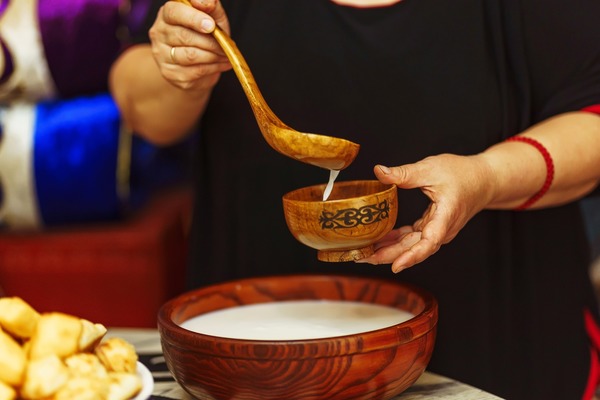
Carved Wooden Bowls
Wooden bowls are traditionally used for serving dishes like beshbarmak. Each bowl is hand-carved, often with subtle decorative details. They are durable and practical, making them both functional and decorative souvenirs.
Price: $10–30
Traditional Ladles
These ladles are used for serving drinks like kumis or soups. They are often carved from a single piece of wood and may include simple ornaments. Despite their simplicity, they reflect traditional craftsmanship.
Price: $5–15
Decorative Wooden Boxes
Wooden boxes are popular for storing jewelry or small items. Many feature carved patterns inspired by Kyrgyz symbols and ornaments. They are lightweight and easy to carry, making them great gifts.
Price: $10–25
Yurt Frame Miniatures
These wooden models replicate the structure of a traditional yurt. They are detailed and educational, showing how nomadic homes are constructed. This makes them both decorative and culturally meaningful.
Price: $15–40
Wooden Chess Sets
Chess is popular in the region, and locally made sets are beautifully crafted. Some feature hand-carved pieces with traditional designs. These sets are both a game and a piece of art.
Price: $20–60
Drinks & Alcoholic Souvenirs

Kumis (Fermented Mare’s Milk)
Kumis is a traditional drink with a slightly sour and fizzy taste. It plays an important role in nomadic culture and is often consumed during summer. However, due to its short shelf life, it is best enjoyed locally rather than taken home.
Price: $2–5
Maksym / Chalap
These are traditional refreshing drinks made from grains or yogurt. They are very popular in summer and sold everywhere in cities. Like kumis, they are best consumed fresh.
Price: $1–3
Kyrgyz Cognac
Kyrgyzstan produces surprisingly good-quality cognac at affordable prices. It is a popular gift among tourists looking for something easy to transport. The taste is smooth and comparable to some European brands.
Price: $10–30
Herbal Teas
Herbal teas are made from wild mountain plants and flowers. They are natural, aromatic, and often used for relaxation or health benefits. Packaging is usually simple but authentic.
Price: $3–10
Textile & Clothing Souvenirs
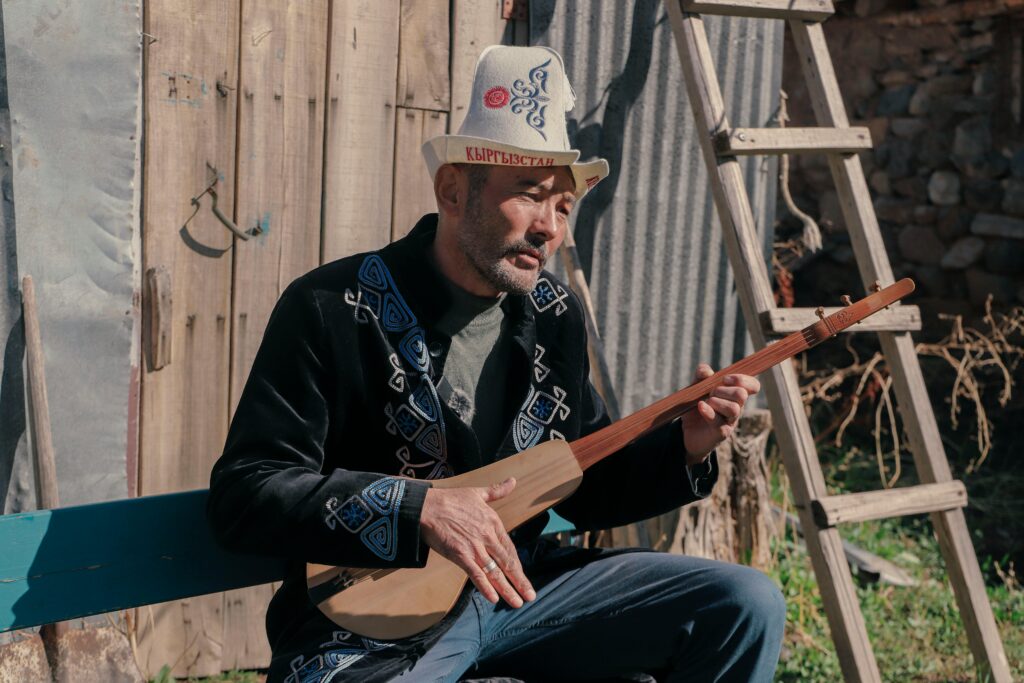
Kalpak (Traditional Hat)
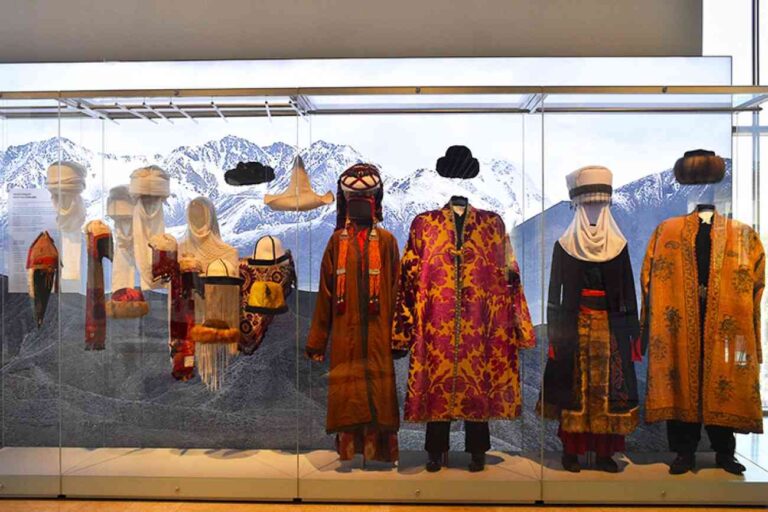
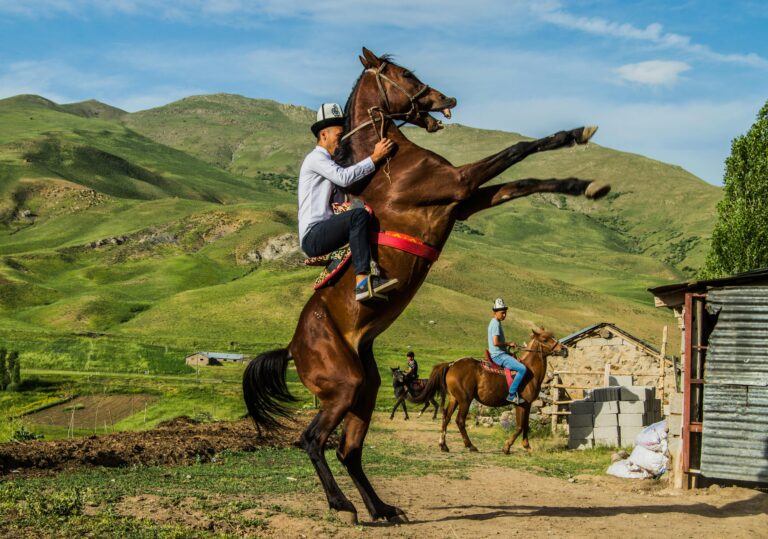
The kalpak is a white felt hat worn by Kyrgyz men and is a national symbol. It represents honor, culture, and identity. Many tourists buy it as a meaningful and recognizable souvenir.
Price: $10–20
Embroidered Scarves
These scarves are lightweight and decorated with traditional patterns. They are easy to pack and suitable for everyday wear. Each design often reflects regional styles.
Price: $5–15
National Dresses
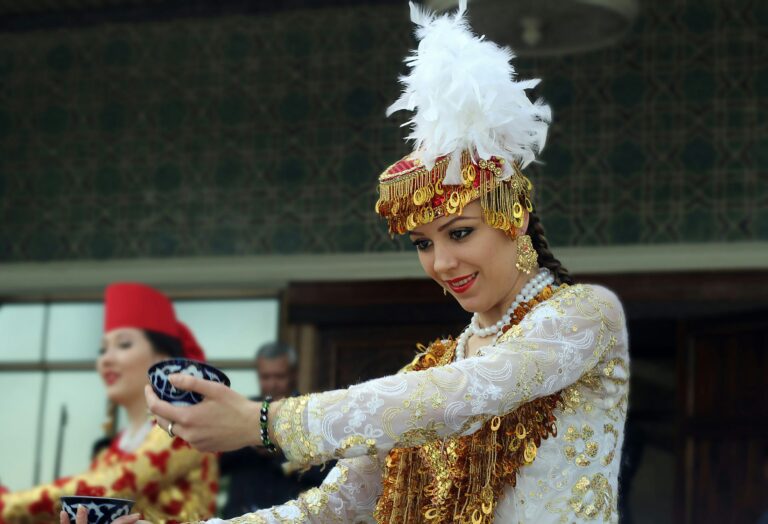
Traditional dresses are colorful and richly decorated. While not always worn daily, they are important for cultural events and celebrations. They make unique and memorable souvenirs.
Price: $30–100
Wool Shawls
Wool shawls are warm, soft, and perfect for colder climates. They are often handmade and feature simple but elegant designs. These are practical souvenirs with long-term use.
Price: $15–40
Handmade Socks
Knitted wool socks are popular in Kyrgyzstan, especially in mountain regions. They are warm, durable, and often decorated with patterns. These make simple but authentic gifts.
Price: $5–10
Silk Accessories
Silk scarves and accessories reflect the influence of the historic Silk Road. They are lightweight, elegant, and easy to carry. These items combine tradition with a touch of luxury.
Price: $10–25
Jewelry & Accessories
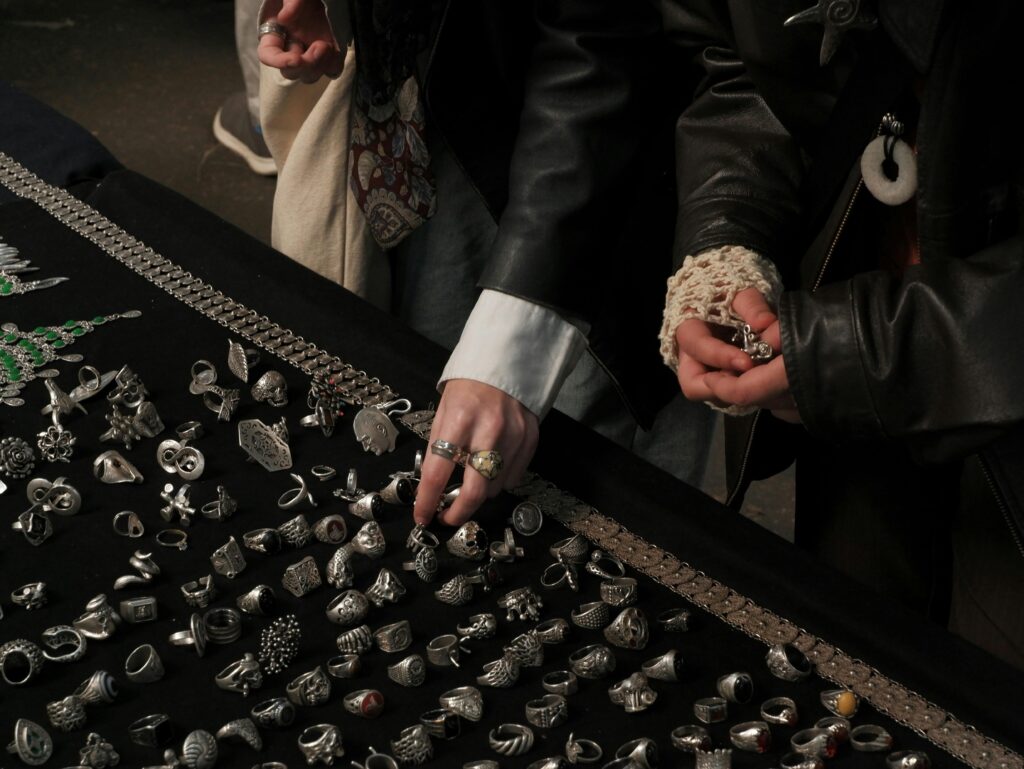
Silver Jewelry
Silver jewelry is widely available and often handcrafted. Designs are inspired by nomadic symbols and nature. These pieces are unique and culturally meaningful.
Price: $15–80
Traditional Rings
Kyrgyz rings are often large and decorated with intricate patterns. They can be made from silver or mixed materials. Each ring reflects traditional aesthetics and craftsmanship.
Price: $10–40
Ethnic Necklaces
These necklaces combine stones, beads, and metal elements. Many designs are bold and eye-catching. They are perfect for those looking for statement accessories.
Price: $15–60
Bracelets with Nomadic Patterns
Bracelets often feature engraved or symbolic designs. They are simple yet elegant and suitable for everyday wear. These accessories are popular among both locals and tourists.
Price: $10–30
Where to Buy Souvenirs in Kyrgyzstan
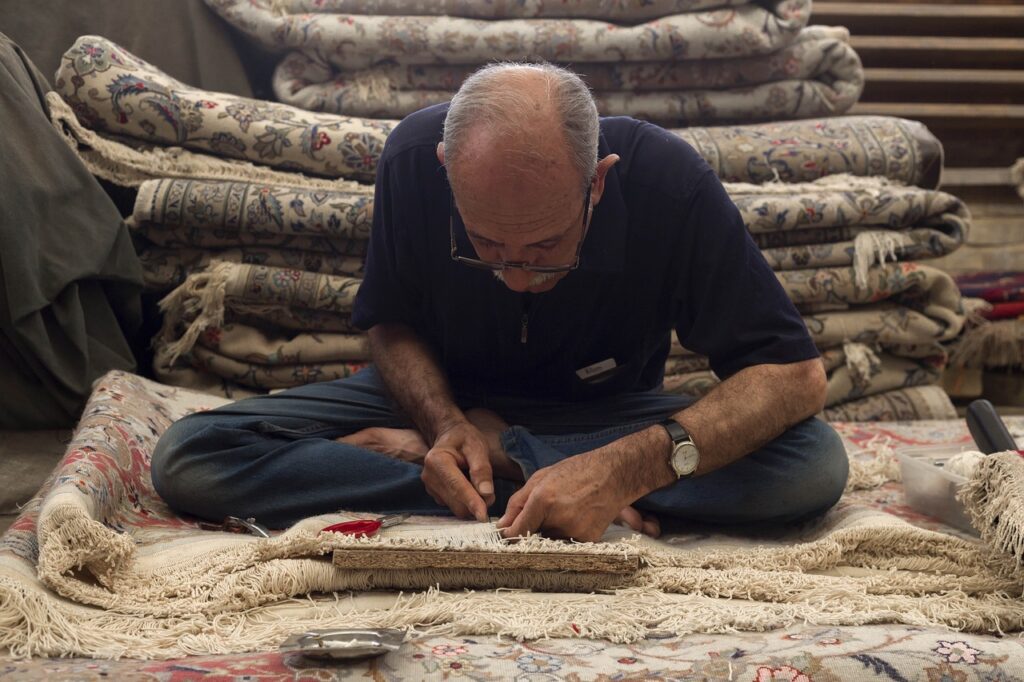
The best places to shop include Osh Bazaar in Bishkek, where you can find everything from food to handicrafts at local prices. Dordoi Bazaar offers a huge variety, though it is more wholesale-oriented. Smaller markets in Karakol et Issyk-Kul are ideal for authentic handmade goods directly from artisans.
Tips for Buying Souvenirs

Bargaining is common in Kyrgyz bazaars, so don’t hesitate to negotiate politely. Cash is preferred in most markets, especially outside major cities. Always check if items are handmade, as authentic pieces may have small imperfections that prove their originality.





I didnt know about honey, should take for my aunt, thanks