
جدول المحتويات
تبديلNational Historical Museum of Kyrgyzstan in Bishkek
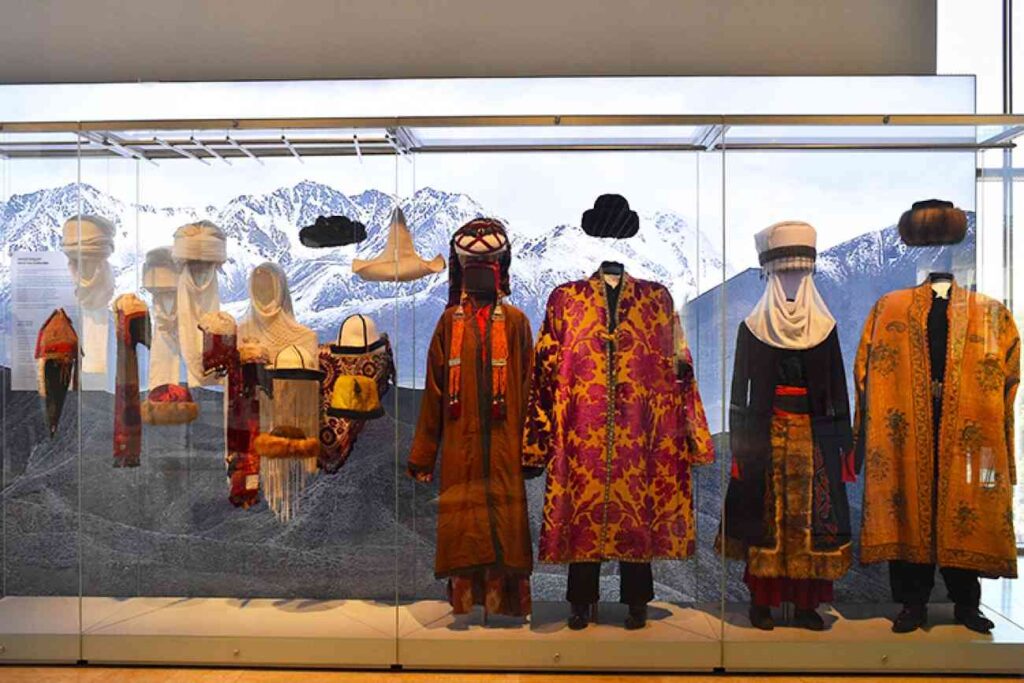
The National Historical Museum of the Kyrgyz Republic is the main historical museum in بيشكيك and one of the country’s most important cultural institutions. Located in the center of the capital near Ala-Too Square, the museum presents the history and cultural heritage of Kyrgyzstan from ancient times through the medieval period, the Soviet era and the independent republic.
The museum was founded in 1925 and opened to visitors in 1927. Its collections include archaeological and ethnographic artifacts, traditional clothing, musical instruments, weapons, jewelry, documents and objects connected with the development of Kyrgyz society and culture.
About the National Historical Museum
The museum was originally established as the Central Museum of Kyrgyzstan. It subsequently changed names several times before becoming the State Historical Museum in 1954.
In 2018, the museum received national status and became the National Historical Museum of the Kyrgyz Republic.
Today, the museum’s collections contain approximately 90,000 museum items, including archaeological, ethnographic, historical and cultural materials.
National Historical Museum at a Glance
Information | Details |
Type of Place | Architecture Complex |
Location | بيشكيك، قيرغيزستان |
Area | Central Bishkek |
Main focus | History, archaeology and culture of Kyrgyzstan |
Founded | 1925 |
Opened to visitors | 1927 |
Collections | Approximately 90,000 museum items |
Recommended time | About 1–2 hours |
Where Is the National Historical Museum?
The National Historical Museum is located in central Bishkek, close to Ala-Too Square and other major landmarks in the city center.
Its central location makes it easy to combine with a walking tour of Bishkek.
A typical sightseeing route can connect the museum with:
- Ala-Too Square
- Manas Monument
- Oak Park
- State Historical Museum area
- Panfilov Park
- Erkindik Boulevard
- Osh Bazaar
The museum’s central location also makes it a practical first stop for travelers who want an introduction to Kyrgyzstan before traveling outside Bishkek.
What to See at the National Historical Museum
Ancient History and Archaeology
The archaeological collections cover a long period of history, from the Stone Age through the Bronze Age, Iron Age and medieval periods.
Exhibits include materials associated with ancient cultures that developed across the territory of present-day Kyrgyzstan. The museum’s archaeological collection includes rock-art material, ceramics, weapons, objects made from precious metals and artifacts from archaeological excavations.
Saka and Early Nomadic Culture
The museum has important collections connected with the Saka and other early nomadic cultures of Central Asia.
Gold and silver objects, ornaments and examples of the animal-style artistic tradition illustrate the material culture of early nomadic societies.
Medieval Kyrgyzstan
The museum presents the history of medieval cultures and states that developed in the region.
Collections cover ancient Turkic culture, medieval urban culture in Semirechye and the Karakhanid period.
These exhibits provide useful historical context for places such as Burana Tower, Balasagun and other archaeological sites around Kyrgyzstan.
Traditional Kyrgyz Culture
Ethnographic collections are an important part of the museum.
Visitors can see examples of:
- Traditional clothing
- Musical instruments
- Horse equipment
- Felt products
- Household objects
- Traditional crafts
- Jewelry
These exhibits help explain the traditional nomadic lifestyle and cultural heritage of the Kyrgyz people.
Gold of Ancient Kyrgyzstan
One of the notable collections is the museum’s collection of ancient objects made from precious metals.
The exhibits include gold and silver artifacts associated with ancient peoples of the Eurasian steppe and provide examples of early artistic traditions.
Soviet Kyrgyzstan
The museum also covers the twentieth century and the period when Kyrgyzstan was part of the Soviet Union.
The collections include historical materials relating to Soviet Kyrgyzstan, including state development, society, culture and economic life.
Independent Kyrgyzstan
The museum’s historical coverage continues into the period of independent Kyrgyzstan.
This makes the museum useful for understanding the country’s transition from the Soviet period to the modern republic.
Museum Building and Location
The museum occupies a prominent building in central Bishkek near Ala-Too Square.
The museum’s location is itself connected with the architectural and political history of the capital, making the surrounding area useful for understanding the development of Bishkek.
How to Visit the National Historical Museum
The museum can be visited independently or included in a guided Bishkek sightseeing tour.
Because it is centrally located, visitors can combine it with several nearby attractions during the same walking itinerary.
From Central Bishkek
The museum is within the central sightseeing area of Bishkek and can be reached by walking, taxi or public transport depending on your starting point.
Best Time to Visit
The museum can be visited throughout the year and is particularly useful during hot summer afternoons or colder periods when outdoor sightseeing is less comfortable.
A museum visit also works well at the beginning of a Kyrgyzstan trip because it provides historical and cultural context for the destinations visited later.
Opening hours and visitor arrangements should be checked before visiting because museum schedules can change.
Practical Information
Allow approximately 1–2 hours for a normal visit.
Visitors interested in archaeology, ethnography and Kyrgyz history may want to allow additional time.
The museum also hosts temporary exhibitions and international cultural projects. In 2026, for example, the museum scheduled a temporary exhibition of ancient Chinese artistic heritage while maintaining access to its permanent exhibitions.
For current entrance fees, opening hours and temporary exhibitions, verify the information before your visit.
Places Near the National Historical Museum
- Ala-Too Square
- Manas Monument
- Oak Park
- Panfilov Park
- Osh Bazaar
- بيشكيك
- Burana Tower
For your site structure, the strongest internal relationships are likely to be with Bishkek and the major historical sights such as Burana Tower.


