
جدول المحتويات
تبديلKok-Kiya Valley, Kyrgyzstan
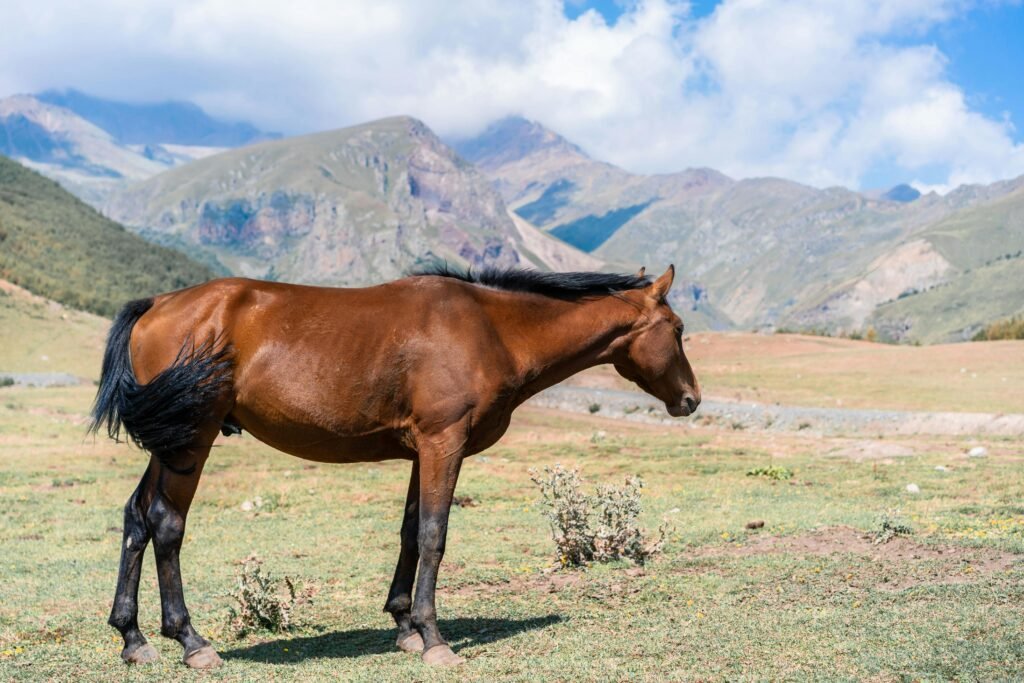
Kok-Kiya Valley is a remote high-mountain valley in Naryn Region, in the southern part of Kyrgyzstan near the Chinese border. The valley is shaped by the Kok-Kiya River and surrounded by dramatic rocky landscapes, high plateaus and the mountains of the Kokshaal-Too range.
The valley is best known as part of the route toward بحيرة كيل-سو and as one of the wildest landscapes in the Naryn region. The area has very little permanent infrastructure and is primarily visited by travelers on 4WD, trekking and horseback expeditions.
About Kok-Kiya Valley
Kok-Kiya Valley lies in the remote Ak-Sai basin of Naryn Region. The Kok-Kiya River runs through a winding canyon system before joining the larger river network of the region.
The surrounding landscape combines broad high-altitude valleys with steep cliffs and rocky formations. The area is also associated with the Kok-Kiya Canyon, Kok-Kiya River and the route toward Kel-Suu Lake.
Because the valley lies in a border zone, visiting requires more preparation than a typical Kyrgyzstan sightseeing destination.
Kok-Kiya Valley at a Glance
Information | Details |
Type of Place | Valley |
Country | قيرغيزستان |
Region | Naryn Region |
Area | Ak-Sai basin / Kokshaal-Too area |
Main River | Kok-Kiya River |
Nearby Attraction | بحيرة كيل-سو |
Landscape | High-mountain valley and canyon |
Access | 4WD, expedition, trekking or horseback route |
Best Time to Visit | Summer to early autumn |
Special Requirement | Border-zone access arrangements |
Where Is Kok-Kiya Valley?
Kok-Kiya Valley is in the southern part of Naryn Region, in a remote border area close to China.
Tourism sources place the valley roughly 550 km from Bishkek, while other sources describe it as approximately 100 km from Naryn depending on which part of the valley is being referenced. Because the area is extensive, it is better not to present one exact distance from Naryn as a defining characteristic of the destination.
The valley forms part of the wider Ak-Sai-Kokshaal-Too landscape.
What Makes Kok-Kiya Valley Special?
Remote Mountain Landscape
Kok-Kiya is far removed from the main tourist routes of Kyrgyzstan.
Large sections of the valley have little infrastructure, creating a strong wilderness character. The surrounding cliffs, river channels and high mountain plateaus are the main attractions.
Kok-Kiya River
The Kok-Kiya River runs through the valley and has carved a winding canyon through the surrounding terrain.
The river and its cliffs are particularly striking from viewpoints along the road and trekking routes.
Kokshaal-Too Mountains
The southern horizon is dominated by the high mountains of the Kokshaal-Too range.
On clear days, the combination of wide valley landscapes, rocky cliffs, and snow-covered mountains creates some of the most dramatic scenery in southern Naryn.
Wildlife and Nomadic Pastures
The surrounding highlands are used as seasonal pasture, and visitors may encounter herders and livestock, including yaks.
The remote landscape also provides habitat for mountain wildlife. Travelers should observe animals from a distance and avoid disturbing grazing herds or wildlife.
Kok-Kiya Canyon
Kok-Kiya Valley includes a dramatic canyon carved by the Kok-Kiya River.
The name is sometimes written Kok-Kya, Kokkya or Kökkyia, and some travel sources use Kok-Kiya Canyon rather than Valley. The canyon contains steep rock walls, winding river sections, and caves and grottoes in parts of the valley.
Kok-Kiya Valley and Kel-Suu Lake
Kok-Kiya Valley is closely connected with Kel-Suu Lake, but the two should remain separate Sight entities.
Kok-Kiya is the wider valley and route environment, while Kel-Suu is the individual alpine lake surrounded by steep cliffs.
The journey toward Kel-Suu commonly passes through the Ak-Sai and Kok-Kiya area. Because of the difficult roads and remote conditions, the journey is normally undertaken with an experienced driver and a suitable off-road vehicle.
How to Get to Kok-Kiya Valley
From Naryn
The journey from Naryn takes travelers deep into the remote southern part of the region.
The route includes long sections of rough and unpaved mountain road, and river crossings can be necessary depending on conditions.
By 4WD
A capable 4WD vehicle and an experienced local driver are strongly recommended.
This is not a destination where travelers should rely on a normal city passenger car, particularly when continuing toward Kel-Suu.
By Tour or Expedition
For most international visitors, an organized tour or expedition is the most practical way to visit.
Kok-Kiya can form part of multi-day journeys combining:
- Ak-Sai Valley
- Kok-Kiya Valley
- بحيرة كيل-سو
- high mountain passes
- horseback trekking
- nomadic summer pastures
Border-Zone Access
Kok-Kiya lies in a border area, so travelers should arrange the necessary access permissions before departure.
Requirements can change, and travelers should confirm the current procedure, permitted route, and required documents before the trip. Sources describing current access specifically mention advance permits and carrying the original documents during the journey.
This is an important distinction from ordinary sightseeing destinations around Bishkek or Issyk-Kul.
Hiking and Horseback Riding
Kok-Kiya is particularly suitable for multi-day trekking and horseback expeditions.
The surrounding valleys and passes provide routes through high alpine terrain, while horseback expeditions can combine Kok-Kiya with Ak-Sai Valley and other remote areas of southern Naryn.
This type of travel requires preparation for:
- high altitude
- cold nights
- rapidly changing weather
- river crossings
- limited infrastructure
- long distances between services
Best Time to Visit Kok-Kiya Valley
Summer
Summer is the main travel season for Kok-Kiya. Mountain roads and high-altitude pastures are generally most accessible during this period.
Early Autumn
Early autumn can also be suitable, although temperatures drop rapidly and weather becomes less predictable.
Winter and Early Spring
Winter conditions make the region considerably more difficult to access. Snow, ice, and severe cold can affect mountain roads and passes.
For any trip, check current road and border conditions before departure.
Practical Information
Kok-Kiya is a remote expedition destination rather than a conventional tourist attraction.
Bring:
- Warm clothing
- Waterproof outer layers
- Sturdy hiking shoes
- Sleeping equipment appropriate for cold nights
- Food and water supplies as required by your itinerary
- Sun protection
- Navigation and communication equipment
- Passport and required border documents
There are very limited services in the valley, so travelers should be prepared for several days without normal tourist infrastructure.
Places Near Kok-Kiya Valley
The most relevant nearby Sight entities are:
- بحيرة كيل-سو
- Ak-Sai Valley
- Kok-Kiya Canyon
- Kokshaal-Too Mountains
- نارين


