
Table des matières
ToggleAlmaty Metro, Kazakhstan: Stations, Architecture
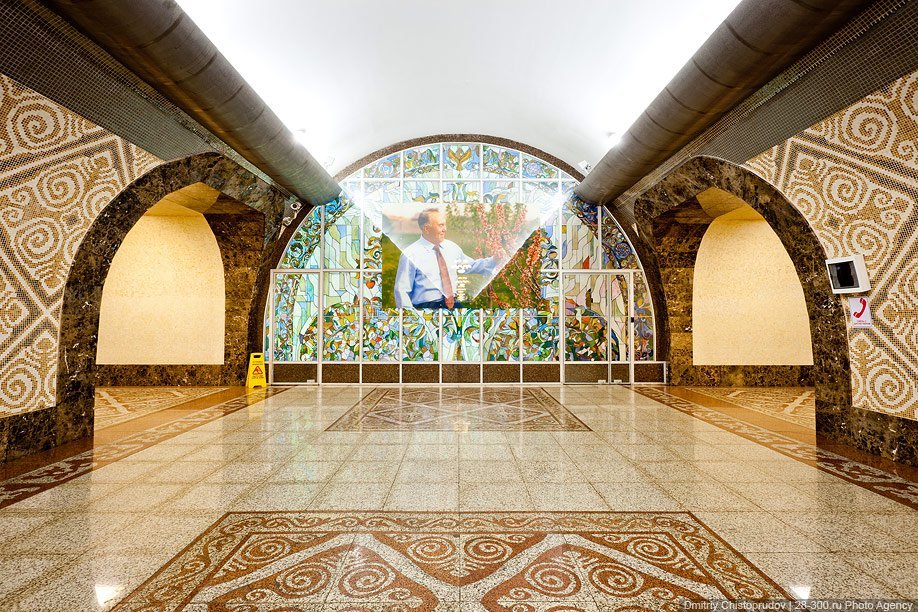
Almaty is known for its mountain views, leafy streets and lively markets, but one of the city’s more surprising attractions lies underground. The Almaty Metro combines everyday public transport with decorative station interiors inspired by Kazakh culture, local history and the city’s identity.
Opened in 2011, the metro provides a convenient way to travel through parts of Kazakhstan’s largest city while offering visitors an unusual sightseeing experience. Some stations feature colorful mosaics, elaborate lighting, traditional ornamental patterns and architectural details that make the journey interesting even when you are not in a hurry to reach your destination.
For travelers exploring Almaty, taking the metro is more than a practical alternative to road traffic. It is an opportunity to see another side of the city, discover its public architecture and experience a part of daily life in modern Kazakhstan.
Where Is the Almaty subway?
The Almaty Metro serves the southern Kazakh city of Almaty. Its current network consists of one line running between Raiymbek Batyr and Baurzhan Momyshuly stations, with stops serving residential districts, central shopping areas and important city locations.
The metro is particularly useful for moving between parts of the city where road traffic can be busy. Although it does not reach every major attraction, several stations provide convenient access to shopping streets, cultural venues and other places worth exploring.
Because the network is relatively compact, visitors can learn the route quickly. There are no line changes on the current system, so passengers simply choose the correct direction and get off at their destination.
The History of Almaty Metro
Plans for an underground railway in Almaty developed during the Soviet period, when the city’s population and urban area were expanding. Construction took many years, and the project continued through the major political and economic changes that followed the end of the Soviet Union.
The metro finally opened to passengers on 1 December 2011. Its first section included seven stations, providing a new transport option for residents and an important milestone in the city’s development.
The network later expanded with the opening of Sairan and Moskva stations in 2015. In 2022, the line was extended farther west with the addition of Saryarka and Baurzhan Momyshuly stations.
Today, Almaty Metro remains a relatively small system compared with the underground railways of larger international cities. Its compact size, however, makes it manageable for tourists and gives the individual stations a more prominent role in the experience of traveling through the city.
What Makes Almaty Metro Interesting?
The main attraction is the design of its stations. Rather than treating underground platforms as purely functional spaces, the metro incorporates decorative themes that reflect Kazakhstan’s cultural heritage, technological ambitions and urban identity.
Depending on the station, visitors can find patterned stonework, mosaics, ornamental motifs, sculptural details and distinctive lighting. These elements make the underground environment feel different from the standardized appearance of many modern transport systems.
The metro is also a useful introduction to contemporary Almaty. During a short journey, you can see how the city connects its historic center with newer residential and commercial districts.
The Most Interesting Almaty Metro Stations
1. Zhibek Zholy Station
Zhibek Zholy is one of the most interesting stations for travelers interested in Kazakh and Central Asian cultural themes.
Its name means “Silk Road,” referring to the historic trade networks that connected Central Asia with other parts of Eurasia. The station’s decorative design draws on traditional ornament and includes motifs associated with the framework of a Kazakh yurt.
The central floor design also references the Silk Road, connecting the station’s appearance with the region’s long history of travel, exchange and craftsmanship.
For visitors, Zhibek Zholy is a worthwhile stop because its design reflects a subject that appears throughout Kazakhstan’s cultural heritage. It also provides convenient access to parts of central Almaty, including shopping areas and pedestrian streets.
2. Almaly Station
Almaly is another station worth noticing for its decorative interior.
The design includes colorful stained-glass elements, marble mosaics and national ornamental patterns. One of its themes is the Almaty Aport apple, a variety historically associated with the city and the surrounding region.
Decorative chandeliers and carefully arranged details give the station a more formal atmosphere than a purely functional transport space.
If you enjoy photographing architecture, Almaly is a good place to look closely at the interplay between light, color and traditional motifs. Be mindful of other passengers and station rules when taking pictures.
3. Raiymbek Batyr Station
Raiymbek Batyr station takes its name from a prominent Kazakh historical figure. Its decorative style draws on ancient art, including rock-art imagery and national patterns.
These details connect the metro with Kazakhstan’s broader historical landscape, where archaeological discoveries and traditional ornament are important parts of cultural identity.
The station is also the northern terminus of the current metro line. It is a useful stop for travelers exploring the northern part of the network or beginning a journey toward the city center.
4. Baikonur Station
Baikonur station has a more technological appearance than some of the metro’s traditionally decorated stops. Its design is associated with the Baikonur Cosmodrome, the historic space-launch facility in Kazakhstan.
The station’s high-tech visual theme provides a contrast with the Silk Road and traditional-art motifs found elsewhere on the line.
This contrast is part of what makes exploring Almaty Metro interesting: each station can have its own visual identity rather than repeating exactly the same design throughout the network.
5. Auezov Theatre Station
Named after the Mukhtar Auezov Theatre, this station incorporates travertine tiles, sculptural decorative elements and a mosaic panel depicting theatrical scenes.
Its design connects the underground railway with the performing arts and cultural life of Almaty.
The station is particularly interesting for visitors who want to notice how public architecture can represent more than transport. It also offers a convenient access point for exploring cultural venues in the surrounding district.
6. Abay Station
Abay station is named after Abay Qunanbayuli, one of Kazakhstan’s most influential poets, thinkers and cultural figures.
The name highlights the importance of literature and intellectual heritage in Kazakh national identity. When exploring the metro, notice how the names of stations can introduce visitors to important figures, places and themes from the country’s history.
Abay is also a useful station for reaching parts of central Almaty and the surrounding urban area.
How to Ride the Almaty Metro
The metro is straightforward to use, even if you are visiting Kazakhstan for the first time.
Start by identifying the station closest to your destination and checking the direction of travel. Since the current network has one line, there is no need to navigate a complex interchange system.
At the station, purchase a ticket or use an accepted transport payment method. Follow the signs to the platforms and check the station names before boarding. Announcements and signage can help you identify your stop.
If you are unfamiliar with the city, keep the names of your departure and destination stations written on your phone. This is especially helpful when the names are unfamiliar or transliterated differently across maps.
The metro is generally a practical option for short urban journeys, but not every attraction is within easy walking distance of a station. Check the complete route before setting off.
Almaty Metro Opening Hours
According to the official metro website, the system operates daily from 6:20 a.m. until midnight, using Astana time, which is also the local time in Almaty.
Train intervals vary throughout the day, and services may be less frequent outside peak periods or on weekends. If you have a train, flight or timed activity to catch, leave a reasonable buffer rather than planning to arrive at the last possible moment.
The metro does not operate throughout the night. Travelers returning late should check the time of the last available train and arrange alternative transport if necessary.
Operating schedules can change, so consult the official metro website before your journey.
Almaty Metro Tickets and Fares
The official metro website lists the following standard ticket options:
Single smart token: 120 tenge.
Child smart token for ages 7–15: 60 tenge, with proof of age.
Reusable metro smart card: 180 tenge for the card itself, with rides charged separately at 120 tenge each.
Onay transport card: Accepted for metro travel.
Bank card: The metro’s official payment information lists bank-card payment through a POS terminal at ticket offices.
A smart token is valid for one day. Trips loaded onto the reusable metro smart card remain valid for three years from the last top-up, according to the official payment information.
Ticket prices and payment options may change. Check the official Almaty Metro website for current details before traveling.
Is Almaty Metro Useful for Tourists?
Yes, particularly if you want to travel between central areas without relying entirely on taxis or road transport.
The metro can be useful for reaching shopping districts, cultural venues and residential parts of the city. It is also a good choice when traffic is heavy or when you want to experience local urban life.
However, Almaty is geographically spread out, and many popular attractions are located beyond walking distance from the metro network. Mountain destinations, for example, usually require another form of transport.
For the best experience, combine metro journeys with walking, buses or taxis as needed rather than expecting the underground railway to reach every sightseeing destination.
Best Time to Explore Almaty Metro
The metro can be visited throughout the year because most of the experience takes place indoors.
In summer, it provides a cool break between outdoor sightseeing stops. During winter, it is a practical way to avoid some of the discomfort of walking long distances in cold weather.
If you want to examine station interiors or take photographs, quieter periods are generally preferable to the busiest commuting hours. Early afternoon may be more comfortable than the morning and evening rush, although passenger levels vary by station and day.
Remember that the metro is primarily a transport service. Give commuters space, keep passageways clear and avoid lingering in busy areas to photograph decorative details.
Almaty Metro Photography Tips
The station interiors can be rewarding subjects for architectural photography, especially if you enjoy geometric patterns, mosaics and decorative lighting.
Look for symmetry along the platforms, details in the wall finishes and the relationship between the station’s lighting and materials. Some stations have strong visual themes that are easier to appreciate when photographed from a wider angle.
Before taking pictures, check the station’s current photography rules and any posted restrictions. Avoid photographing security-sensitive areas, obstructing passengers or using equipment in a way that interferes with station operations.
A phone camera is usually sufficient for capturing the decorative details that make the metro distinctive.
Places to Visit Along the Metro Line
Almaty Metro can be combined with sightseeing in several parts of the city. The most convenient places depend on your route and the station you choose.
Zhibek Zholy and central shopping streets: Explore pedestrian areas, shops and cafés in the historic commercial center.
Almaly and central Almaty: Use this part of the line to explore central streets and cultural venues.
Abay and surrounding districts: A useful area for exploring the city’s southern central districts.
Auezov Theatre area: Combine your journey with a visit to nearby cultural venues, depending on current opening schedules.
Before publishing a detailed itinerary, check walking distances from each station to the specific attraction. A station name alone does not guarantee that a landmark is immediately beside the entrance.
Practical Tips for Visitors
Check the latest metro map before traveling.
Confirm the current fare and accepted payment options.
Keep your ticket or payment method ready before reaching the turnstiles.
Check the direction of travel before boarding.
Avoid peak commuting periods if you want to explore station architecture at a relaxed pace.
Keep bags and personal belongings secure in crowded areas.
Follow posted rules about photography and passenger safety.
Check the last-train time if you plan to stay out late.
Use taxis or buses for destinations that are not conveniently served by the metro.


