
Table des matières
ToggleKyrgyzstan Cultural Tours
Discover Kyrgyzstan’s cultural tours and experience the traditions, hospitality, history, and nomadic heritage that make this Central Asian country unique. From staying in traditional yurts and meeting local families to riding horses across alpine pastures, tasting homemade Kyrgyz food, and learning about ancient Silk Road traditions, cultural travel in Kyrgyzstan offers an authentic connection with local life.
Our Kyrgyzstan cultural tours combine cultural experiences with spectacular mountain landscapes, historic sites, village visits, and opportunities to meet local people. Whether you are interested in nomadic culture, Silk Road history, traditional food, handicrafts, or everyday life in Kyrgyzstan, you can explore the country through experiences that go beyond conventional sightseeing.
Best Cultural Tours in Kyrgyzstan


Why Choose Cultural Tours in Kyrgyzstan?
A cultural tour is one of the best ways to understand Kyrgyzstan beyond its mountains and landscapes.
The country’s culture has been shaped by centuries of nomadic life, trade along the Silk Road, Turkic traditions, Islam, Soviet history, and the natural environment of the Tian Shan mountains.
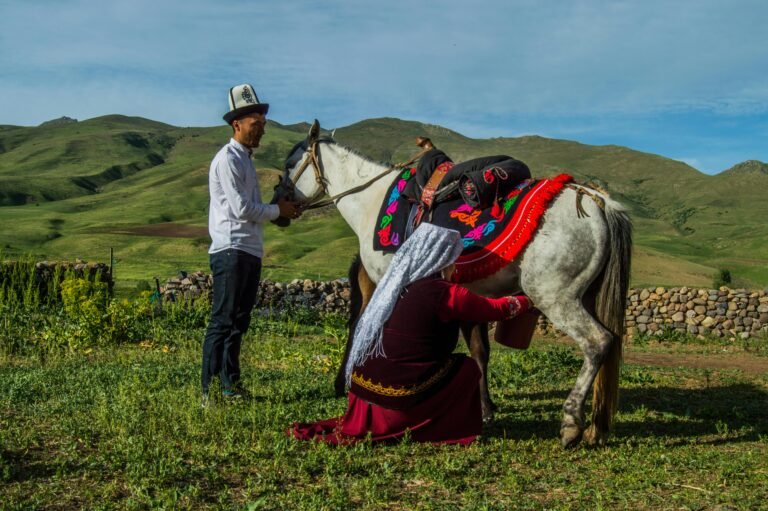
Traveling through rural Kyrgyzstan provides opportunities to see traditional ways of life firsthand. You may stay with a local family, visit a yurt camp, watch traditional horse games, learn how felt products are made, share a meal with a Kyrgyz family, or travel to high mountain pastures where families spend the summer.
A nomadic culture tour in Kyrgyzstan can therefore become both a cultural and outdoor experience.
Nomadic Culture in Kyrgyzstan
Nomadic heritage is one of the defining elements of Kyrgyz culture.
Historically, Kyrgyz communities moved seasonally between winter settlements and summer pastures in search of suitable grazing land for their animals. Horses, sheep, cattle, and other livestock played an important role in this way of life.
Today, seasonal migration to mountain pastures continues in some rural communities. During summer, families may live in jailoo, or high mountain pasture areas, where they look after livestock and produce traditional foods.
Travelers can experience aspects of this lifestyle through cultural tours, yurt stays, horseback riding, village visits, and local-hosted experiences.
Yurt Experiences in Kyrgyzstan
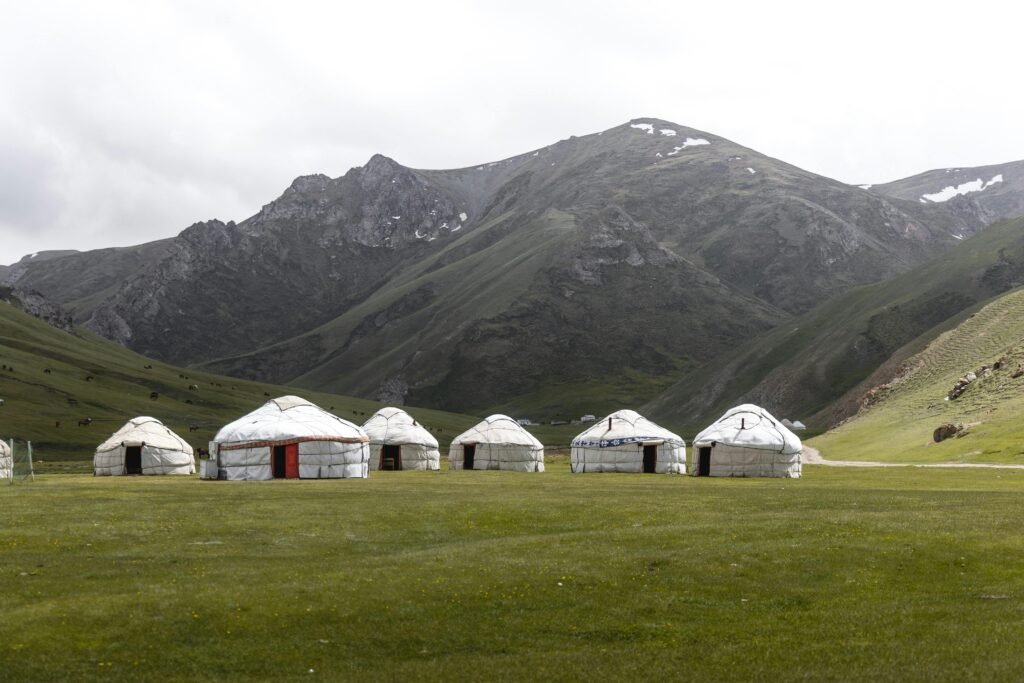
The traditional Kyrgyz yurt is one of the most recognizable symbols of the country’s nomadic heritage.
A yurt is a portable round dwelling traditionally designed for a mobile lifestyle. Its wooden framework, felt coverings, decorative elements, and interior design reflect both practical needs and cultural traditions.
During a Kyrgyzstan yurt tour, travelers can stay in traditional-style yurts, enjoy local meals, meet hosts, and experience life in mountain and pasture environments.
Popular areas for yurt experiences include: Song-Kul Lake; Issyk-Kul Region; Naryn Region; Tash Rabat; Kochkor; Jyrgalan; Alay Valley.
A yurt stay can be included in cultural tours, horseback riding tours, trekking trips, and wider Kyrgyzstan travel itineraries.
Song-Kul Nomadic Culture
Song-Kul is one of the most popular destinations for experiencing Kyrgyzstan’s nomadic traditions.
The high-altitude lake is surrounded by broad summer pastures where shepherds and their families traditionally bring livestock during the warmer months.
A cultural tour around Song-Kul Lake can include a yurt stay, traditional meals, horseback riding, hiking, and opportunities to learn about seasonal life on the jailoo.
For many travelers, Song-Kul provides one of the clearest introductions to the relationship between Kyrgyz culture, horses, livestock, mountains, and seasonal migration.

Horse Culture in Kyrgyzstan
Horses have played a central role in Kyrgyz history and culture for centuries.
They were important for transportation, herding, communication, warfare, sport, and daily life in nomadic communities. Horse culture remains visible throughout the country, particularly in rural and mountain regions.
Cultural tours can include horseback riding through valleys and pastures, visits to local horse breeders, and opportunities to learn about traditional equestrian practices.
Travelers interested in Kyrgyz traditions can also experience traditional horse games and sporting events when they coincide with their itinerary.

Traditional Kyrgyz Food
Food is an important part of any Kyrgyzstan cultural tour.
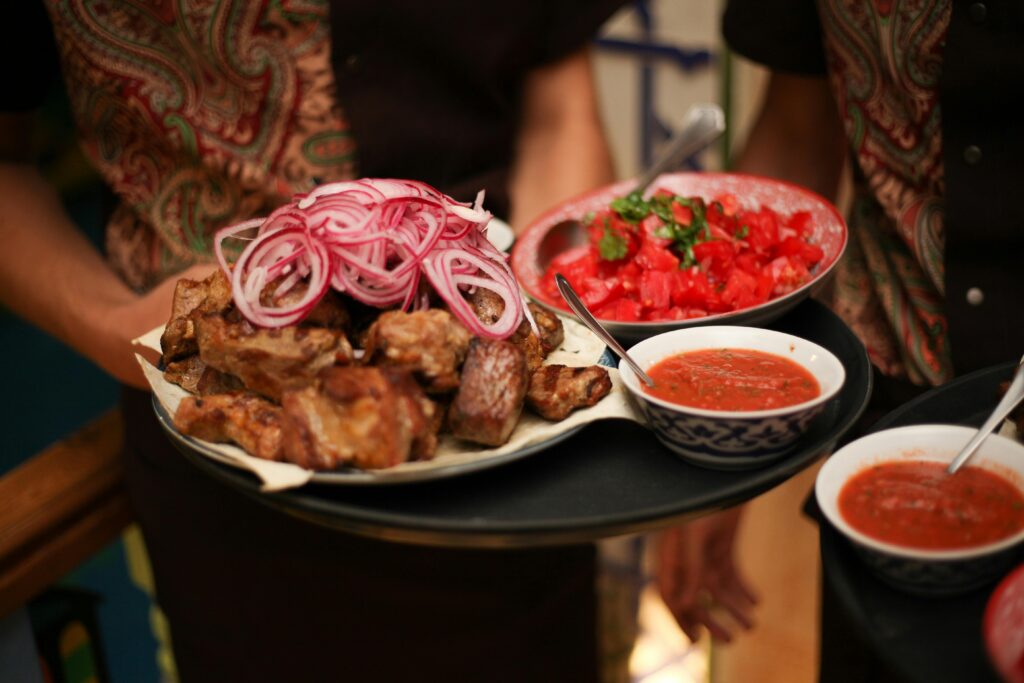
Traditional Kyrgyz cuisine developed around the country’s pastoral and nomadic lifestyle, with meat, dairy products, grains, and locally available ingredients playing important roles.
Depending on the region and season, travelers may have the opportunity to try: Beshbarmak; Plov; Kuurdak; Boorsok; Kymyz; Kurut; Traditional breads; Homemade jams and preserves; Fresh dairy products; Local soups and meat dishes.
Food experiences can take place in family homes, guesthouses, yurts, villages, and local restaurants.
Sharing a meal with a local family can provide a particularly personal introduction to Kyrgyz hospitality.
Kyrgyz Hospitality
Hospitality is an important part of social life in Kyrgyzstan.
Visitors may be welcomed with tea, bread, sweets, homemade dairy products, or a traditional meal. In rural areas, travelers staying with local families can experience everyday hospitality in a more personal setting.
Cultural tours create opportunities to meet local people rather than simply passing through a destination.
These encounters can be among the most memorable parts of traveling through Kyrgyzstan.

Traditional Kyrgyz Crafts
Kyrgyzstan has a strong tradition of handmade crafts, particularly those connected with nomadic life.
Felt production has historically been especially important because felt was used for yurts, clothing, carpets, household items, and decorative objects.
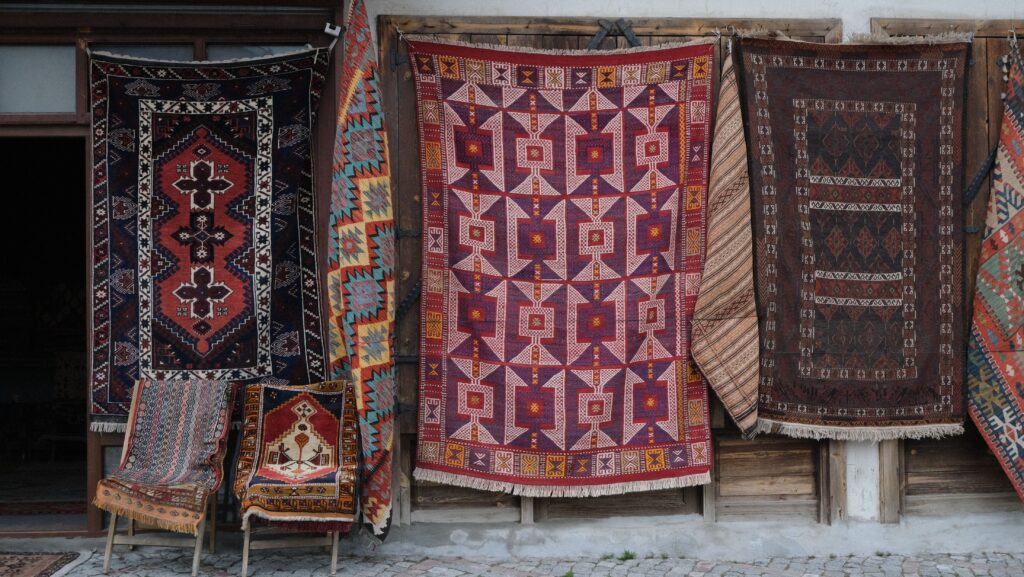
During a cultural tour, travelers can visit craft workshops and learn about traditional techniques used to create: Shyrdak felt carpets; Ala-kiyiz felt carpets; Embroidery; Felt decorations; Traditional textiles; Yurt decorations; Handmade souvenirs.
Kochkor is particularly well known for cultural and craft experiences, making it a useful stop for travelers interested in traditional Kyrgyz handicrafts.
Traditional Music and Kyrgyz Instruments
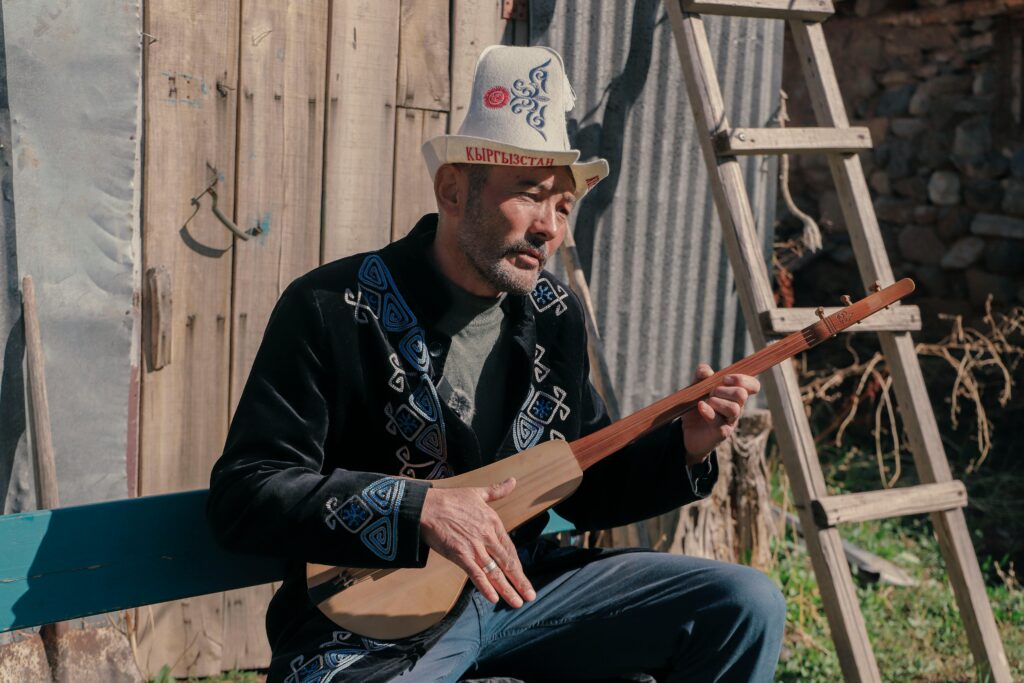
Music is an important part of Kyrgyz cultural heritage.
Les komuz, a traditional three-stringed instrument, is one of the country’s best-known musical instruments. Performances may accompany cultural events, celebrations, storytelling, and traditional gatherings.
Travelers may have opportunities to hear traditional music during cultural programs, festivals, family-hosted experiences, or visits to cultural centers.
Manas and Kyrgyz Oral Tradition
Les Epic of Manas occupies an important place in Kyrgyz cultural heritage.
The epic is traditionally performed and transmitted through generations by storytellers known as manaschi. It represents an important part of Kyrgyz oral tradition and cultural identity.
Travelers interested in history and culture can include performances, museums, monuments, or cultural presentations related to Manas in their itinerary.

Eagle Hunting and Traditional Hunting Culture
Traditional hunting practices are another aspect of Central Asian cultural heritage that can be encountered in Kyrgyzstan.
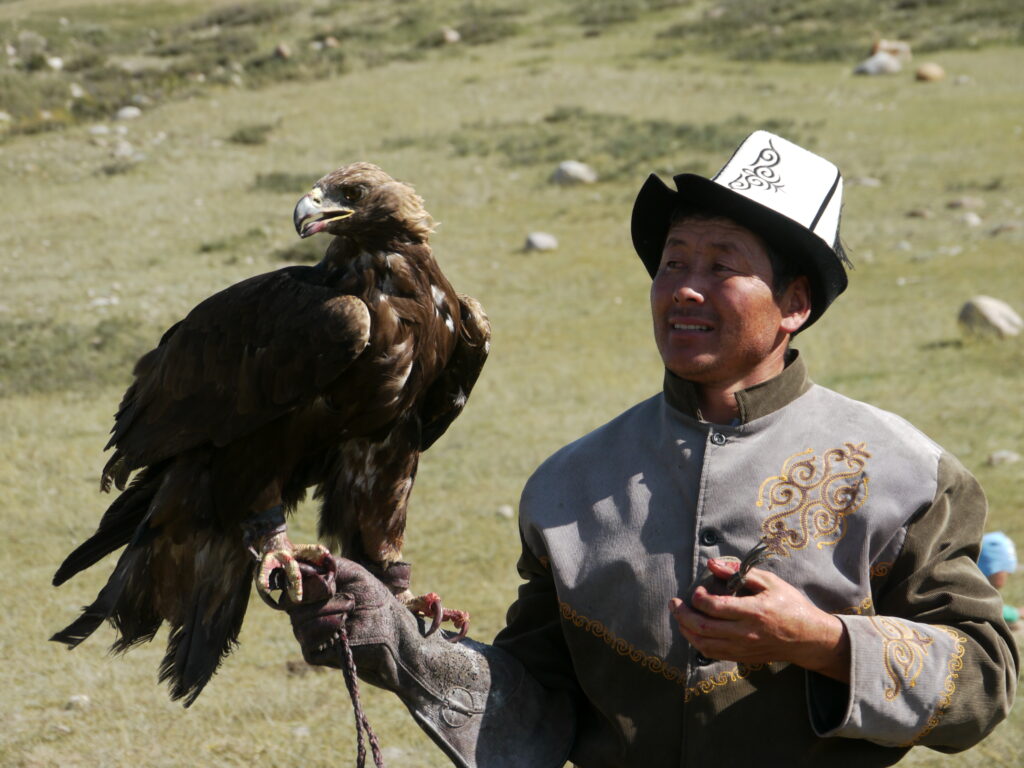
Golden eagle hunting, particularly associated with Kyrgyz and other Central Asian traditions, involves trained birds of prey and specialized knowledge passed between generations.
When available through responsible cultural experiences, visitors can learn about the relationship between hunters, horses, and birds of prey and see demonstrations of traditional techniques.
Traditional Horse Games
Horse games have long been part of Kyrgyz culture and remain an important part of festivals and special events.
One of the most famous is kok-boru, a traditional horseback team game.
Other traditional competitions can include horse racing, wrestling, and other forms of equestrian sport.
The exact activities available to travelers depend on local events and the timing of their visit.

Kyrgyzstan Cultural Tours & Silk Road History
Kyrgyzstan was historically connected to trade routes crossing Central Asia.
Travelers following these historic routes can visit caravanserais, ancient settlements, markets, mountain passes, and cities that developed through centuries of trade and cultural exchange.
Cultural tours can combine Silk Road history with modern Kyrgyz traditions, creating a broader understanding of how the country’s culture developed over time.
Important destinations can include Osh, Balasagun and Burana Tower, Tash Rabat, and other historic sites across the country.
Types of Tours | Tours in Kyrgyzstan |
Village and Homestay Experiences (Guesthouses) | For travelers seeking authentic cultural experiences, village stays, and homestays provide an opportunity to experience daily life more directly. Depending on the destination, a homestay may include:
Homestays are particularly valuable for travelers who want to understand everyday life rather than only visit major tourist attractions |
Nomadic Culture and Adventure Travel | Culture and adventure are naturally connected in Kyrgyzstan. A single tour can combine horseback riding, trekking, camping, yurt stays, mountain drives, and cultural experiences. For example, a journey to Song-Kul can include a horse trek across mountain passes followed by a yurt stay. A trip through Naryn can combine Tash Rabat with mountain landscapes and local cultural experiences. This combination makes Kyrgyzstan particularly suitable for travelers who want both cultural immersion and outdoor adventure. |
Cultural Festivals in Kyrgyzstan | Festivals and traditional events can provide opportunities to see Kyrgyz culture in a lively setting. Depending on the season and location, cultural events may feature:
Festival dates and locations vary, so travelers should check the current local calendar when planning a trip around a specific event. |
Private Kyrgyzstan Cultural Tours | Private cultural tours offer flexibility for travelers who want to focus on particular interests. A private itinerary can be designed around:
Private tours can also combine cultural destinations with trekking, mountain tours, and other activities. |
Small Group Cultural Tours | Small group tours provide a social way to explore Kyrgyzstan while visiting cultural and historical destinations. A typical itinerary can combine Bishkek, Issyk-Kul, Karakol, Kochkor, Song-Kul, Naryn, and other destinations depending on the duration of the trip. Group cultural tours can be particularly useful for travelers who want a structured itinerary while still experiencing local traditions and rural environments. |
Best Time for Cultural Tours in Kyrgyzstan
Cultural experiences are available throughout the year, but the type of experience changes with the season.
Summer
It is particularly suitable for nomadic culture tours because mountain pastures are accessible and many families move to seasonal summer pastures. Yurt camps, horseback riding, and high-altitude cultural experiences are especially common during this period.
Spring and Autumn
Can be good seasons for cultural sightseeing, village visits, food experiences, and historical tours, with generally fewer visitors than the peak summer period.
Winter
It offers a different perspective on Kyrgyz culture. Travelers can focus more on cities, museums, local food, crafts, cultural performances, and winter traditions.
Common questions
What to Expect on a Kyrgyzstan Cultural Tour
Cultural tours in Kyrgyzstan can range from comfortable city-based experiences to remote rural journeys.
Depending on your itinerary, you may:
- Stay in hotels, guesthouses, homestays, or yurts
- Share meals with local families
- Travel through mountain villages
- Visit traditional craft workshops
- Ride horses
- Explore historic sites
- Attend cultural performances
- Visit local markets
- Learn about nomadic traditions
- Spend time on summer pastures
Rural travel can be more basic than conventional city tourism. Accommodation may be simple, roads can be rough, and services in remote mountain areas are limited.
The experience, however, provides a closer connection to the landscapes and communities of Kyrgyzstan.
How to Respect Kyrgyz Culture as a Traveler
Responsible cultural tourism begins with respect for local customs and communities.
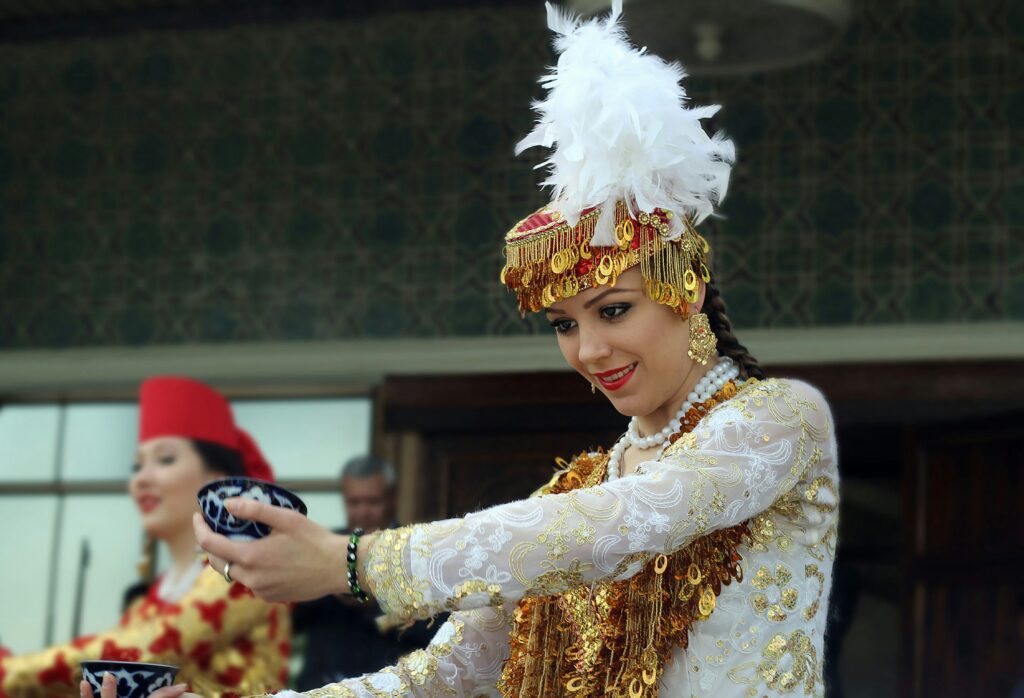
When visiting villages, homes, religious sites, or cultural events, travelers should dress appropriately, ask before photographing people, respect private spaces, and follow local guidance.
When staying with a family or visiting a yurt, simple gestures such as accepting hospitality respectfully and showing interest in local traditions can help create a positive cultural exchange.
Why Choose a Nomadic Culture Tour in Kyrgyzstan
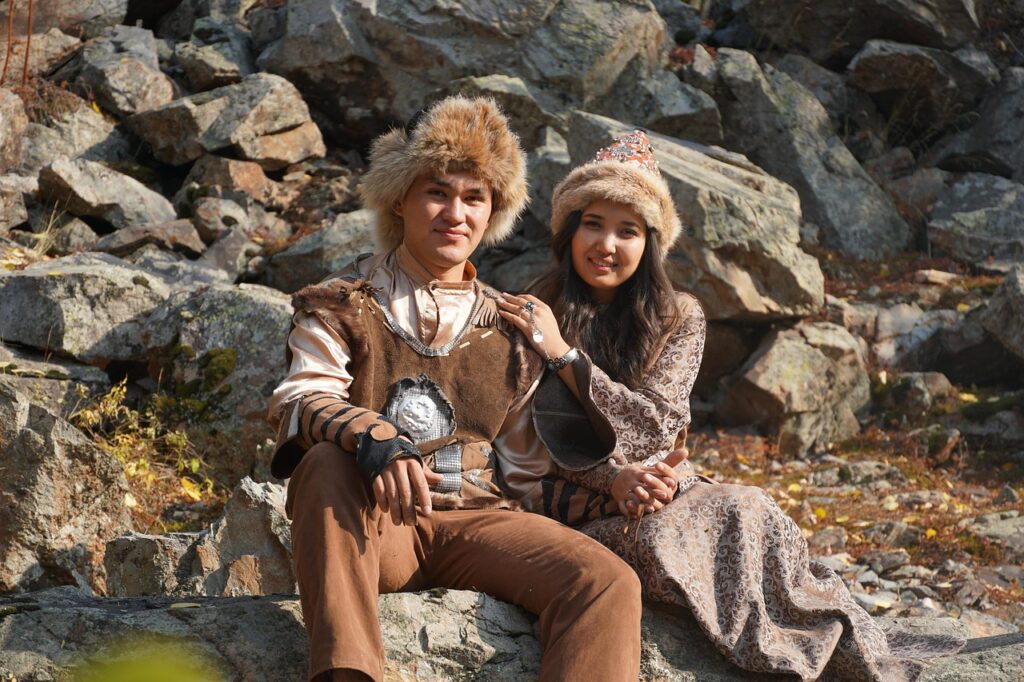
A nomadic culture tour in Kyrgyzstan offers more than visits to museums and historical monuments.
It allows travelers to experience living traditions through food, hospitality, horses, yurts, crafts, music, and everyday life.
You can travel from the modern streets of Bishkek to remote mountain pastures, stay in a traditional yurt beside an alpine lake, meet local families, ride horses across the countryside, and discover the historical routes that connected Kyrgyzstan with the wider Silk Road world.
For travelers interested in culture, history, nature, and authentic experiences, Kyrgyzstan provides many different ways to explore its heritage.

Best Cultural Destinations in Kyrgyzstan
Bishkek
Bishkek is the main starting point for many cultural tours in Kyrgyzstan.
The capital offers museums, monuments, parks, markets, restaurants, cultural institutions, and opportunities to learn about the country’s modern history.
Bishkek can also be used as a starting point for excursions into the surrounding Chuy Valley and mountains.
Osh
Osh is one of the oldest cities in Kyrgyzstan and an important cultural center in southern Kyrgyzstan.
The city has strong connections to the Silk Road and offers a different cultural atmosphere from Bishkek.
A cultural tour of Osh can include Sulaiman-Too, traditional markets, local food, historic neighborhoods, and sites connected with the city’s long trading history.
Karakol
Karakol is an important cultural destination in the Issyk-Kul region.
The city reflects the multicultural history of eastern Kyrgyzstan and offers a mixture of Russian, Kyrgyz, Dungan, and other cultural influences.
Visitors can explore local food traditions, historic architecture, markets, and cultural attractions while using Karakol as a base for nearby mountain adventures.
Kochkor
Kochkor is one of the most popular destinations for travelers interested in Kyrgyz handicrafts and nomadic culture.
Visitors can learn about felt-making traditions, see traditional carpets, meet local craftspeople, and arrange experiences connected with village life and horseback riding.
Song-Kul
Song-Kul offers one of the most recognizable nomadic landscapes in Kyrgyzstan.
Summer pastures, yurts, horses, livestock, and mountain scenery come together around the lake, creating opportunities for cultural immersion and outdoor travel.
Naryn
Naryn is located in the heart of Kyrgyzstan and is an important gateway to several cultural and natural destinations.
The region offers opportunities to explore traditional rural life, mountain landscapes, historic caravan routes, and destinations such as Tash Rabat.
Tash Rabat
Tash Rabat is a historic stone caravanserai located in a remote mountain valley.
Its location along historic Silk Road routes makes it an important destination for travelers interested in the relationship between Kyrgyzstan’s nomadic culture and its history as a crossroads for trade and travel.
Alay Valley
The Alay Valley in southern Kyrgyzstan offers dramatic mountain scenery alongside opportunities to experience rural life and local traditions.
The region can be explored through village visits, homestays, horseback riding, trekking, and cultural experiences.


