If you’ve ever visited Kyrgyzstan, you’ve probably noticed the colorful felt carpets decorating yurts, guesthouses, and local handicraft shops. Known for their striking patterns and centuries-old craftsmanship, Kyrgyz rugs are among the country’s most treasured cultural symbols. More than just floor coverings, these handmade masterpieces tell stories of nomadic life, family traditions, and the natural landscapes of Central Asia.
Whether you’re planning a trip to Kyrgyzstan, searching for a unique home décor piece, or simply interested in traditional textile arts, this guide will introduce you to the fascinating world of Kyrgyzstan carpets.
What Is a Kyrgyz Rug?
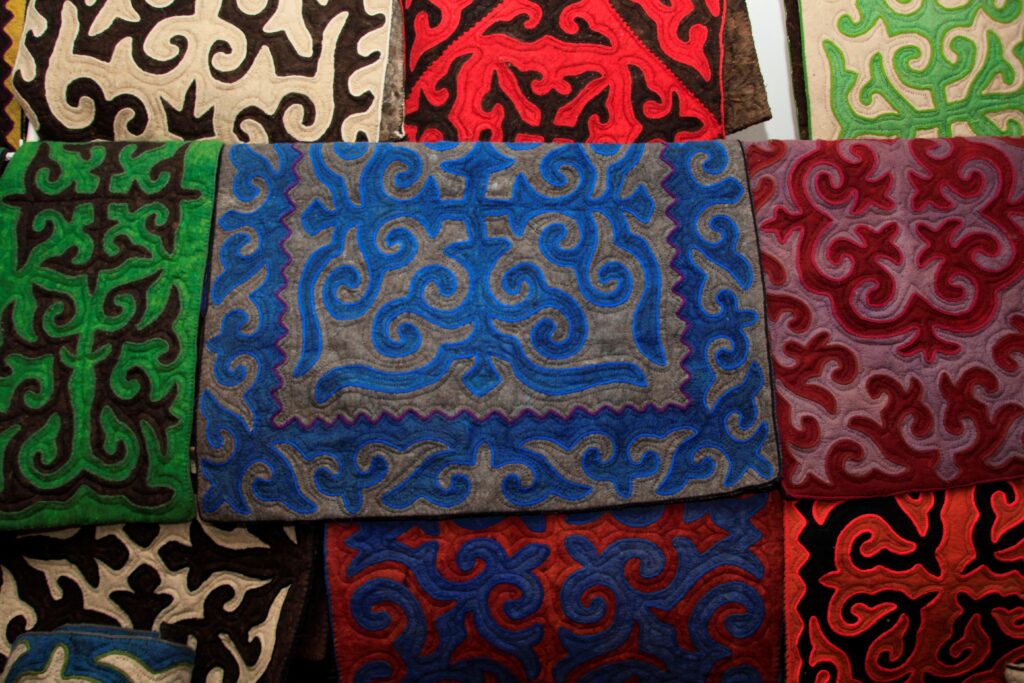
A Kyrgyz rug is a handmade felt carpet traditionally crafted from sheep’s wool using techniques passed down through generations of nomadic families. Unlike woven Persian or Turkish carpets, most traditional Kyrgyz carpets are made from felt, making them warm, durable, and perfectly suited to life in the mountains and steppes.
For centuries, Kyrgyz families used these rugs to insulate their yurts, decorate living spaces, and mark important family events such as weddings and celebrations. Today, they remain one of the most authentic souvenirs visitors can bring home from Kyrgyzstan.
The two most famous types of Kyrgyz rugs are:
- Shyrdak
- Ala Kiyiz
Both are considered masterpieces of Kyrgyz handicraft traditions and continue to be produced by skilled artisans throughout the country.
The History of Kyrgyzstan Carpets
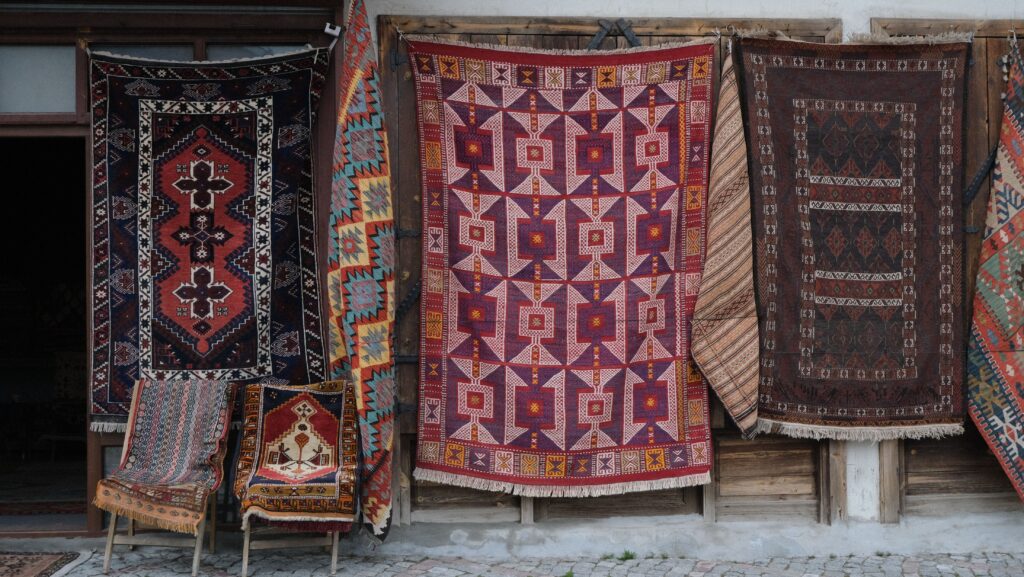
The story of Kyrgyz carpets begins with the nomadic lifestyle that shaped Central Asia for thousands of years. Long before modern houses existed in the region, Kyrgyz people lived in portable felt dwellings known as yurts.
Because yurts needed insulation against harsh mountain winters, felt became one of the most important materials in daily life. Families processed wool from their sheep and transformed it into carpets, wall hangings, bedding, and other household items.
Over time, carpet-making evolved into a respected art form. Women became the guardians of these traditions, teaching daughters and granddaughters the techniques and symbolic meanings behind each design.
Today, traditional felt-making remains an essential part of Kyrgyz cultural identity and is recognized internationally as an important element of the country’s intangible cultural heritage.
Shyrdak: The Most Famous Kyrgyz Rug
When people think of a traditional Kyrgyz rug, they are usually thinking of a Shyrdak.
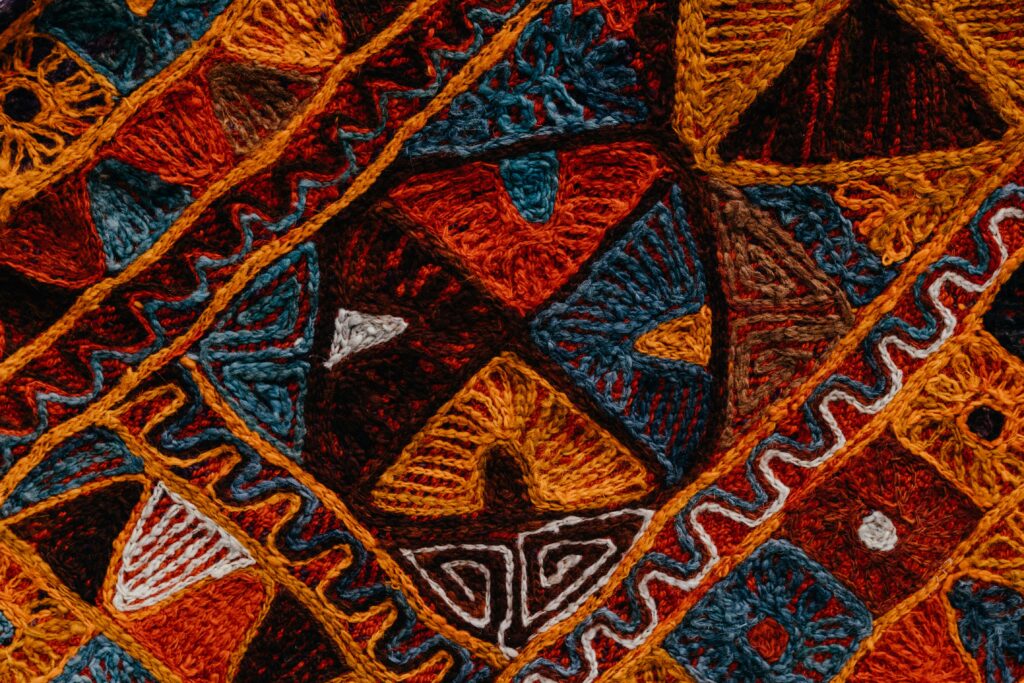
A Shyrdak is created using a complex appliqué technique that involves cutting mirrored patterns from layers of felt and sewing them together to create intricate symmetrical designs. The process requires exceptional skill and attention to detail.
Creating a large Shyrdak can take several weeks or even months, depending on the complexity of the design.
What makes Shyrdak rugs unique?
- Bold geometric patterns
- Bright contrasting colors
- Exceptional durability
- Handmade construction
- Deep cultural symbolism
Because of the labor involved, authentic Shyrdak carpets are highly valued by collectors, travelers, and interior designers worldwide.
Ala Kiyiz: The Ancient Felt Carpet
Ala Kiyiz is often considered the older cousin of the Shyrdak.
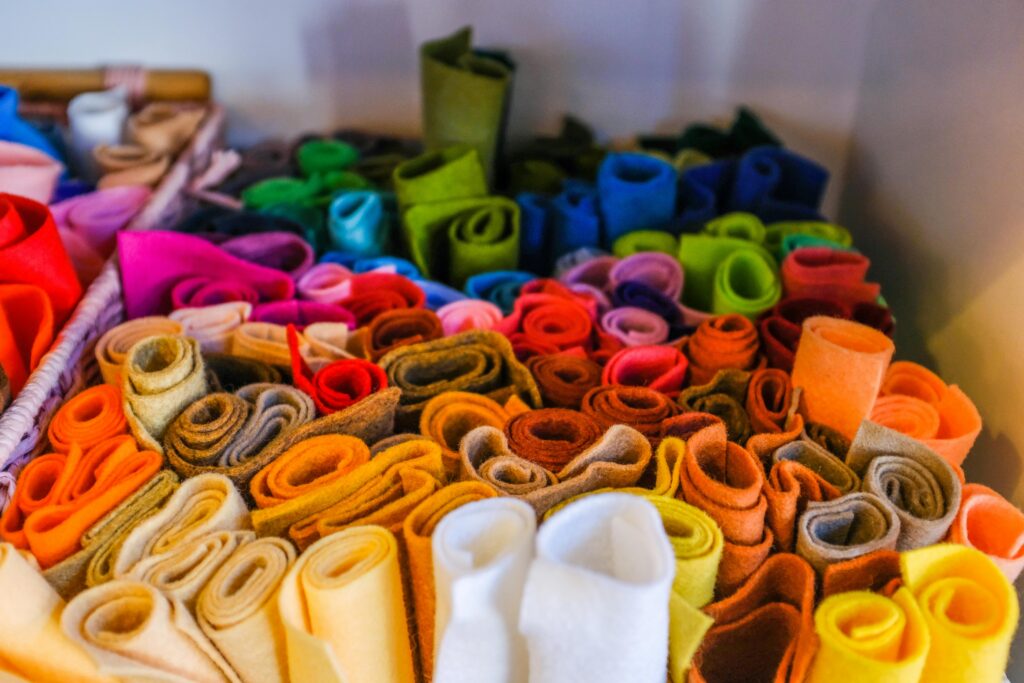
Instead of cutting and sewing separate pieces of felt together, artisans create Ala Kiyiz by arranging colored wool directly onto a base layer before the felting process begins. As the felt is rolled and compressed, the colors blend naturally into the final design.
The result is softer and more fluid than the bold, graphic appearance of a Shyrdak.
Characteristics of Ala Kiyiz carpets include:
- Organic patterns
- Natural color transitions
- Soft artistic appearance
- Ancient production methods
Many Kyrgyz families still use Ala Kiyiz rugs in their homes and yurts today.
The Meaning Behind Kyrgyz Rug Patterns
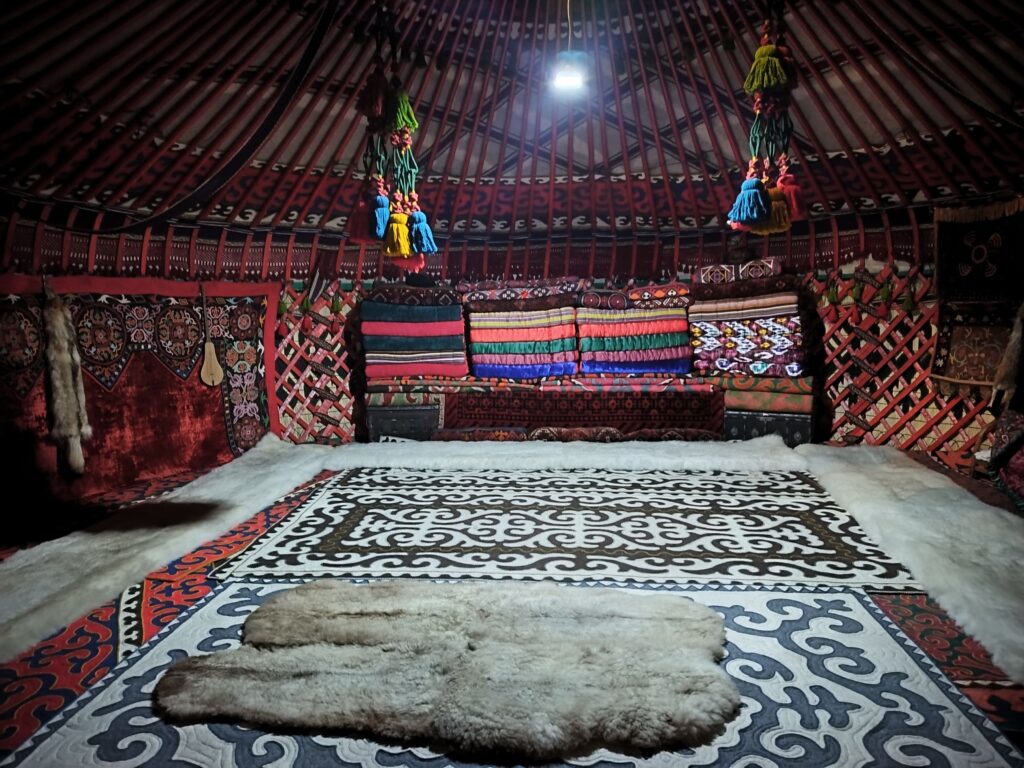
One of the most fascinating aspects of Kyrgyz carpets is the symbolism hidden within their designs.
Traditional motifs often represent elements of nature, family prosperity, and nomadic life.
Ram’s Horn Pattern
Known locally as “kochkor muyuz,” this symbol represents:
- Strength
- Wealth
- Prosperity
- Success
It is one of the most common motifs found in Shyrdak rugs.
Mountain Symbols
The majestic Tian Shan Mountains dominate much of Kyrgyzstan’s landscape. Many carpet designs include stylized mountain shapes to symbolize:
- Homeland
- Freedom
- Nature
- Endurance
Animal Motifs
Birds, horses, and other animals frequently appear in traditional designs, representing protection, fertility, and good fortune.
Each artisan may interpret these symbols differently, making every handmade carpet unique.
How a Shyrdak Rug Is Made
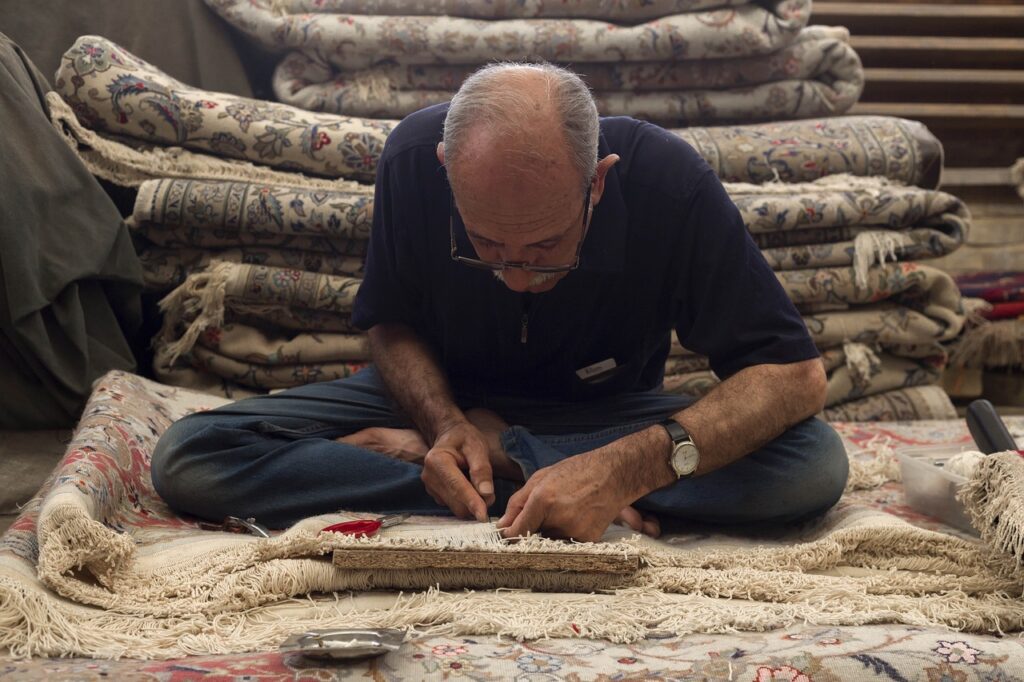
Creating a traditional Shyrdak is a labor-intensive process that requires patience and experience.
Step 1: Sheep Shearing
The process begins with collecting wool from local sheep.
Step 2: Cleaning the Wool
The wool is washed and prepared for felting.
Step 3: Felting
The fibers are compressed using moisture, heat, and pressure to create thick felt sheets.
Step 4: Dyeing
Natural or modern dyes are used to produce vibrant colors.
Step 5: Pattern Cutting
Artisans carefully cut matching designs from contrasting felt layers.
Step 6: Stitching
The pieces are sewn together by hand to create symmetrical motifs.
Step 7: Finishing
The finished carpet is cleaned, trimmed, and prepared for use.
The entire process showcases skills that have been preserved for centuries.
Why Kyrgyz Rugs Are So Special
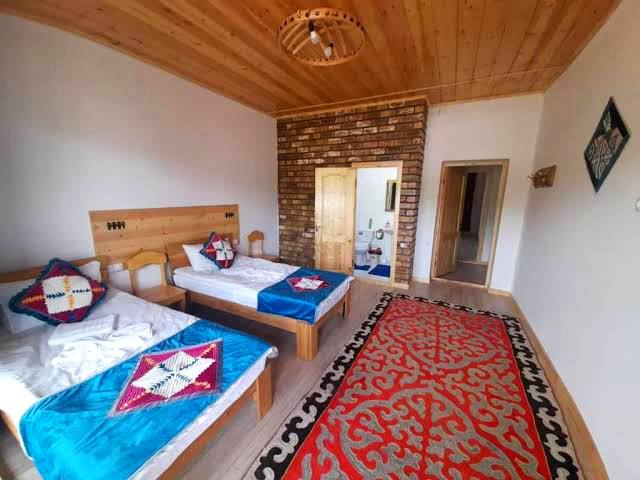
Unlike mass-produced decorative carpets, authentic Kyrgyz rugs offer a combination of cultural value and practical benefits.
Handmade Heritage
Each carpet represents hours of craftsmanship and generations of tradition.
Sustainable Materials
Most rugs are made from natural wool, making them environmentally friendly.
Long Lifespan
A quality Shyrdak can remain beautiful and functional for decades.
Unique Design
No two handmade rugs are exactly alike.
Cultural Connection
Buying a traditional rug directly supports local artisans and helps preserve ancient crafts.
How to Identify an Authentic Kyrgyz Rug
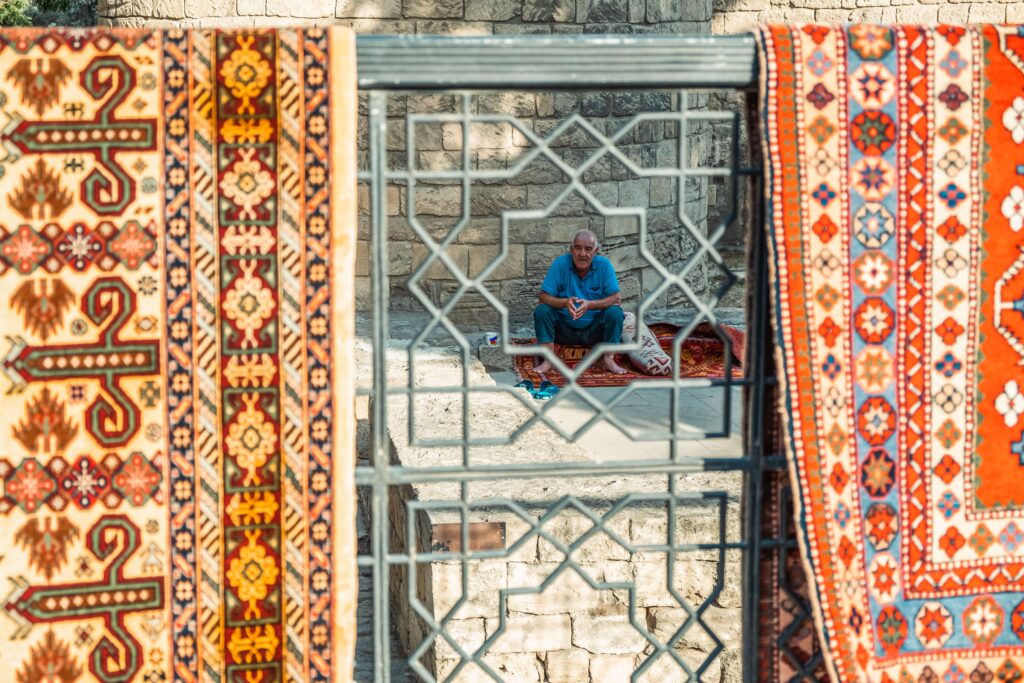
As interest in Central Asian handicrafts grows, travelers should know how to distinguish genuine products from machine-made imitations.
Look for:
✓ Hand stitching
✓ Dense natural wool felt
✓ Traditional patterns
✓ Slight imperfections
✓ Local artisan provenance
Avoid products made from synthetic materials or those with perfectly uniform machine-made designs.
Authentic craftsmanship is rarely flawless—and that’s exactly what makes it special.
Where to Buy a Kyrgyz Rug in Kyrgyzstan
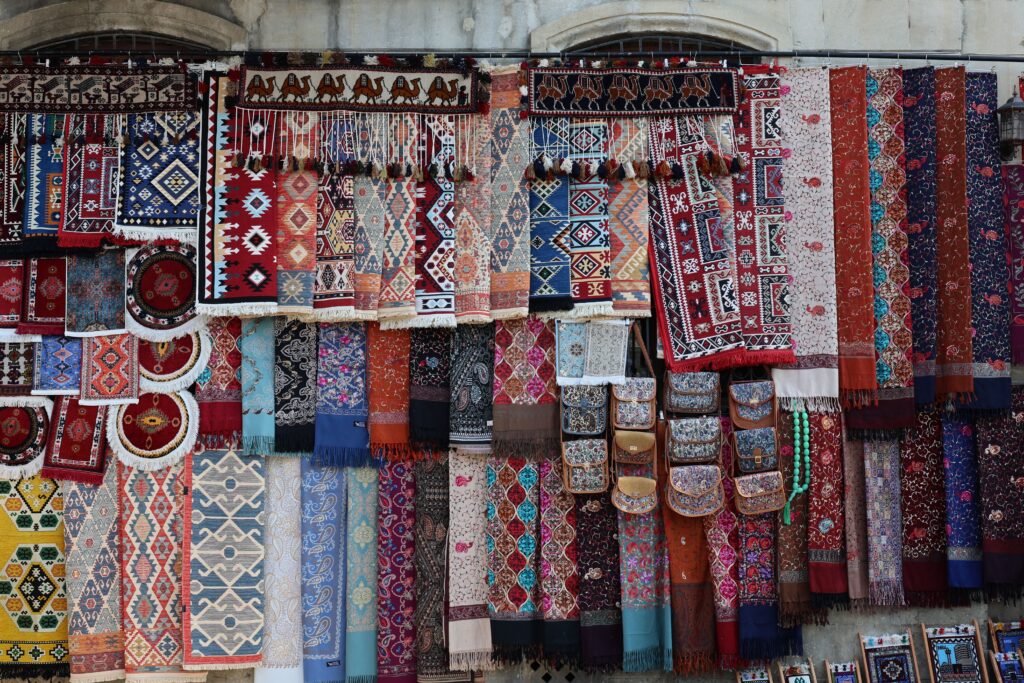
Visitors can find beautiful carpets throughout the country, but some destinations are particularly famous for traditional handicrafts.
Bishkek
The capital city offers the largest selection of carpets.
Popular shopping locations include:
- Bazar d'Osh
- Artisan workshops
- Fair-trade handicraft stores
Kochkor
Often considered the heart of Kyrgyz handicrafts, Kochkor is home to skilled women artisans who continue traditional felt-making practices.
Bokonbaevo
Located on the southern shore of Issyk-Kul Lake, Bokonbaevo is known for community-based tourism experiences and handicraft cooperatives.
Purchasing directly from artisans not only ensures authenticity but also supports local families.
How Much Does a Kyrgyz Rug Cost?
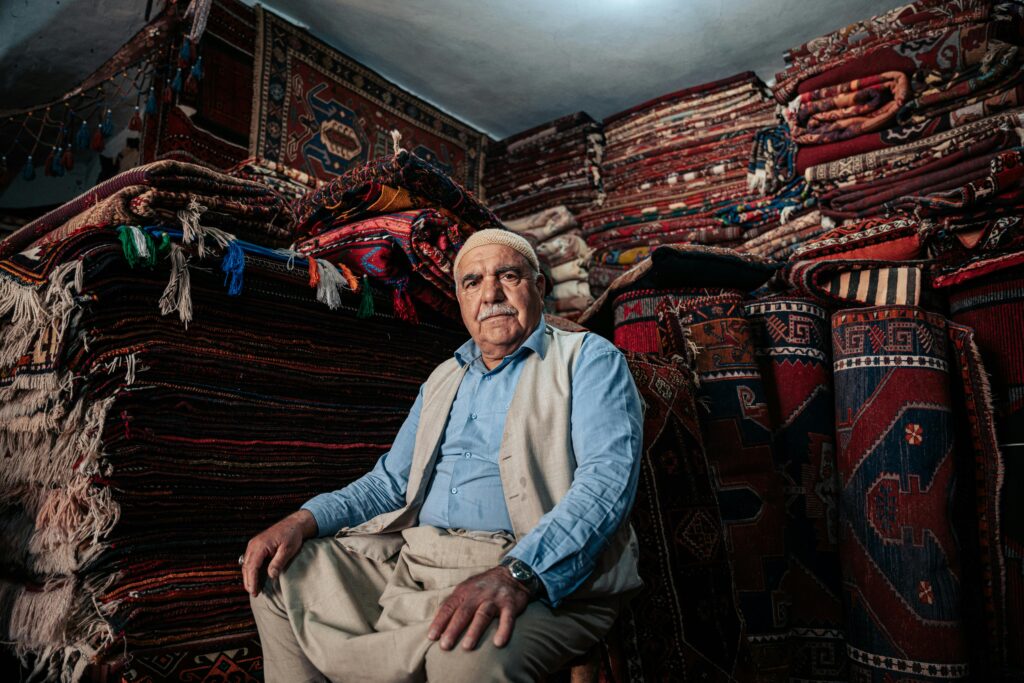
Prices vary according to size, quality, and complexity.
Approximate price ranges include:
- Small rugs: $50–150
- Medium rugs: $150–500
- Large rugs: $500–1,500+
Custom-made pieces or museum-quality carpets can cost significantly more.
When evaluating prices, remember that every authentic rug represents weeks or months of skilled manual labor.
Can You Bring a Kyrgyz Rug Home?
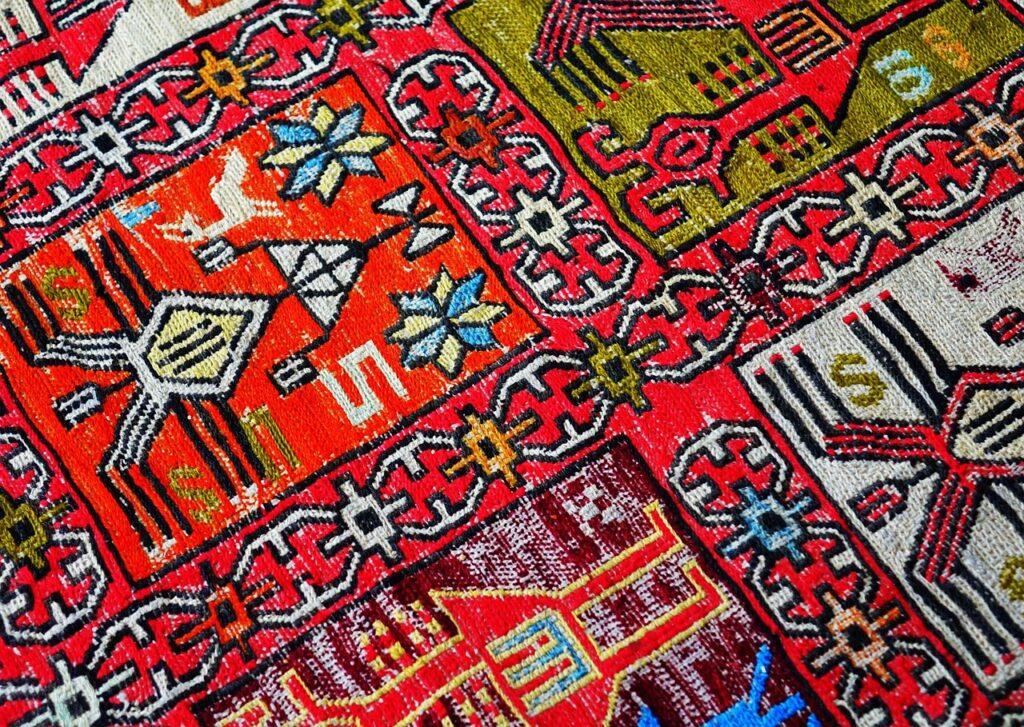
Yes. Many travelers purchase carpets during their visit and transport them home without difficulty.
Most rugs can be:
- Rolled for checked baggage
- Shipped internationally
- Packed as oversized luggage
Before purchasing a particularly large carpet, it is wise to check your airline’s baggage regulations and customs requirements.
Why a Kyrgyz Rug Is the Perfect Souvenir
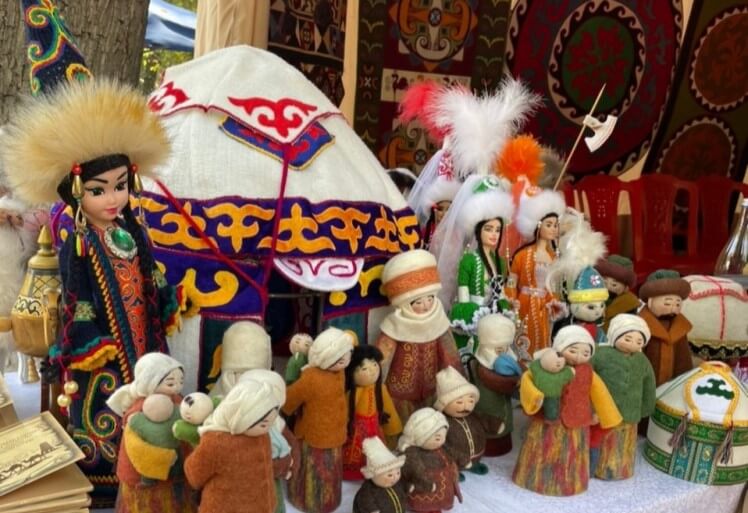
Many kyrgyz souvenirs are forgotten after a trip ends. A traditional Kyrgyz rug is different.
Every time you look at it, you’ll remember mountain landscapes, nomadic traditions, and the warm hospitality of the Kyrgyz people.
Whether displayed on a floor, wall, or furniture, a handmade Kyrgyz carpet is both a practical household item and a piece of living history.
For travelers seeking an authentic connection to Kyrgyz culture, few purchases are more meaningful than a handmade Shyrdak or Ala Kiyiz rug.