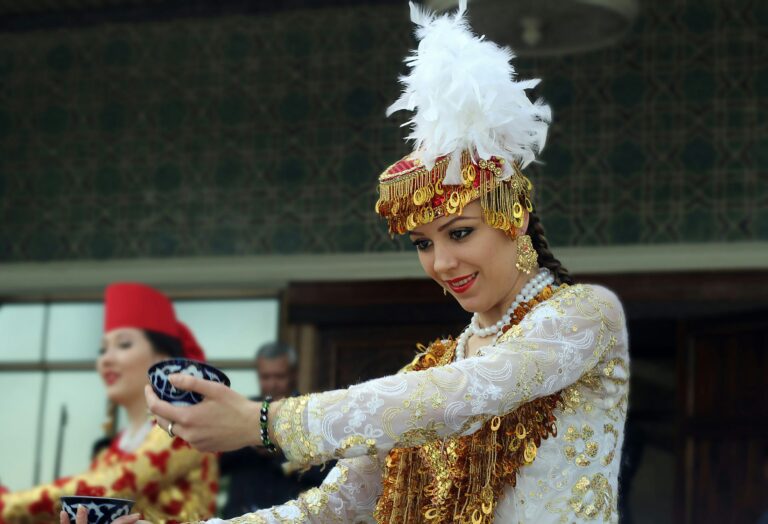
The Kyrgyzstan kalpak hat, also known as the Ak-Kalpak, is one of the most important cultural symbols of the Kyrgyz people. More than just traditional clothing, it represents identity, heritage, and respect for nature and ancestors.
Every year on National Hat Day in Kyrgyzstan (March 5), this iconic felt hat takes center stage across the country, celebrating centuries of nomadic tradition and craftsmanship.
Are you travelling to Central Asia? Discover private tours to 5 stans with us!
What is the Kyrgyz Kalpak Hat (Ak-Kalpak)?
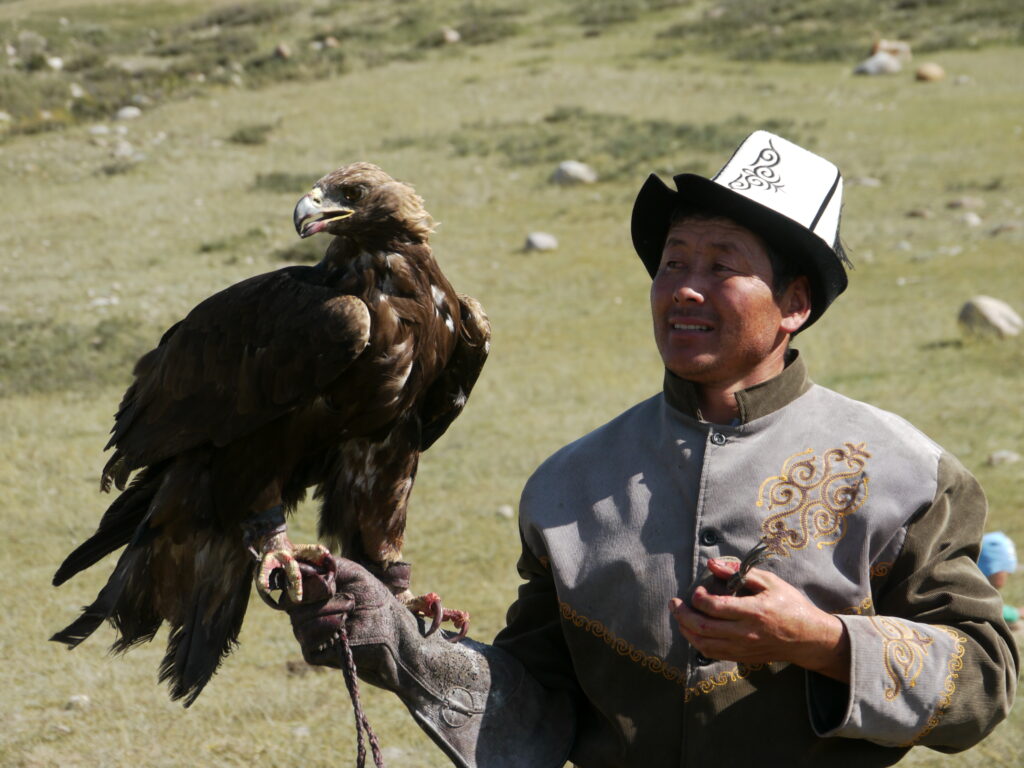
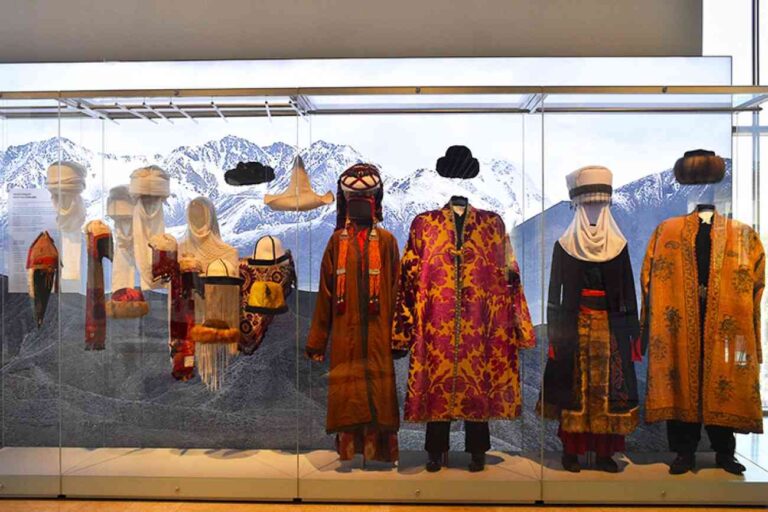
The Ak-Kalpak is a traditional Kyrgyz felt hat made from white sheep wool. It is typically worn by men, especially during cultural events, ceremonies, and national celebrations.
The word “Ak” means white, symbolizing purity and honesty, while “Kalpak” refers to a traditional form of headwear common among Turkic nomadic peoples.
Unlike ordinary hats, the kalpak is deeply symbolic and carries cultural meaning that reflects Kyrgyz identity and worldview.
History of the Kalpak in Kyrgyzstan
The kalpak has been part of Kyrgyz culture for centuries, originating from the nomadic lifestyle of Central Asian tribes.
Historically, it was designed to:
- Protect from harsh mountain weather
- Represent social and cultural identity
- Distinguish Kyrgyz people from neighboring nomadic groups
Over time, the kalpak evolved from everyday wear into a national symbol of pride, now worn during holidays, official ceremonies, and cultural festivals.
Today, the kalpak is officially recognized as part of Kyrgyz cultural heritage and is strongly associated with national identity in Kyrgyzstan.
Symbolism of the Ak-Kalpak Hat
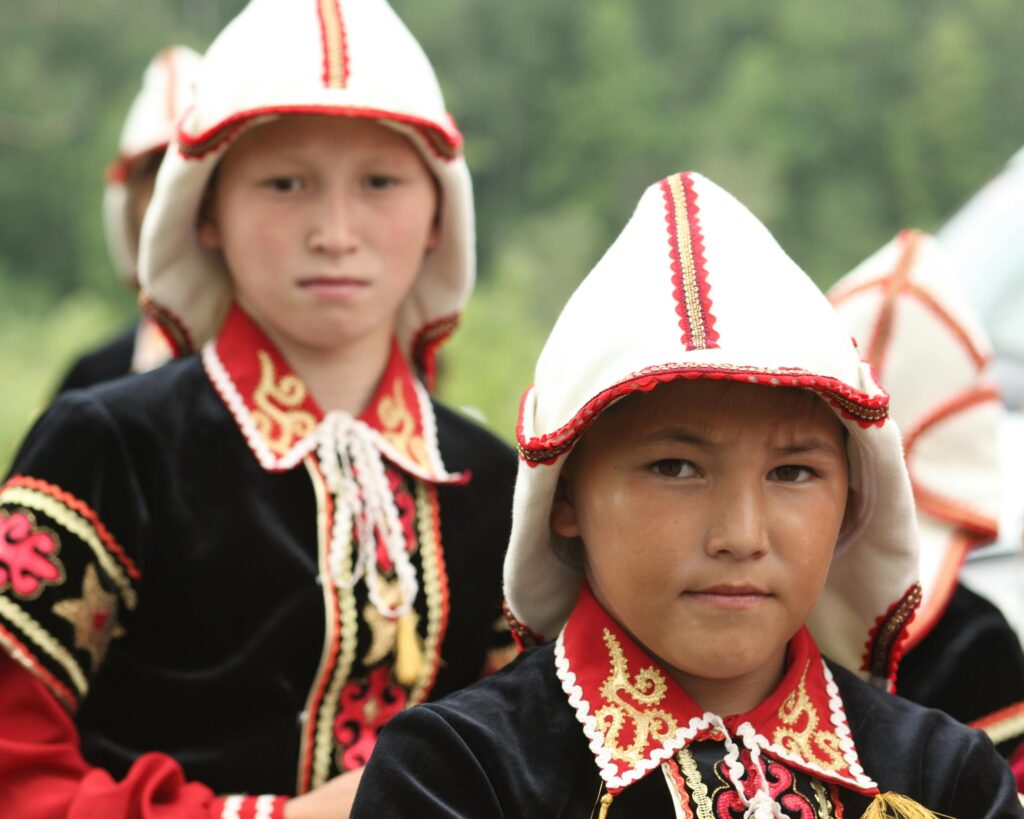
The design of the kalpak is rich in meaning. Every detail represents elements of Kyrgyz philosophy and the connection to nature.
1. White Color
White symbolizes:
- Purity of heart
- Peace and honesty
- Snow-covered mountains of Kyrgyzstan
2. Four Sides of the Hat
The four upward folds represent:
- Earth
- Water
- Fire
- Air
These elements reflect harmony with nature and the nomadic worldview.
3. Mountain Shape
The upward shape resembles the peaks of the Tian Shan mountains, a sacred natural symbol for Kyrgyz people.
4. Felt Material
The hat is made from natural sheep wool felt, representing simplicity, sustainability, and nomadic craftsmanship.
Felt Craftsmanship: How the Kalpak is Made

The kalpak is traditionally handmade using felt, one of the oldest textile techniques in Central Asia.
The process includes:
- Washing and cleaning sheep wool
- Rolling and pressing the wool into thick felt
- Shaping it into a structured hat form
- Drying and decorating it with embroidered patterns
This craft is considered part of the intangible cultural heritage and reflects generations of knowledge passed down through families of artisans.
National Hat Day in Kyrgyzstan
National Hat Day is celebrated every year on March 5 in Kyrgyzstan. It was officially established in 2016 to preserve and promote national traditions.
On this day:
- People wear the kalpak in schools, offices, and public spaces
- Cultural performances and parades are organized
- Media and social networks highlight Kyrgyz heritage
- Young generations are encouraged to value traditional clothing
The celebration has become a powerful symbol of national unity and cultural pride.
Kalpak in Modern Kyrgyz Society
Today, the kalpak is not only traditional wear but also a modern national symbol.
You will see it:
- At weddings and family celebrations
- During official government events
- Worn by elders as a sign of respect
- Featured in tourism campaigns and cultural shows
It is also increasingly popular among younger generations and travelers who visit Kyrgyzstan and want to experience authentic nomadic culture.
Can Tourists Wear a Kalpak?
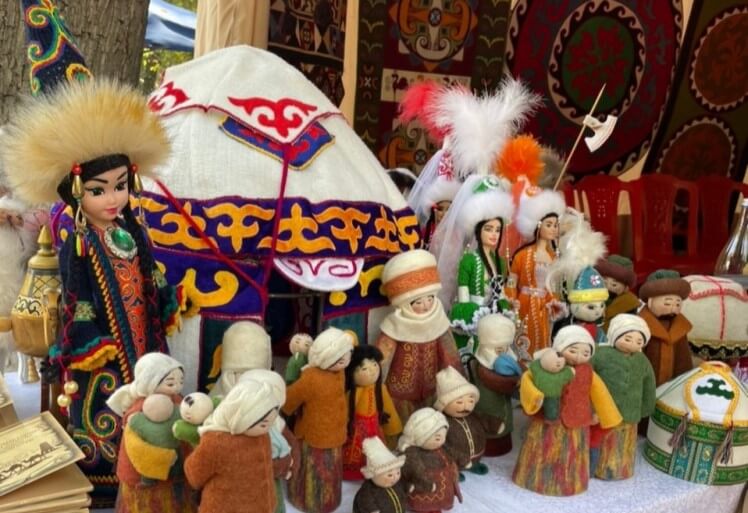
Yes — tourists are welcome to wear the kalpak in Kyrgyzstan.
It is often offered as:
- A welcome gesture in guesthouses or tours
- A souvenir in local markets
- A photo experience in cultural tours
However, it should be worn respectfully, especially during ceremonies or cultural events.
Wearing a kalpak is seen as a sign of appreciation for Kyrgyz culture, not just a costume.
Why the Kalpak is Important Today
The kalpak remains one of the strongest national symbols because it represents:
- Cultural identity
- Historical continuity
- Respect for ancestors
- Connection to nature and mountains
- Unity of the Kyrgyz people
Even in modern cities, the kalpak continues to be worn with pride, especially during national holidays.
Conclusion
Les Kyrgyzstan kalpak hat (Ak-Kalpak) is more than traditional clothing — it is a living symbol of national identity, history, and pride. From its felt craftsmanship to its deep symbolic meaning, the kalpak continues to connect modern Kyrgyz society with its nomadic roots.
Celebrated every year on National Hat Day (March 5), it remains one of the most recognizable cultural symbols in Central Asia and a must-know tradition for anyone visiting Kyrgyzstan.