Топ-100

DocTour Kirguistán

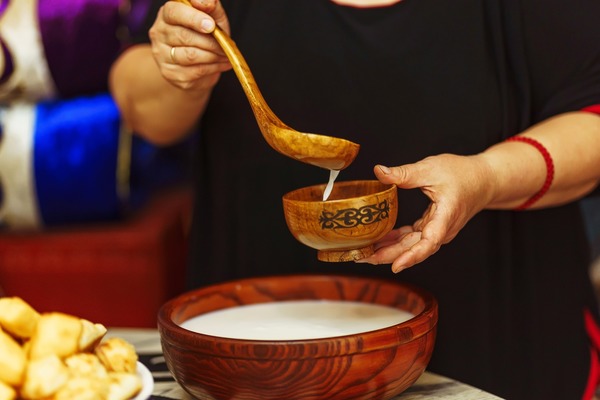
kumis the horse milk

Kumis Therapy in Kyrgyzstan: The Ancient Secret to Health and Longevity

In the heart of Central Asia, where nomads have thrived for centuries in harsh mountain climates, kumis (also spelled kymys or kymus) has been more than just a beverage – it’s been a medicine, a tradition, and a way of life.

In this post, we explore what is kumis drink, its unique fermentation process, kumis benefits for your health, and why kumis therapy is becoming a sought-after natural treatment for gut health, immunity, and more.

Looking for private tour to Kyrgyzstan? Póngase en contacto con nosotros and we will arrange your dream journey.

What Is Kimiz Drink?

Kumis is a fermented dairy drink made from mare’s milk (female horse), which undergoes a natural lactic acid and alcoholic fermentation. Known by different names, kumis in English, kymys/kymus in Kyrgyz, кумыс in Russian, this drink has been a staple of nomadic diets in Kyrgyzstan, Kazakhstan, and Mongolia for over a thousand years.

Unlike cow milk, mare’s milk is naturally low in fat and high in lactose, which makes it suitable for fermentation into a slightly fizzy, sour, and mildly alcoholic beverage (usually around 1–2.5% ABV).

Kumis Benefits: Why People Drink It

Kumis is not just a cultural icon – it’s a functional food with real health benefits. Traditionally used to boost the immune system, aid digestion, and treat respiratory conditions, kumis therapy is now getting international attention as a form of natural probiotic treatment.

1. Rich in Probiotics

The fermentation process produces beneficial bacteria like Lactobacillus, which help:

  • Improve gut microbiome
  • Enhance nutrient absorption
  • Fight harmful pathogens

2. Supports Immunity

Kumis is often used to recover from respiratory illnesses and general fatigue, especially in spring and early summer.

3. Aids Digestion & Detoxification

Helps cleanse the liver and intestines and is even used for post-antibiotic recovery.

4. High in Nutrients

Contains vitamins A, D, E, B1, B2, B12, essential fatty acids, calcium, and natural enzymes.

5. Menebalkan Kumis (Strengthening the Body)

In traditional medicine, menebalkan kumis refers to using kumis to restore energy, increase muscle tone, and improve overall vitality after illness, childbirth, or seasonal fatigue.


Kumis vs. Kumis Yogurt: What’s the Difference?

Many confuse kumis with kumis yogurt or kefir, but they are quite different:

FeatureKumisYogurtKefir
Made fromMare’s milkCow/sheep milkCow/goat milk
TextureThin, liquidThick, creamySlightly fizzy
Alcohol~1–2.5%NoneTrace amounts
ProbioticsHighModerateHigh
Lactose contentLower after fermentationMediumLow

Kumis yogurt is not a traditional term some commercial producers use cow milk to imitate kumis texture, but it lacks the authentic microbial profile of real fermented mare’s milk.

Kumis Therapy: The Treatment Approach

In Kyrgyzstan and Kazakhstan, kumis therapy (or kymys emdeesi in Kyrgyz) is used in specialized health retreats located in mountain pastures called “jailoo.” Patients stay in yurts, breathe clean alpine air, and drink kumis several times a day in small, prescribed doses.

Typical Kumis Therapy Program:

  • Location: High-altitude pasture (above 2000m)
  • Duration: 7 to 21 days
  • Kumis Intake: 200–600 ml per day in multiple doses
  • Activities: Rest, hiking, horse riding, herbal treatments
  • Diet: Clean, simple food with no alcohol or processed sugar

Kumis therapy is believed to help treat:

  • Chronic bronchitis
  • Tuberculosis (supportive only)
  • Fatigue, insomnia
  • Digestive disorders
  • Anemia and vitamin deficiencies

Where to Try Kumis Therapy

Best regions in Kyrgyzstan:

  • Kochkor Jailoo – Popular among domestic travelers
  • Kilemche & Son-Kul – Beautiful pastures with yurt stays
  • Naryn Region – Traditional treatment in pristine mountain air

Many travel agencies offer yurt-based kumis therapy experiences from May to September, often combined with horseback riding and hiking.

How to Drink Kumis the Right Way

Kumis is best consumed:

  • Chilled, in small sips
  • Early morning or midday, never late at night
  • On an empty stomach, followed by rest
  • Avoid mixing with spicy or greasy foods

For first-timers, the taste might be unusual – sour, fizzy, slightly bitter, and alcoholic. But once your body adjusts, many report a light, energized feeling within days.

Who Should Avoid Kumis?

While kumis is generally safe, people with the following conditions should consult a doctor:

  • Severe lactose intolerance
  • Alcohol sensitivity
  • Pregnancy or breastfeeding (moderation advised)
  • Autoimmune disorders (individual response may vary)

Final Thoughts

Whether you call it kumis, kymys, or kymus, this ancient drink continues to thrive in the 21st century thanks to its powerful probiotic profile, deep cultural roots, and holistic healing qualities.

Kumis therapy isn’t just a wellness trend – it’s a time-tested method of natural treatment. For those seeking digestive health, energy restoration, or even just cultural immersion, trying kumis in the highlands of Kyrgyzstan could be the health journey you didn’t know you needed.

FAQ: Kumis Therapy & Fermented Mare’s Milk

What is kumis drink?

Kumis is a fermented mare’s milk beverage, lightly alcoholic, rich in probiotics, and traditionally consumed in Central Asia for health and vitality.

What are kumis benefits?

Kumis helps improve gut health, digestion, immunity, and energy levels. It’s also used in traditional therapy to recover from respiratory issues and physical weakness.

What is the difference between kumis yogurt and kumis?

Kumis is thinner, fizzy, and alcoholic, made from mare’s milk. Yogurt is thicker, non-alcoholic, and usually made from cow milk. They are not the same.

What is kumis treatment?

Kumis treatment, or kumis therapy, is a natural healing retreat where patients drink fermented mare’s milk in high-altitude environments under supervision. It’s used for immune recovery and digestive health.

Where can I try kumis therapy?

You can try kumis therapy in Kyrgyzstan, especially in mountain pastures near Kochkor, Naryn, and Son-Kul, usually between May and September.

Learn more

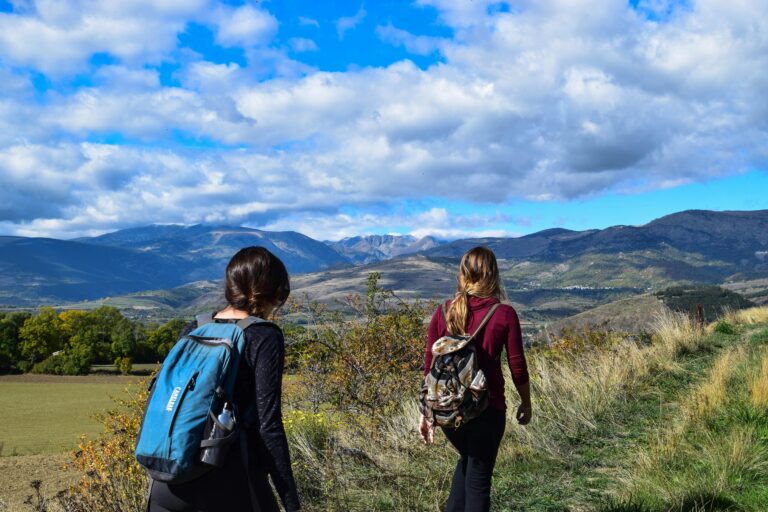
What to Pack for Hiking in Kyrgyzstan: The Complete Trekking Gear Guide for Beginners

Picture yourself standing beside an alpine lake at 3,500 meters, surrounded by snow-capped peaks. The air is crisp, the views are unforgettable, and then the weather changes within minutes. Sunshine...
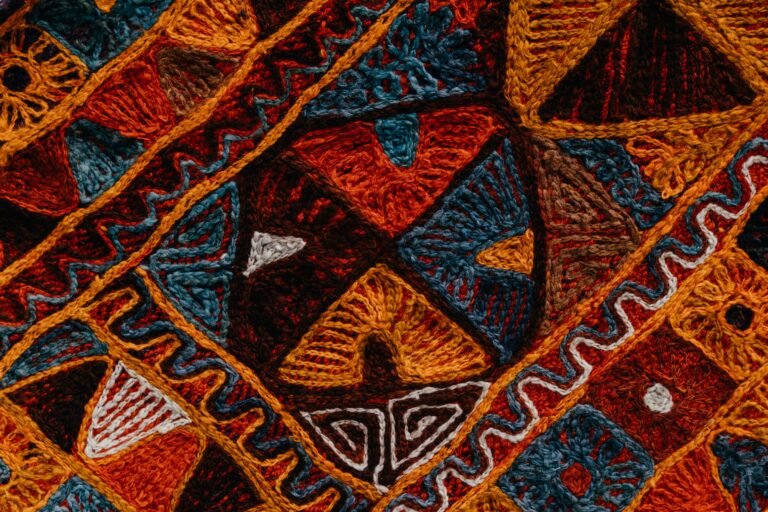
Kyrgyz Rug Guide: Discover the Art of Traditional Kyrgyzstan Carpets

If you’ve ever visited Kyrgyzstan, you’ve probably noticed the colorful felt carpets decorating yurts, guesthouses, and local handicraft shops. Known for their striking patterns and...

Is Uzbekistan Safe to Visit in 2026? Complete Travel Safety Guide.

Uzbekistan has rapidly become one of the most talked-about destinations along the historic Silk Road. With its turquoise domes of Samarkand, ancient alleys of Bukhara, and vibrant streets of Tashkent...
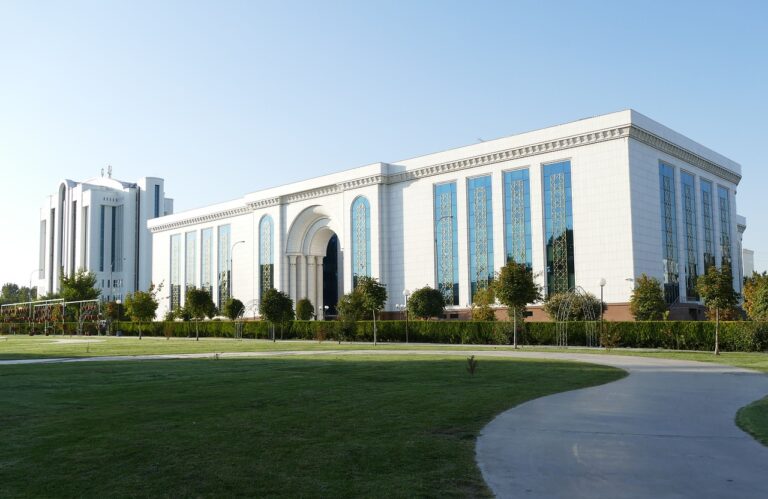
Central Asia Capitals: A Complete Guide to the Five Capital Cities

Central Asia is one of the world’s most fascinating and least explored regions. Stretching across the heart of Eurasia, it consists of five independent countries: Kazakhstan, Kyrgyzstan...
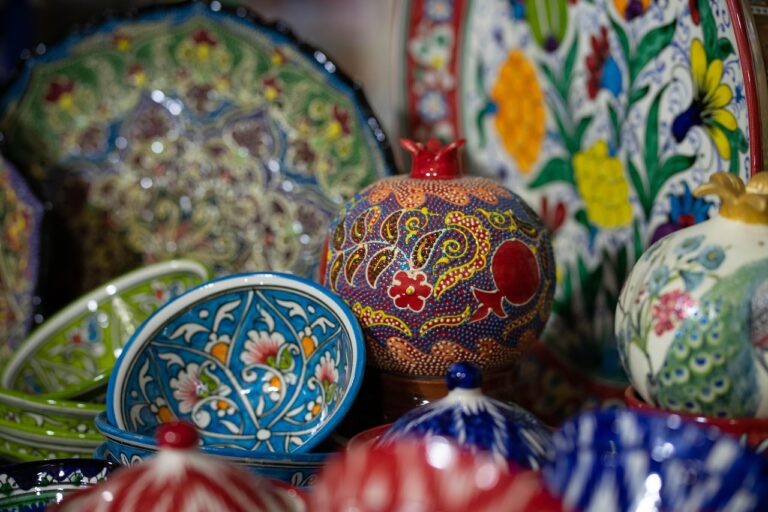
What to Buy in Uzbekistan: 20+ Souvenirs Worth Bringing Home

Uzbekistan is one of the most fascinating shopping destinations along the ancient Silk Road. For centuries, merchants, craftsmen, and travelers exchanged goods, ideas, and traditions in the bustling...
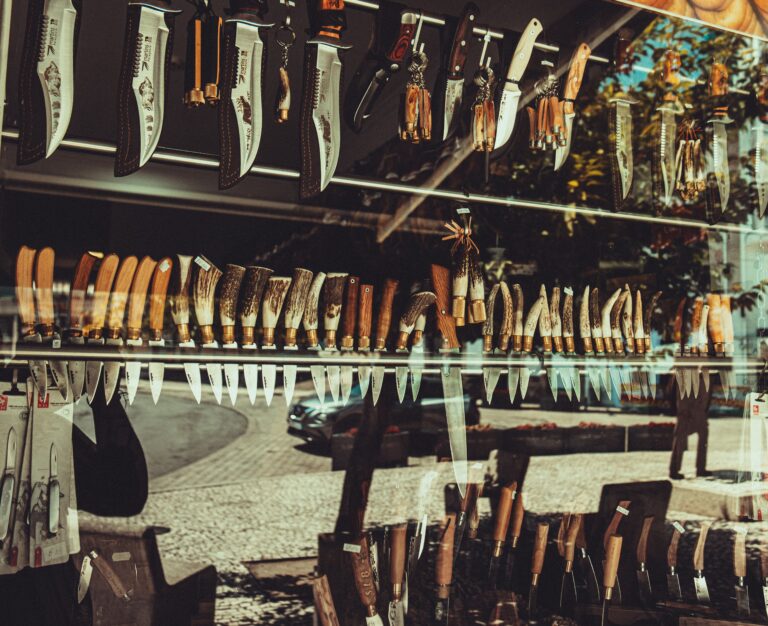
Uzbekistan Knives: Traditional Pchak Craftsmanship

If you are planning an Uzbekistan tour package, exploring the country’s rich handicraft traditions should be just as important as visiting its famous Silk Road cities. Among Uzbekistan’s...
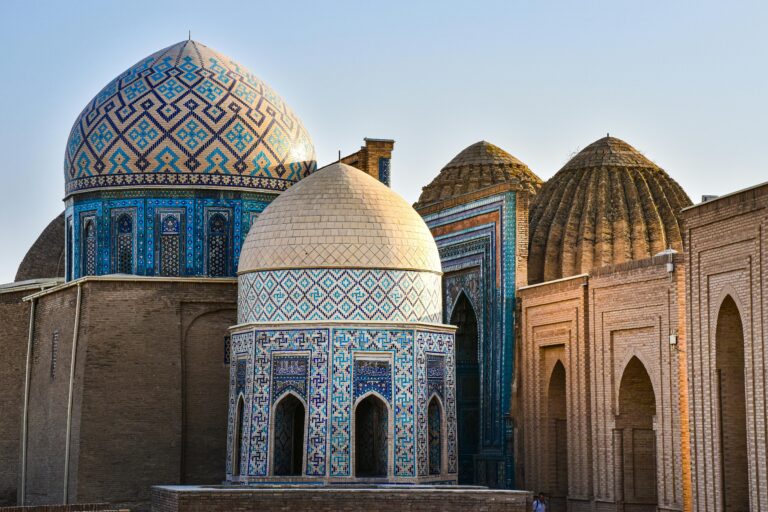
What Is Uzbekistan Known For?

Uzbekistan is known for its ancient Silk Road cities, stunning Islamic architecture, colorful bazaars, and delicious traditional food. Located in the heart of Central Asia, Uzbekistan has become one...

Kyrgyzstan Hat (Ak-Kalpak): Meaning, History & National Hat Day in Kyrgyz Culture

The Kyrgyzstan kalpak hat, also known as the Ak-Kalpak, is one of the most important cultural symbols of the Kyrgyz people. More than just traditional clothing, it represents identity, heritage, and...

Is Kyrgyzstan a Safe Country to Visit? Honest Travel Safety Guide 2026.

Kyrgyzstan is generally considered one of the safest countries for tourists in Central Asia, especially for nature lovers, adventure travelers, and cultural explorers. Every year, more travelers...

Deja un comentario

Tu dirección de correo electrónico no será publicada. Los campos obligatorios están marcados con *

es_ES
× Сhat