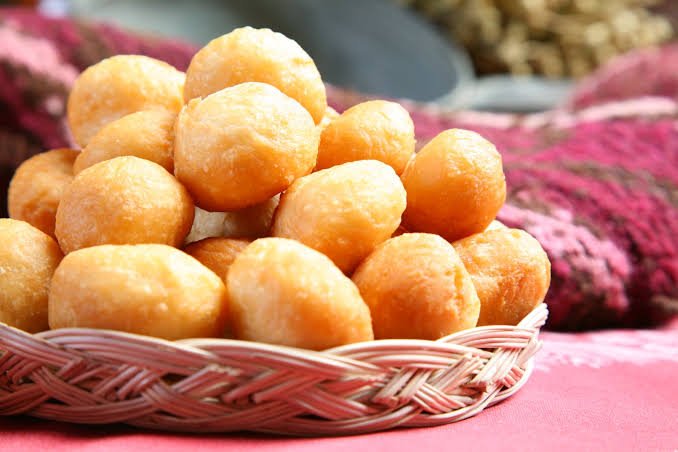
Kazajstán is famous for its vast steppes, breathtaking mountains, rich nomadic heritage, and warm hospitality. But there is another delicious side of the country worth discovering: its traditional sweets. Kazakh desserts reflect centuries of culinary traditions, local ingredients, and the importance of sharing food with family and guests.
Sweet desserts
From golden fried dough and honey-coated treats to nourishing millet sweets and traditional dairy delicacies, Kazakhstan’s dessert culture offers something for every curious traveler.
Unlike many European desserts, traditional Kazakh sweets often feature simple ingredients such as milk, cream, butter, grains, honey, and dried fruits. Many recipes have been passed down through generations and remain an important part of family celebrations and everyday hospitality.
If you are planning a trip to Kazakhstan and want to experience more than just its famous landscapes, exploring its traditional desserts is a wonderful place to start. Here are six Kazakh sweets you should add to your culinary bucket list.
1. Zhent – A Traditional Kazakh Millet Dessert
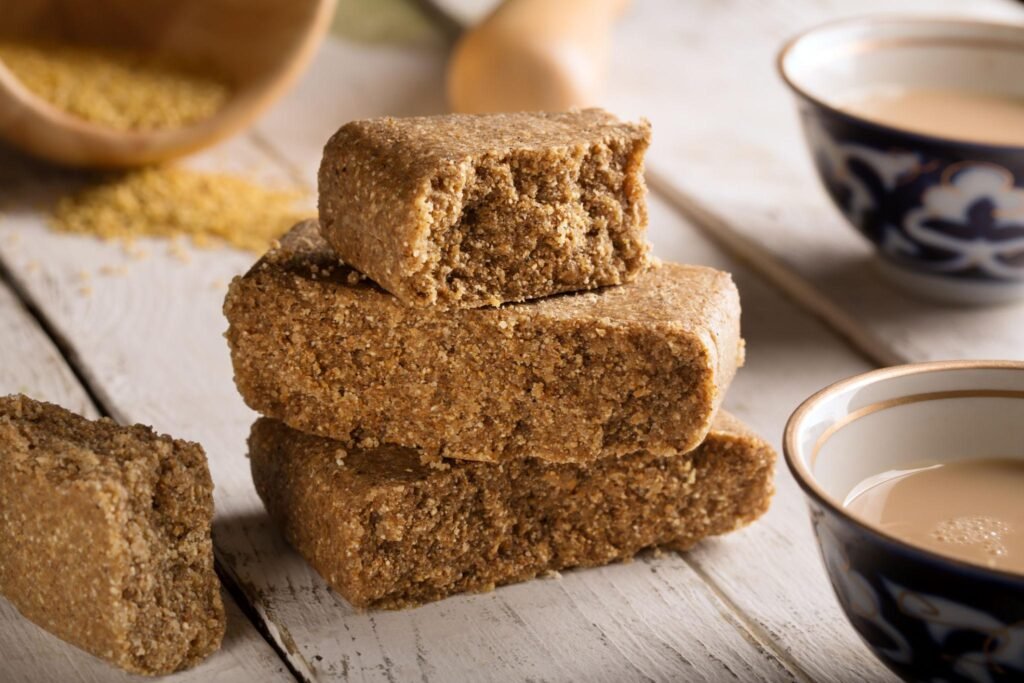
One of the most distinctive traditional Kazakh desserts is zhent, a sweet treat made primarily from millet.
Historically, millet was an important ingredient in the diet of nomadic communities because it was nutritious, easy to store, and convenient to transport. Zhent developed as a delicious way to transform this simple grain into a satisfying dessert.
The traditional recipe combines roasted and ground millet with butter and sugar. Depending on the region and family recipe, ingredients such as raisins, nuts, or dried dairy products may also be added.
Zhent usually has a dense, crumbly texture and a rich, slightly nutty flavor. It is often shaped into small portions or served in slices alongside a cup of hot tea.
Why try it? Zhent offers a taste of Kazakhstan’s culinary history. It is a wonderful example of how traditional nomadic cuisine transformed everyday ingredients into something special.
2. Baursak – Golden Fried Dough and a Symbol of Hospitality
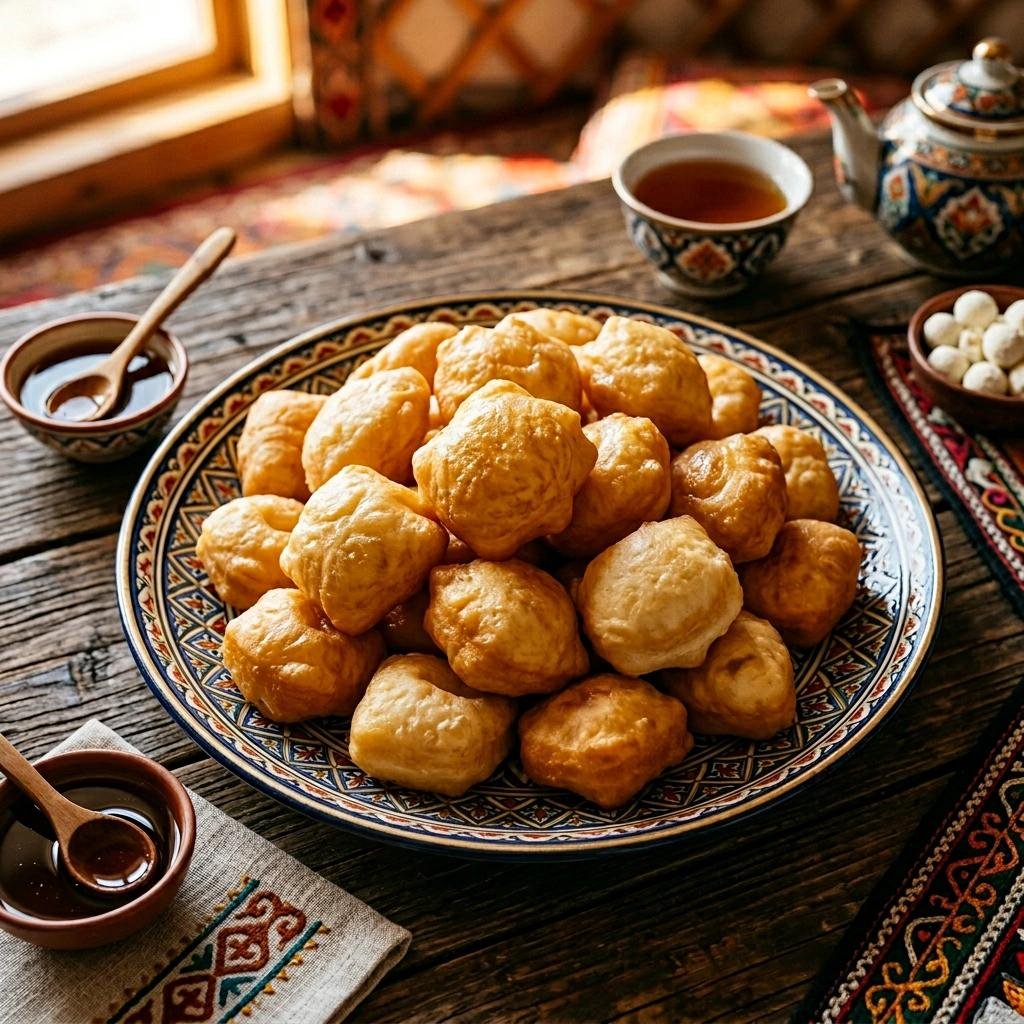
Few foods are as closely associated with Kazakh hospitality as baursak.
These small pieces of dough are deep-fried until they become beautifully golden on the outside and soft on the inside. They can be round, square, or irregularly shaped, depending on family traditions.
Although baursak is not necessarily a dessert because it is often prepared without sugar, it is commonly served with honey, jam, butter, or other sweet accompaniments.
Baursak holds a special place in Kazakh culture. It is prepared for weddings, family celebrations, holidays, and important gatherings. A traditional dastarkhan (the Kazakh dining table) often feels incomplete without a generous plate of freshly made baursak.
For visitors, trying warm baursak with homemade honey and tea is one of the simplest yet most memorable culinary experiences in Kazakhstan.
Why try it? Beyond its delicious taste, baursak represents generosity, togetherness, and the welcoming spirit of Kazakh culture.
3. Chak-Chak – A Sweet Honey-Coated Treat

If you enjoy crunchy desserts, chak-chak is definitely worth trying.
This sweet treat consists of small pieces or strips of fried dough that are combined with warm honey syrup and shaped into a compact mound. Once the honey sets, the pieces stick together, creating a crunchy, golden dessert.
Chak-chak is popular in several Central Asian and neighboring culinary traditions, particularly in Tatar and Bashkir cuisine. It is also enjoyed in Kazakhstan, where it frequently appears at celebrations and festive tables.
Its combination of crispy dough and sweet honey makes it a favorite among those with a sweet tooth. It is often served in small portions with tea and can be found in traditional bakeries and sweet shops.
Why try it? Chak-chak is a wonderful example of the shared culinary heritage of Central Asia and neighboring regions.
4. Balkaymak – A Rich Cream and Honey Delicacy
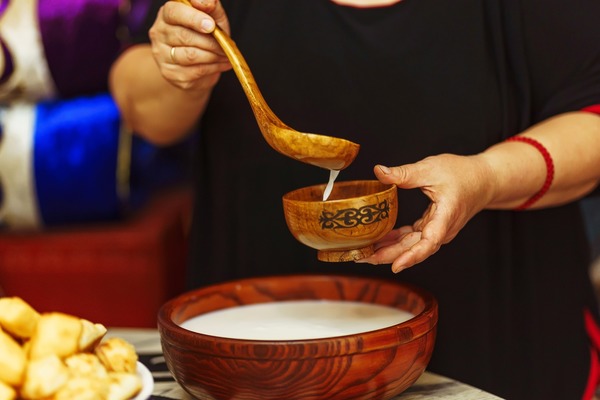
For travelers interested in discovering traditional dairy-based sweets, balkaymak is a particularly interesting dish.
Its name combines the Kazakh words associated with honey and cream, reflecting its rich, sweet character. Traditional preparations generally involve cream or milk-based ingredients, sometimes thickened with flour and sweetened with honey or sugar.
The result is a soft, creamy delicacy with a mild sweetness and a comforting dairy flavor.
Unlike elaborate modern pastries, balkaymak celebrates the natural richness of dairy products, which have played an important role in the traditional Kazakh diet for centuries.
It can be enjoyed with baursak or served as part of a traditional meal.
Why try it? Balkaymak provides insight into the importance of dairy in Kazakh cuisine and offers a different experience from the more familiar flour-based desserts.
5. Irimshik – Traditional Kazakh Sweet Cheese
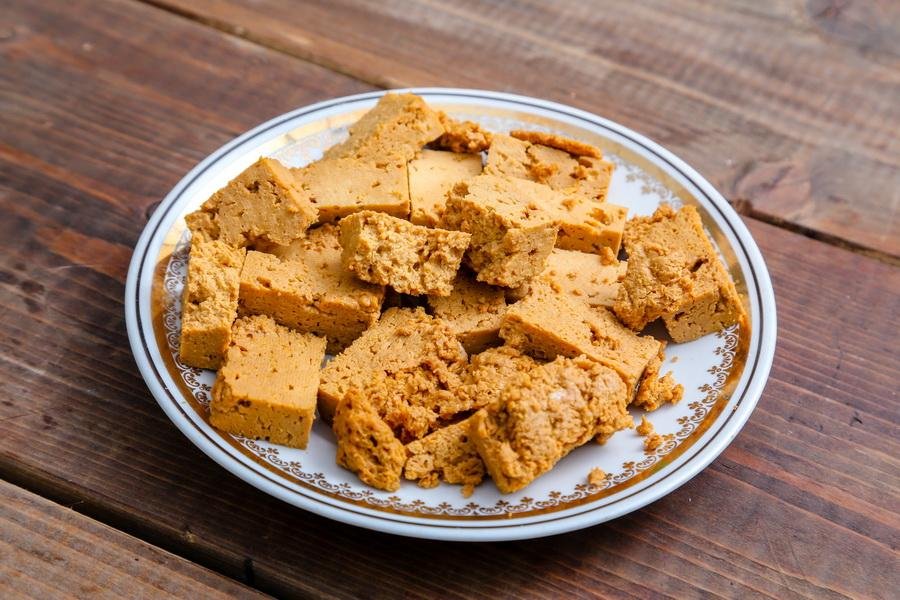
Dairy products are an essential part of Kazakhstan’s culinary heritage, and irimshik is one of the traditional foods that demonstrates this beautifully.
Irimshik is a type of traditional curd cheese prepared from milk. It comes in different varieties, including a sweeter, cooked version known as red irimshik.
The preparation process gives the sweet variety a distinctive color, dense consistency, and caramel-like flavor. It is often eaten in small pieces and can be enjoyed as a snack or alongside tea.
For generations, dairy-based foods have been important in nomadic cuisine, providing nourishment and making practical use of milk from livestock.
Irimshik is a delicious way to discover this heritage through something simple and authentic.
Why try it? If you want to understand the role of dairy in traditional Kazakh food, irimshik is an excellent introduction.
6. Sumalak – A Special Sweet Dish for Nauryz
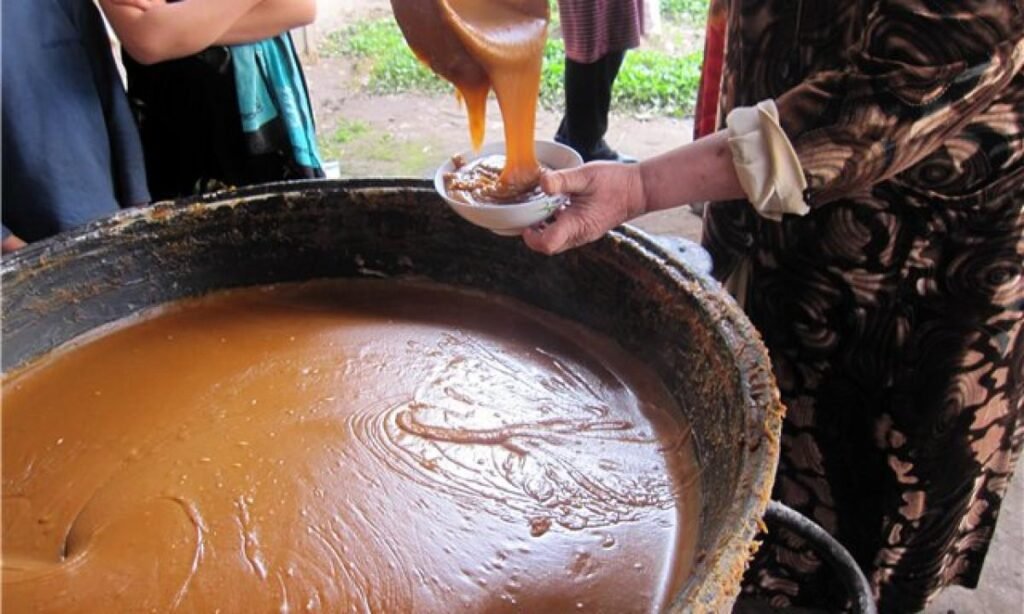
Some traditional Kazakh sweets are more than just food. They are connected to cultural celebrations, seasonal traditions, and the changing of the year.
Sumalak is a special sweet wheat dish associated with Nauryz, the spring holiday celebrated across Kazakhstan and other Central Asian countries.
It is prepared from sprouted wheat grains that are slowly cooked for many hours, often overnight. The process requires patience and is traditionally a communal activity, with families and neighbors gathering to prepare the dish together.
Sumalak has a thick consistency, dark color, and naturally sweet taste. Interestingly, its sweetness develops from the natural sugars released during the sprouting and cooking process, rather than relying primarily on added sugar.
Nauryz symbolizes renewal, prosperity, and the arrival of spring. Sharing sumalak during the celebrations represents good fortune, abundance, and unity.
Why try it? Sumalak is not simply a dessert; it is an opportunity to experience one of the most meaningful seasonal traditions in Central Asian culture.
Kazakh Desserts and the Tradition of Tea Drinking

To understand traditional Kazakh sweets, it is important to understand the country’s tea culture.
Tea is much more than an everyday drink in Kazakhstan. It is an essential part of hospitality and social life. Guests are welcomed with tea, family members gather around the table to share it, and important conversations often take place over several cups.
A traditional dastarkhan may include freshly prepared baursak, zhent, homemade sweets, dried fruits, nuts, and other treats. Depending on the occasion and region, the selection can be surprisingly generous.
Black tea with milk is especially popular, although tea preferences vary between households.
For visitors, accepting an invitation to share tea can be one of the most memorable ways to experience genuine Kazakh hospitality. It offers an opportunity to discover local traditions, taste homemade specialties, and connect with people beyond the usual tourist attractions.
Where Can You Try Traditional Kazakh Desserts?
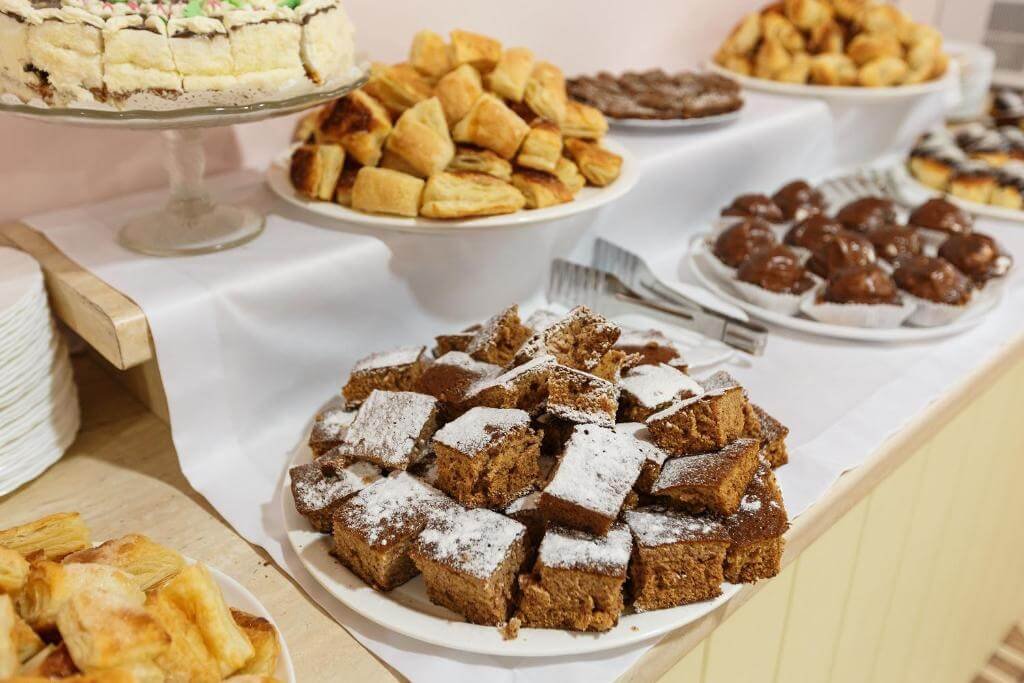
If you are visiting Kazakhstan, there are several ways to discover authentic local sweets.
Traditional Kazakh restaurants
Many restaurants specializing in national cuisine serve baursak, zhent, and other traditional dishes. Some also offer regional specialties that are less commonly found elsewhere.
Mercados locales
Markets are excellent places to explore local food culture. You may find homemade dairy products, traditional sweets, dried fruits, nuts, and freshly prepared pastries.
Family-run guesthouses
Staying with local families or visiting rural guesthouses can provide opportunities to try homemade Kazakh food and learn about recipes passed down through generations.
Nauryz celebrations
If your visit coincides with Nauryz in March, you may have the opportunity to taste sumalak and discover traditional seasonal food prepared for the holiday.
Food traditions can vary between regions, so exploring different parts of Kazakhstan can reveal new flavors and culinary customs.
Experience Kazakhstan Through Its Food and Traditions

Traveling through Kazakhstan is about much more than visiting famous landmarks. It is also about discovering the country’s traditions, meeting local people, and experiencing the hospitality that makes Central Asia so special.
Traditional Kazakh desserts offer a small but fascinating window into the country’s history. From millet-based zhent and creamy balkaymak to honey-coated chak-chak and festive sumalak, every sweet has its own story.
At DocTour, we believe that the best travel experiences come from discovering a destination beyond its guidebook highlights. Exploring local cuisine, learning about cultural traditions, and connecting with local communities can make a journey truly unforgettable.
Whether you are exploring the mountains, discovering the history of Kazakhstan’s cities, or experiencing the hospitality of a traditional guesthouse, make sure to leave room for something sweet.
Ready to discover Kazakhstan? Explore Central Asia with DocTour and experience the culture, landscapes, flavors, and traditions that make this region so unique.