
Índice
ToggleSinging Dune, Kazakhstan
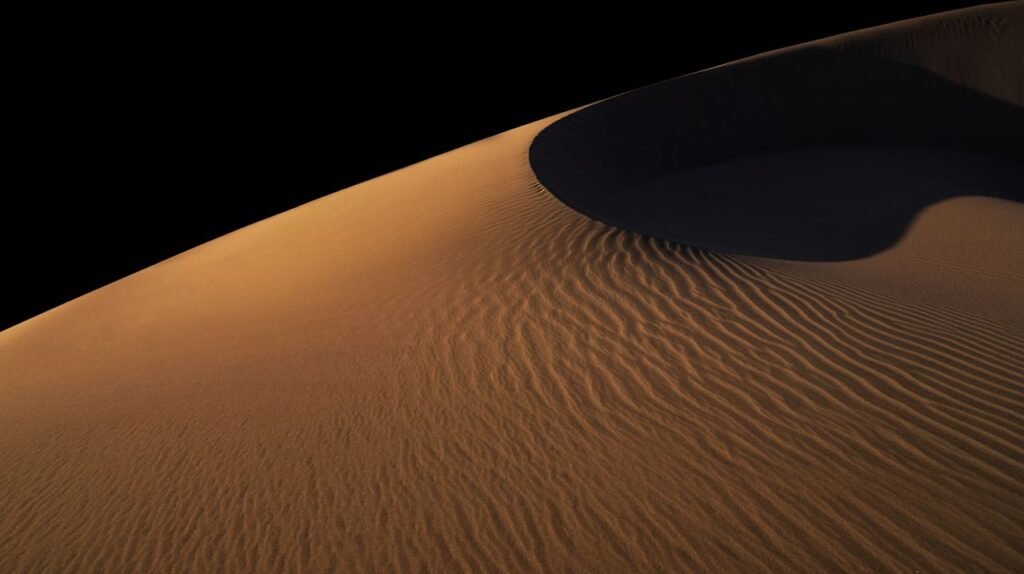
Hidden among the vast open landscapes of southeastern Kazakhstan, the Singing Dune is one of the country’s most remarkable natural wonders. Located inside Parque Nacional Altyn-Emel, this enormous sand formation is famous for producing a deep, resonant sound that can resemble a musical instrument, a distant engine, or a low human hum. The experience is so unusual that visitors sometimes find it hard to believe the sound comes from sand.
Known locally as the Singing Barkhan and also associated with the name Aigaykum, the dune rises above the surrounding steppe, creating a dramatic contrast between golden sand, rugged mountains, and the distant Ili River valley. It is a destination for travellers interested in unusual natural phenomena, desert scenery, photography, and outdoor adventures.
Visiting the Singing Dune takes more planning than exploring a city attraction. It lies deep inside a protected national park, but the journey rewards visitors with sweeping views and the chance to experience one of Kazakhstan’s most distinctive landscapes.
Where Is the Singing Dune?
The Singing Dune is located in Altyn-Emel National Park, in the Jetisu Region of southeastern Kazakhstan. It stands in the Ili River basin, between the Greater and Lesser Kalkan mountain ranges.
The nearest main access point for the park’s Singing Dune route is Basshi village, where visitors can arrange the required entry permit. From there, the journey continues along unpaved park roads through open steppe and semi-desert scenery.
The dune is part of a protected natural area known for its varied landscapes and wildlife. Although the surrounding region may appear dry and empty at first glance, it supports animals such as goitered gazelles and kulan, or Asiatic wild asses, as well as numerous bird and reptile species.
Why Is It Called the Singing Dune?
The Singing Dune gets its name from a rare natural phenomenon: under suitable conditions, moving sand can produce a powerful, low-frequency humming or rumbling sound.
The noise is not constant. It depends on factors such as the dryness of the sand and how the grains move across the slope. When a layer of sand slides downhill, the grains interact and vibrate, producing sound that can become surprisingly loud and carry across the surrounding landscape.
The resulting noise has been compared to the drone of an aircraft, the deep notes of an organ, or a distant growl. The contrast between this resonant sound and the stillness of the steppe is what makes the experience so memorable.
Scientists have investigated singing sand in different parts of the world, but the precise behaviour varies between dunes. At Altyn-Emel, the sound is most likely when conditions are dry and enough sand moves together. A visit does not guarantee that the dune will sing, so it is best to enjoy the landscape itself as well as the possibility of hearing its unusual voice.
The Size and Shape of the Singing Dune
The Singing Dune is an impressive feature of the Altyn-Emel landscape. The park describes the larger southern dune as reaching approximately 150 metres in height and extending around three kilometres in length. The wider dune complex covers roughly 240 hectares and also includes a lower northern dune.
From a distance, the sandy ridge looks like a mountain rising out of the steppe. Its long crest and sloping sides change in appearance with the sunlight, while wind continually reshapes the finer details of the surface.
Unlike many mobile dunes that gradually migrate across the landscape, the Singing Dune is remarkably stable. The surrounding topography helps retain the sand, allowing the formation to remain a distinctive feature of the region over a long period.
What to See and Do at the Singing Dune
1. Climb the Sandy Ridge
Climbing the dune is the main activity for many visitors. The ascent offers a chance to feel the texture of the sand underfoot and appreciate just how large the formation is.
The climb is not technical, but it can be physically demanding. Sand gives way under each step, making the ascent more tiring than walking on a firm path. The difficulty depends on the route, weather, heat, and your fitness.
Take your time and stop when needed. There is no need to climb the entire ridge to enjoy the scenery; even a partial ascent can provide excellent views of the surrounding plains and mountains.
2. Listen for the Dune’s Unusual Sound
The most distinctive reason to visit is the possibility of hearing the sand sing. In dry conditions, moving sand may produce a deep, continuous rumble that seems to come from within the dune itself.
Some visitors listen from the slope, while others experience the sound as sand moves beneath their feet. Avoid deliberately disturbing large amounts of sand or running down steep sections simply to create noise. Follow park guidance and take care on loose surfaces.
If the dune remains quiet, do not consider the visit a failure. Its immense scale, unusual geology, and remote setting are attractions in their own right.
3. Enjoy the Panoramic Views
From higher parts of the dune, the surrounding landscape opens into a wide panorama. The Kalkan mountains frame the sandy formation, while the Ili River valley and distant mountain ranges add depth to the horizon.
The view illustrates the diversity of Altyn-Emel National Park, where sand, rocky ridges, dry grassland, and river landscapes exist within the same broad region.
On clear days, the open scenery is particularly rewarding for photographers. The dune’s curves and rippled textures also create strong patterns of light and shadow.
4. Photograph the Desert Landscape
The Singing Dune is an excellent destination for landscape photography. Its clean lines and warm sand colours contrast with the muted tones of the steppe and the darker outlines of nearby mountains.
Early morning and late afternoon can provide softer light and more pronounced shadows. During the middle of the day, the sun may be harsh and the sand extremely hot.
Protect your camera and phone from fine sand, which can enter bags and damage equipment. Keep small valuables secured while climbing, as loose sand makes dropped items difficult to locate.
5. Experience the Quiet of the Steppe
Beyond the climb and the possibility of hearing the sand, the Singing Dune offers a sense of remoteness that is increasingly difficult to find near major cities.
Take a moment to observe the wind moving across the ridge, look for tracks in the sand, and appreciate the wide, open horizon. The experience is not built around shops, restaurants, or developed visitor facilities. Its appeal comes from the landscape and the feeling of being far from busy urban life.
Legends and Stories About the Singing Dune
The mysterious sound of the dune has inspired local legends. One well-known story connects the rumbling sand with Genghis Khan and his warriors, suggesting that the sound is the voice of a great ruler or his army resting beneath the sands.
Other folk tales imagine a sleeping spirit whose movements produce the dune’s deep groan. Such stories reflect the way people have interpreted unusual natural phenomena long before modern scientific explanations were available.
These legends add a layer of cultural interest to the visit, but they should be understood as folklore rather than historical evidence. The dune’s sound is a natural acoustic phenomenon associated with moving sand.
Best Time to Visit the Singing Dune
Spring and autumn are generally the most comfortable seasons for exploring the dune. Temperatures are often more manageable than during the height of summer, making the climb and the journey through the park more pleasant.
Primavera
The surrounding steppe can look especially fresh after seasonal precipitation, and daytime conditions are often suitable for outdoor exploration.
Verano
The region can become extremely hot, and exposed sand may be uncomfortable to walk on. Plan outdoor activities for cooler parts of the day and carry plenty of water.
Otoño
Cooler weather can make hiking more comfortable, and clear days offer excellent opportunities for landscape photography.
Invierno
Visits may still be possible, depending on weather and road conditions, but cold temperatures, wind, and limited daylight require additional preparation.
For the best chance of hearing the dune, dry weather is important. However, no season or time of day can guarantee the sound. Check the local forecast and current park guidance before travelling.
How to Get to the Singing Dune
The Singing Dune is a remote attraction, so it is important to plan transport and park access in advance.
From Almaty
Almaty is a common starting point for trips to Altyn-Emel National Park. The drive to Basshi village is approximately 250 kilometres, although the total journey time depends on traffic, road conditions, and your exact starting point.
From Basshi, visitors follow the park’s designated route to the dune. The internal journey includes unpaved roads, and the park’s official guidance recommends using a reliable vehicle suitable for rough surfaces.
A guided tour can simplify logistics, particularly for visitors unfamiliar with the area or travelling without an appropriate vehicle.
From Basshi Village
Basshi serves as the main gateway for the Singing Dune route. Visitors need to arrange a valid park permit and follow the designated access route.
The national park advises that the Singing Dune route must be entered and exited through Basshi. Visitors should not assume that roads across the park connect freely to other routes or attractions.
Because there is limited mobile coverage inside the park, download maps in advance and make sure you understand the planned route before leaving the village.
Entrance Permits and Visitor Rules
The Singing Dune is inside a protected national park, so visitors must follow the park’s entry requirements. A permit is required before entering the protected area, and the park’s official website provides information about purchasing permits and current vehicle charges.
Access is permitted during daylight hours. Visitors must leave the park before dusk, and overnight stays are restricted to designated camping areas with the required registration.
Fees and administrative procedures can change, so check the official Altyn-Emel National Park website before your trip.
Respecting park rules helps protect the dune and the wider ecosystem. Stay on approved routes where required, avoid littering, and do not disturb wildlife.
Qué llevar
A trip to the Singing Dune requires more preparation than a short walk around a town.
Water: Carry enough drinking water for the drive and time outdoors.
Sun protection: Bring a hat, sunglasses, sunscreen, and clothing suitable for strong sun.
Comfortable footwear: Choose shoes that are secure and suitable for loose sand and uneven ground.
Food and snacks: Do not rely on finding cafés or shops inside the park.
Offline navigation: Mobile coverage is limited, so save your route and important information in advance.
Camera protection: Use a closed bag or protective case to keep sand away from electronics.
Cash and permit details: Confirm the accepted payment methods and permit arrangements before departure.
Before setting off, check fuel levels, road conditions, weather forecasts, and the vehicle requirements for your intended route.
Nearby Attractions in Altyn-Emel National Park
The Singing Dune can be part of a wider exploration of Altyn-Emel, a national park with striking geological formations, historic sites, and varied wildlife.
Montañas Aktau
The Aktau Mountains are famous for their layered, multicoloured hills, where pale, red, and ochre tones reveal a complex geological history. Their unusual appearance makes them one of the park’s most photogenic landscapes.
The Aktau area is visited on a different designated tourist route from the Singing Dune, although both routes use Basshi as their access point. Confirm road conditions and available time before attempting to combine them.
Montañas Katutau
Katutau is known for rugged volcanic rock formations and unusual eroded shapes. The dark, weathered terrain contrasts with the colourful sedimentary landscape of the Aktau Mountains.
It is a rewarding destination for travellers interested in geology and dramatic natural scenery.
Oshaktas Stone Steles
Oshaktas is a group of large stone monuments located along the Singing Dune tourist route. These stones add a historical and cultural dimension to a journey otherwise dominated by natural landscapes.
Visitors should follow local guidance and avoid climbing on or damaging the monuments.
Shokan Valikhanov Spring
The route also includes the Shokan Valikhanov spring, another stop that can complement a visit to the dune. Check the current park itinerary for access details and the time required to reach each location.
Can You Visit the Singing Dune in One Day?
A visit from Almaty in one day is possible for some travellers, but it can make for a long excursion. The drive to Basshi, the journey through the park, the climb, and the return trip all require time.
For a more relaxed experience, consider staying overnight in or near Basshi village and visiting the dune as part of a two-day itinerary. This can also make it easier to explore other park attractions without rushing.
Do not underestimate distances within the park. Roads are unpaved, mobile service is limited, and travel after dark is not permitted inside the protected area. Build your schedule around official access times rather than relying solely on navigation estimates.
Is the Singing Dune Worth Visiting?
The Singing Dune is well worth visiting for travellers who enjoy natural wonders, unusual landscapes, and destinations beyond Kazakhstan’s main urban centres. Its rare acoustic phenomenon gives it a special identity, while its size and remote setting make the visit feel like a genuine adventure.
It is not a conventional attraction with cafés, exhibitions, or a developed visitor complex. Instead, it offers open horizons, soft sand, expansive views, and the possibility of hearing the landscape produce its own deep, resonant sound.
For the most rewarding trip, prepare carefully, respect park regulations, and allow enough time to appreciate the surrounding scenery. Whether or not the sand sings during your visit, the Singing Dune remains one of Kazakhstan’s most distinctive natural sights.


