
Índice
ToggleTurgen Gorge, Kazakhstan
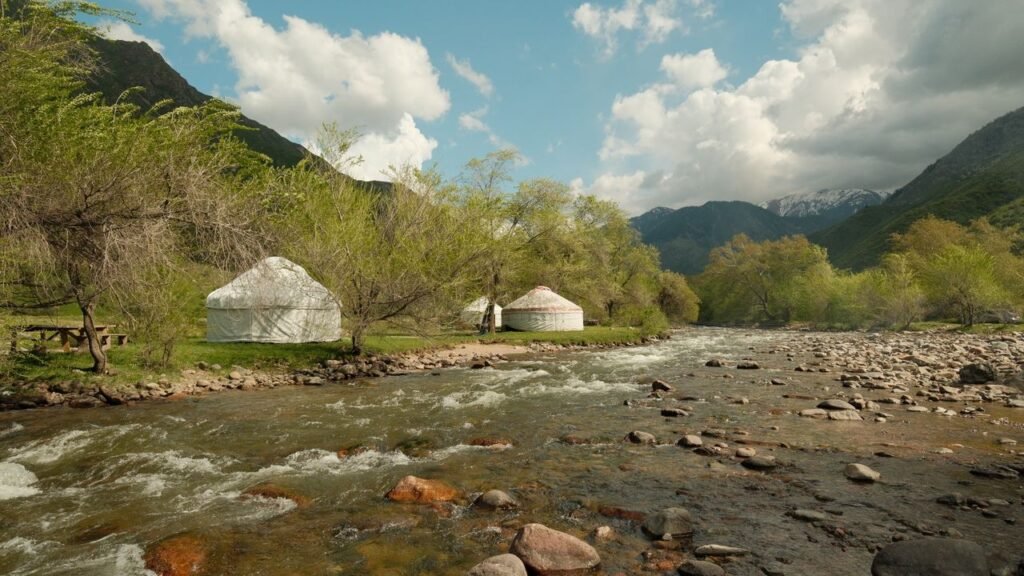
Turgen Gorge is one of the most beautiful natural attractions in Kazakhstan’s Almaty Region. Located east of Almaty in the northern slopes of the Trans-Ili Alatau mountains, this scenic valley is famous for its rushing rivers, dramatic waterfalls, dense spruce forests, and peaceful mountain landscapes. It is an excellent destination for travelers who want to explore Kazakhstan’s natural beauty beyond the city.
Stretching for approximately 44 kilometers toward the spectacular Assy Plateau, Turgen Gorge offers a variety of landscapes, from wooded riverbanks and rocky cliffs to open alpine meadows. The area is particularly popular with hikers, photographers, nature lovers, and visitors looking for a refreshing escape from urban life.
The gorge’s most famous attractions include Bear Waterfall, Kairak Waterfall, and Skalisty Waterfall. Visitors can also enjoy forest walks, riverside picnics, wildlife observation, and scenic drives through the mountains. Depending on the route and season, a visit can be a relaxed day trip or a more challenging outdoor adventure.
For travelers exploring the Almaty Region, Turgen Gorge is a rewarding destination that combines mountain scenery, outdoor recreation, and opportunities to experience the natural environment of southeastern Kazakhstan.
History and Natural Background of Turgen Gorge
Turgen Gorge is part of the mountainous landscape of the Trans-Ili Alatau, a range forming part of the northern Tien Shan mountain system. Over thousands of years, flowing water, weathering, and mountain erosion have shaped its valley, cliffs, slopes, and river channels.
The Turgen River runs through the gorge, carrying water from the surrounding mountains. Its flow has helped create the area’s waterfalls and distinctive rocky formations. Seasonal snowmelt and rainfall influence the river’s strength, making the landscape particularly dynamic during spring and early summer.
The wider region has long been connected with traditional pastoral life. Mountain valleys and high-altitude pastures have provided seasonal grazing areas for livestock, while the surrounding mountains have formed an important part of local livelihoods and cultural landscapes. The nearby Assy Plateau remains associated with summer pastures and traditional nomadic heritage.
Today, Turgen Gorge is known primarily as a nature and recreation destination. Its forests, waterways, waterfalls, and mountain routes attract visitors from Almaty and other parts of Kazakhstan. The gorge is also associated with the wider protected natural environment of Ile-Alatau National Park, where responsible tourism helps preserve fragile mountain ecosystems.
Top Attractions in Turgen Gorge
1. Bear Waterfall
Bear Waterfall, also known as Medvezhiy Waterfall, is one of the best-known attractions in Turgen Gorge. Surrounded by rocky slopes and green mountain vegetation, the waterfall offers a beautiful natural setting and is a popular stop for day visitors.
The waterfall is especially impressive when snowmelt increases the volume of water in spring and early summer. During warmer months, the surrounding forest provides a cool atmosphere, making the area a pleasant place for a short walk and nature photography.
Bear Waterfall is generally a more accessible choice than the longer hiking routes deeper in the gorge. However, the walking conditions can vary with weather, and the path may become slippery near the water.
Aspectos destacados:
Scenic waterfall surrounded by mountain vegetation
Forest scenery and fresh mountain air
A popular stop for photography
A suitable option for visitors seeking a shorter walk
2. Kairak Waterfall
Kairak Waterfall is one of the most impressive natural attractions in the Turgen Gorge area. Set deeper in the mountain landscape, it is known for its powerful cascades, rocky surroundings, and dramatic forest scenery.
Reaching Kairak Waterfall usually requires a substantially longer hike than visiting Bear Waterfall. The trail passes through woodland and follows sections of the river valley, creating opportunities to enjoy the quieter and more remote side of the gorge.
The waterfall is particularly attractive to hikers and travelers who want a more adventurous outdoor experience. The sound of rushing water, moss-covered rocks, and dense forest give the area a memorable atmosphere.
Visitors should plan this excursion carefully. Trail conditions, river levels, bridge access, and weather can change, so it is important to check local conditions before setting out.
Aspectos destacados:
Dramatic mountain waterfall
Forest trails and riverside scenery
Excellent opportunities for nature photography
A rewarding destination for experienced or well-prepared hikers
3. Skalisty Waterfall
Skalisty Waterfall is another natural feature associated with Turgen Gorge. Its name is connected with the rocky terrain that characterizes this part of the mountain landscape.
The waterfall adds to the variety of scenery found throughout the valley. Depending on the route taken, visitors may be able to view it from a distance or include it in a wider exploration of the gorge.
As with the other waterfalls, the appearance of Skalisty Waterfall changes throughout the year. Higher water flow can make it more dramatic, while seasonal vegetation creates different colors and textures around the surrounding slopes.
Before planning a dedicated visit, travelers should confirm the current access route and whether the waterfall can be reached safely under prevailing conditions.
4. Turgen River
The Turgen River is one of the central features of the gorge. Flowing through the valley, it creates a refreshing contrast with the steep mountain slopes and forested hillsides.
Along the river, visitors can enjoy the sound of moving water, scenic views, and opportunities to observe the natural environment. The river also helps sustain the area’s vegetation and contributes to the landscapes that make Turgen Gorge such an attractive destination.
The river is particularly lively during periods of snowmelt. Although the water may look inviting on a warm day, mountain rivers can be cold and fast-moving. Visitors should avoid unsafe crossings and remain cautious on wet rocks and riverbanks.
5. Spruce Forests and Mountain Vegetation
Turgen Gorge is known for its forests, including stands of Tien Shan spruce, as well as mixed woodland and mountain vegetation. These forests create shaded walking areas and provide habitat for a range of wildlife.
The scenery changes with altitude. Lower sections of the valley may feature denser vegetation and riverbank plants, while higher elevations open into meadows and more exposed mountain terrain.
One of the region’s notable ecological features is the Chinturgen moss spruce forest area, where spruce trees grow among thick moss and unusual cold-soil conditions. This landscape highlights the ecological diversity of the wider region.
Visitors should stay on established paths where possible and avoid damaging moss, plants, and young trees.
6. Alpine and Subalpine Meadows
As the landscape rises toward the upper gorge and Assy Plateau, dense woodland gives way to more open mountain meadows. During the warmer months, these areas can display grasses, wildflowers, and expansive views of the surrounding mountains.
The meadows offer a striking contrast with the darker forests and narrow river valley below. They are especially attractive to photographers and travelers who enjoy quiet natural landscapes.
These open spaces are also connected with the region’s traditional summer grazing practices. Visitors may encounter livestock or seasonal pastoral activity in some areas and should respect local land use.
7. Mountain Viewpoints and Scenic Roads
The roads through Turgen Gorge offer changing views of the river, forested slopes, rocky formations, and mountain ridges. Even travelers who do not plan a long hike can enjoy the scenery from suitable stopping points along the route.
As the road climbs farther into the valley, the landscape becomes increasingly mountainous. The journey toward the Assy Plateau is particularly rewarding for those interested in wide-open views and high-altitude scenery.
Only stop in designated or safe areas, and avoid parking where vehicles could obstruct the road or damage vegetation.
8. Traditional Pastures and Local Rural Life
The wider Turgen area provides a glimpse of the relationship between mountain landscapes and traditional pastoral life. Seasonal pastures around the upper gorge and Assy Plateau have long been used for grazing livestock.
Depending on the season and route, visitors may see grazing animals, shepherds, or traditional rural structures. These experiences offer a cultural dimension to a trip that might otherwise focus entirely on waterfalls and forests.
Travelers should observe from a respectful distance, ask permission before photographing people, and avoid entering private or working areas without consent.
Things to Do in Turgen Gorge
Hiking and Nature Walks
Hiking is one of the most popular ways to experience Turgen Gorge. Short walks around accessible areas allow visitors to enjoy the forest and river scenery, while longer routes lead toward more remote waterfalls.
Choose a trail that matches your fitness level, available daylight, and experience. The walk to a major waterfall deeper in the gorge can require considerably more time and preparation than a short visit near the main road.
Waterfall Photography
Turgen Gorge is an excellent destination for landscape photography. Waterfalls, dark rock faces, green forests, and mountain streams create a variety of photographic subjects.
Spring and early summer can offer strong waterfall flow, while autumn brings warmer colors to parts of the forest. Early morning and late afternoon may provide softer light, although cloud cover and mountain weather can change quickly.
Use care around slippery rocks and keep a safe distance from the edges of waterfalls.
Scenic Drives
A drive through the gorge is a good option for visitors who prefer to explore at a relaxed pace. The route offers views of the river valley and forested mountains, with opportunities to stop where access and parking are permitted.
The upper gorge and the road toward Assy Plateau require particular attention to road conditions. Surfaces and access can vary, especially after rain or during colder months.
Picnicking and Relaxing in Nature
Suitable designated recreation areas can provide places to rest and enjoy the mountain environment. The sound of the river and the surrounding forest make the gorge an appealing destination for a peaceful break from the city.
Visitors should take all rubbish with them, use only permitted facilities, and avoid lighting fires outside authorized areas.
Wildlife and Birdwatching
The forests, meadows, and waterways support a range of mountain wildlife and birdlife. Patient visitors may notice birds, insects, and other animals while walking quietly through the landscape.
Wildlife sightings are never guaranteed. Keep a respectful distance from animals, do not feed them, and avoid disturbing nesting or feeding areas.
Exploring Assy Plateau
The upper Turgen route connects with the wider landscape of Assy Plateau, a high-altitude area known for broad summer pastures and open mountain views. The plateau offers a very different environment from the narrow, forested gorge below.
Visitors interested in exploring both destinations should allow sufficient time and check the road conditions in advance. Some sections may be rough, and a suitable vehicle or experienced local driver may be necessary.
Best Time to Visit Turgen Gorge
Turgen Gorge can be visited during several seasons, but the experience varies depending on the weather, water levels, road conditions, and the type of activity planned.
Spring (April to May): Spring brings fresh vegetation and increasing waterfall flow as mountain snow begins to melt. Some trails may be muddy, and river conditions can be challenging.
Summer (June to August): Summer is generally a popular period for hiking, forest walks, and scenic drives. Temperatures in the mountains are often more comfortable than in Almaty, but afternoon rain and thunderstorms are possible.
Autumn (September to October): Autumn can offer beautiful forest colors, cooler temperatures, and attractive photography conditions. Travelers should check forecasts and daylight hours before longer hikes.
Winter (November to March): Winter brings snow, ice, and a different mountain atmosphere. Access may be restricted or more difficult, and some trails and roads may be unsafe without suitable equipment and local guidance.
For a first visit focused on waterfalls and hiking, late spring through early autumn is often the most practical period. Always check current weather, park access, and route conditions before departure.
How to Get to Turgen Gorge
Turgen Gorge lies east of Almaty in the Almaty Region of southeastern Kazakhstan. The drive from Almaty is commonly around 70–100 kilometers, depending on the exact destination within the gorge, and may take roughly 1.5–2.5 hours or longer with traffic and stops.
En coche
Driving is one of the most flexible ways to visit Turgen Gorge. From Almaty, travelers generally head toward Issyk (Esik) and Turgen village before following the access road into the gorge.
Road conditions vary by section. The lower gorge is generally more accessible than the remote routes leading toward some waterfalls or the upper plateau. Check the condition of the road and any access restrictions before leaving.
Con tour guiado
A guided day trip can simplify transport and route planning, especially for visitors unfamiliar with the area. Tours may combine waterfalls, scenic viewpoints, and other stops around the Almaty Region.
When booking, confirm which waterfall is included, how much walking is required, whether park fees are included, and the expected return time. Bear Waterfall and Kairak Waterfall involve different levels of effort and should not be treated as interchangeable stops.
By Taxi or Private Driver
A private driver may be a convenient choice for travelers who want to explore at their own pace. Arrange the return journey in advance, particularly if visiting a remote trailhead where mobile reception may be limited.
Confirm whether the driver is willing and equipped to travel beyond the main accessible areas.
Entrance Fees and Facilities
Access charges, park rules, and payment arrangements can change. Check the current requirements with the relevant park authority or tour operator before visiting.
Facilities are limited in remote sections of the gorge. Do not assume that toilets, restaurants, shops, reliable mobile service, or drinking-water facilities will be available along every route.
Travel Tips for Visiting Turgen Gorge
Wear suitable footwear: Hiking shoes or sturdy walking shoes are recommended, especially for waterfall trails.
Dress in layers: El clima de montaña puede cambiar rápidamente, incluso durante el verano.
Carry enough water and food: Services may be limited away from the main access points.
Check trail conditions: Rain, snowmelt, and damaged bridges can affect access to waterfalls.
Start early: Longer hikes require enough daylight for the return journey.
Save offline maps: Mobile reception may be weak or unavailable in parts of the gorge.
Use caution near water: Rocks can be slippery, and rivers may be fast and cold.
Respect protected areas: Stay on suitable trails, take rubbish away, and follow local rules regarding fires and camping.
Confirm transport: Make a clear plan for returning from remote trailheads.
Check access requirements: Verify park entry arrangements and any relevant restrictions before departure.
Places to Visit Near Turgen Gorge
1. Assy Plateau
Assy Plateau is a high-altitude pastureland reached by continuing toward the upper Turgen area. Its broad meadows, mountain horizons, and open skies provide a dramatic contrast with the gorge’s forests.
The plateau is also associated with the Assy-Turgen astronomical observatory. Because the route can become rough and weather-dependent, visitors should plan the journey carefully.
2. Issyk (Esik)
The town of Issyk is a useful stop on the journey from Almaty toward Turgen Gorge. The surrounding area is known for mountain scenery and historical attractions, making it a practical addition to a wider regional itinerary.
Travelers interested in archaeology and Kazakhstan’s ancient history may also want to explore the nearby Golden Man heritage associated with the Issyk burial mound.
3. Issyk Lake
Issyk Lake is a scenic mountain lake in the Almaty Region, surrounded by forested slopes and mountain scenery. It can be visited as part of a broader trip from Almaty, although reaching it requires a separate route from the Turgen Gorge road.
The lake’s appearance changes with the seasons, and visitors should check local access conditions before traveling.
4. Almaty
Almaty is the main urban base for most visits to Turgen Gorge. The city offers museums, parks, markets, restaurants, accommodation, and transport connections for travelers exploring southeastern Kazakhstan.
Visitors can combine a day in the city with one or more excursions into the surrounding mountains.
5. Ile-Alatau National Park
The wider protected mountain landscape of Ile-Alatau National Park offers forests, alpine scenery, rivers, and hiking opportunities. Turgen Gorge is one of the region’s notable natural destinations, while other areas of the park provide different routes and viewpoints.
Visitors should check the rules and access conditions for each individual area before planning additional hikes.


