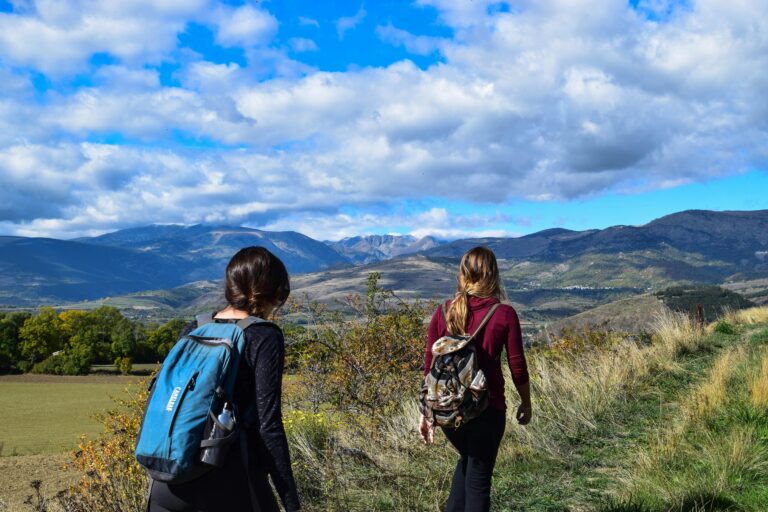
Kyrgyzstan, a breathtaking country in the heart of Central Asia, is quickly becoming one of the most talked-about off-the-beaten-path destinations.
Things to know before travelling to Kyrgyzstan

Towering mountains, turquoise alpine lakes, traditional yurts, and nomadic culture await those willing to explore. But before you pack your bags, here are 20 essential tips every traveler should know before visiting Kyrgyzstan in 2026.
1. Use 2GIS Instead of Google Maps
When navigating cities like Bishkek, Osh, or even remote villages, 2GIS is far more accurate than Google Maps. It works offline and includes detailed building directories, routes for buses, and walking paths that Google simply misses. Download it in advance for easy offline use.
2. Choose the Right SIM Card
Staying connected is easy in Kyrgyzstan with multiple affordable options. The top three providers are:
- Beeline – best coverage in remote areas (Son-Kul, Kel Suu)
- O! – good speed in cities, budget-friendly packages
- Megacom – balanced performance across the country
For short trips, O! often offers cheap tourist SIM cards at the airport. Alternatively, you can buy an online eSIM via providers like Airalo or Nomad before arriving.
3. Know the Best Seasons for Top Destinations
Kyrgyzstan’s weather varies greatly due to its mountainous terrain. Timing is crucial:
- Son Kul Lake: June-mid-September (yurts are available only during this period)
- Kel Suu Lake: Late June-early September (requires border permit)
- Issyk-Kul Lake: May-September (great for swimming and sailing)
- Ala-Archa & Alamedin Gorges: Accessible year-round, but best in spring to autumn
Planning by season ensures you won’t arrive when roads are closed or camps are shut.
4. Border Permits Are Required for Kel Suu and Other Areas
If you plan to visit Kel Suu Lake, Chatyr-Kul, or parts of the Torugart Pass, you’ll need a special border zone permit. It takes 5-7 working days to issue and can be arranged via a tour company or online travel agency. Don’t skip this step; you can be turned back at military checkpoints without it.
5. Always Carry Some Cash (and Avoid Airport Exchanges)
Kyrgyzstan is still largely a cash-based economy, especially outside major cities. ATMs are available in Bishkek and Osh, but are scarce in remote areas. Always carry Kyrgyz som (KGS).
Do NOT exchange money at the airport, where the rates are significantly worse. Instead, use authorized exchange offices in cities, especially those around Moskovskaya Street in Bishkek, where competition keeps rates fair.
6. A Visa Invitation Letter Might Be Required
Many nationalities can apply for a Kyrgyzstan eVisa online. However, you must upload a Letter of Invitation (LOI) from a local tour operator or hotel if your nationality is not visa-exempt. Check the official visa portal and plan accordingly.
7. Don’t Underestimate the Altitude
Places like Son-Kul (3016 m), Kel Suu (over 3500 m), and Ala-Kul Lake can cause altitude sickness. Spend a day acclimatizing in places like Karakol or Naryn before ascending to higher elevations. Drink lots of water and avoid alcohol on the first day.
8. Marshrutkas Are Cheap but Not for Everyone
Shared minivans (marshrutkas) are the cheapest way to travel between cities. But they can be cramped, slow, and uncomfortable for long trips. Consider private taxis or group tours for longer routes like Bishkek to Karakol or Osh to Sary-Tash.
9. Learn a Few Russian or Kyrgyz Phrases
While some younger people speak English in Bishkek, it’s not widely spoken elsewhere. Learn a few useful phrases in Russian like “spasibo” (thank you), “gde tualet?” (Where is the toilet?), or “privet” (a friendly greeting).
10. Yurts Are Cozy, but Not Luxurious
Sleeping in a traditional yurt is a highlight of traveling in Kyrgyzstan. But don’t expect hotel-level amenities. Most yurt camps have shared toilets, cold water, and wood stoves for heating. Bring your own towel, flashlight, and power bank.
11. Drink Bottled or Filtered Water
Tap water isn’t always safe, especially in rural areas. Stick to bottled water, or bring a portable water filter (like LifeStraw). You can also refill at guesthouses where filtered water is often available.
12. Respect Nomadic Culture and Traditions
Always ask permission before photographing people, especially eagle hunters or locals in traditional clothing. Don’t step over someone’s head or food, and always use your right hand to offer or receive items.
13. Buy Travel Insurance That Covers Trekking
If you plan to trek to Ala-Kul, Jyrgalan, or other high-altitude areas, get travel insurance that includes hiking at elevations over 3000 meters and medical evacuation. Kyrgyzstan’s remote terrain can delay access to emergency services.
14. Eat Local but Prepare for Basic Options in Villages
In cities, you’ll find everything from sushi to Italian, but in rural areas, expect lagman (noodles), plov (rice and meat), manti (dumplings), and lots of tea and bread. Vegetarian? Inform your host in advance, as meat is central to most dishes.
15. Prepare for Unpredictable Weather
Even in July, nights at high altitude can drop below 5°C (41°F). Pack layers, including a windproof jacket, thermal underwear, and a warm hat, especially if staying in yurts.
16. Respect the Environment
Kyrgyzstan’s landscapes are pristine, and it’s up to visitors to keep them that way. Carry your trash, avoid picking wildflowers, and never drive off designated roads in national parks or mountain valleys.
17. Use Local Tour Operators
Many destinations like Kel Suu, Song Kul, or Tash Rabat are difficult to reach without a guide or private transport. Local agencies offer affordable, customizable options with English-speaking drivers, border permits, and meals included.
18. Don’t Rely on Wi-Fi Everywhere
Wi-Fi is decent in Bishkek and some guesthouses, but becomes rare in the countryside. Having a local SIM card with mobile data is your best bet for staying connected during road trips and treks.
19. Bring USD or EUR as a Backup
While local ATMs work fine in cities, USD and EUR are easily exchangeable in emergencies. Avoid bringing Kazakh tenge or other regional currencies unless you’re crossing the border.
20. Tipping Isn’t Mandatory – But It’s Appreciated
Tipping is not required in Kyrgyz culture, but a small tip is welcome in restaurants (5–10%), from drivers, or yurt hosts. If you’re joining a group tour, tipping your guide shows appreciation.
Final Thoughts: Kyrgyzstan Awaits!
Kyrgyzstan is a rare gem – offbeat, awe-inspiring, and deeply authentic. With these 20 essential tips in your pocket, you’re ready to experience epic mountains, warm nomadic hospitality, and unforgettable adventures. Whether you’re trekking to alpine lakes, watching an eagle hunting show, or sipping kumis under the stars, Kyrgyzstan will leave a mark on your soul.