
Table of Contents
ToggleAmir Timur Square, Tashkent
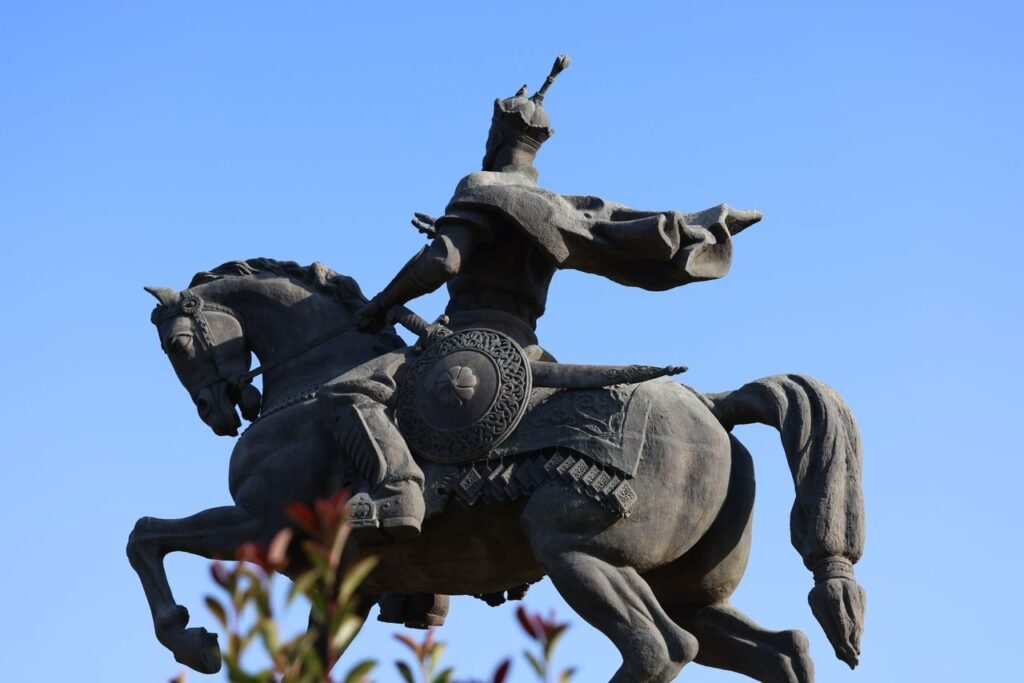
Amir Timur Square is one of the most recognisable landmarks in Tashkent, Uzbekistan. Located in the heart of the capital, the square is known for its impressive equestrian statue of Amir Timur, landscaped gardens, tree-lined paths, and prominent buildings surrounding the central public space. It is a popular destination for visitors who want to explore the city’s history, architecture, and modern urban atmosphere.
Named after Amir Timur, the 14th-century ruler who founded the Timurid Empire, the square reflects an important chapter in Central Asian history. Its central location also makes it an ideal starting point for exploring nearby museums, theatres, hotels, and other attractions in Tashkent.
Whether you are interested in historical monuments, photography, or a relaxed walk through the city centre, Amir Timur Square is a worthwhile stop on any Tashkent sightseeing itinerary.
Where Is Amir Timur Square?
Amir Timur Square is situated in central Tashkent, surrounded by major streets and prominent city buildings. Its Uzbek name is Amir Temur Maydoni, and it is often referred to by both spellings in travel guides.
The square is conveniently located near several well-known attractions, including the Amir Timur Museum, the Uzbekistan Hotel, and the Alisher Navoi State Academic Grand Theatre. Independence Square is also within reach, making it possible to explore several central landmarks in one outing.
The area is well connected by public transport and is easy to reach by taxi or on foot from nearby hotels and attractions. Its location makes it a practical stop for travellers discovering Tashkent for the first time.
History of Amir Timur Square
The history of Amir Timur Square reflects the changing identity of Tashkent over several political and historical periods. The public space developed during the Russian imperial era and was later reshaped during the Soviet period, when monuments and public squares were used to represent the political values of the time.
After Uzbekistan gained independence in 1991, the square was renamed in honour of Amir Timur, also known as Tamerlane. He founded the Timurid Empire in the 14th century and played a major role in the political and cultural history of Central Asia.
A statue of Amir Timur on horseback became the square’s central landmark, replacing earlier monuments associated with different historical periods. The redesigned square became an important symbol of Uzbekistan’s renewed emphasis on its pre-Soviet history and national heritage.
Today, Amir Timur Square is both a public gathering place and a significant historical landmark. Its monument and surrounding architecture provide visitors with an introduction to the way Tashkent represents its past in the modern city.
What to See at Amir Timur Square
The Equestrian Statue of Amir Timur
The equestrian statue of Amir Timur is the main attraction at the centre of the square. Depicting the historical ruler on horseback, the monument stands on a pedestal and serves as a focal point for the surrounding gardens and pathways.
Amir Timur established a powerful empire in the 14th century, with Samarkand as its capital. His campaigns and political influence shaped large parts of Central Asia and beyond. Today, he is an important figure in Uzbekistan’s historical identity.
Visitors often stop near the statue to take photographs and admire its scale. The monument is particularly striking when viewed against the backdrop of the surrounding buildings and open public space.
The Landscaped Gardens
The square is surrounded by landscaped gardens, green lawns, ornamental trees, and walking paths. These features provide a pleasant contrast to the busy streets of central Tashkent.
Visitors can walk around the gardens, enjoy the open space, and view the statue from different angles. The area is also a popular meeting point for residents, making it a useful place to observe everyday city life.
During spring and autumn, the greenery and milder temperatures make the square particularly pleasant for a walk. In summer, shaded areas can offer a welcome break from the heat.
Amir Timur Museum
Located near the square, the Amir Timur Museum is an important attraction for visitors interested in the ruler’s life and the wider Timurid period. The museum building is recognisable for its large blue dome and decorative architectural details.
Inside, exhibitions explore Amir Timur’s political history, military campaigns, cultural legacy, and the development of the Timurid Empire. Displays may include historical objects, manuscripts, artworks, maps, and other materials related to the period.
The museum adds valuable context to the monument in the square. Visiting both locations provides a more complete understanding of why Amir Timur occupies such a prominent place in Uzbekistan’s historical narrative.
Check the museum’s current opening hours and ticket arrangements before visiting.
The Uzbekistan Hotel
The Uzbekistan Hotel is one of the best-known buildings near Amir Timur Square. Its distinctive Soviet-era architecture makes it a notable feature of the surrounding cityscape.
The hotel represents a different stage in Tashkent’s urban development and offers an interesting architectural contrast with the square’s historical monument. Its location also reflects the area’s longstanding role as a central destination for visitors and business travellers.
Even if you do not plan to stay at the hotel, it is worth noticing as part of the wider architectural setting.
Alisher Navoi Theatre
The Alisher Navoi State Academic Grand Theatre is another major cultural landmark in central Tashkent. Known for its monumental design and decorative elements inspired by Uzbek craftsmanship, the theatre hosts opera, ballet, and other performing arts events.
Its location makes it convenient to combine with a visit to Amir Timur Square. Visitors who enjoy architecture can admire the exterior, while those interested in music and dance may wish to check the performance programme.
The Surrounding City Centre
The streets around Amir Timur Square feature cafés, shops, hotels, offices, and other public buildings. Exploring the surrounding area offers a glimpse of modern Tashkent, where Soviet-era architecture, contemporary developments, and national monuments coexist.
The square can also serve as a starting point for a longer walk through the capital’s central districts. Depending on your interests, you can continue towards nearby museums, theatres, parks, and shopping areas.
What Makes Amir Timur Square Special?
Amir Timur Square is more than a central public garden. It combines historical symbolism, urban architecture, and a convenient location within one of Tashkent’s main sightseeing areas.
Here are some reasons to include it in your itinerary:
Historical significance: Discover the legacy of Amir Timur and his role in Central Asian history.
Iconic monument: See the equestrian statue that defines the square.
Cultural attractions: Visit the nearby Amir Timur Museum and Alisher Navoi Theatre.
Architecture: Observe the contrast between the monument, the surrounding historic buildings, and Soviet-era urban design.
Relaxed atmosphere: Enjoy a walk through landscaped gardens in the centre of the capital.
Photography: Capture one of Tashkent’s most recognisable public landmarks.
For visitors travelling around Uzbekistan, the square provides a useful introduction to the country’s historical identity before exploring the Timurid monuments of Samarkand and other historic cities.
How to Visit Amir Timur Square
Amir Timur Square is easy to visit independently and fits comfortably into a half-day sightseeing route through central Tashkent. You can walk around the square, view the monument, and then continue to the nearby museum or theatre.
How Much Time Do You Need?
Allow around 30–60 minutes to explore the square and take photographs. If you plan to visit the Amir Timur Museum or attend a performance at the Alisher Navoi Theatre, set aside additional time.
The square is also suitable for a short stop between other attractions, particularly if you are exploring the city centre on foot.
Best Time to Visit
Spring and autumn are generally comfortable seasons for visiting Amir Timur Square, with milder weather for walking and outdoor sightseeing.
Morning and late afternoon can be pleasant times to explore the gardens and photograph the monument. In the evening, the surrounding streets may offer a different atmosphere as the city centre becomes more active.
Summer temperatures in Tashkent can be high, so consider visiting earlier or later in the day and carrying water. Conditions may also vary during public holidays and official events.
Visitor Etiquette and Photography
Amir Timur Square is a public space, and visitors can generally walk through its accessible areas. However, access arrangements may change during official events or security restrictions.
Follow posted instructions and respect any temporary closures. When photographing people nearby, ask permission where appropriate, especially if taking close-up pictures.
How to Get to Amir Timur Square
Amir Timur Square is located in central Tashkent and can be reached by metro, taxi, or on foot from nearby attractions.
By metro: Amir Temur Xiyoboni is the metro station associated with the square. It provides convenient access from other parts of the city.
By taxi: Taxis and ride-hailing services are useful if you are travelling from your accommodation or from attractions farther away.
On foot: If you are staying in central Tashkent, walking can be a pleasant way to reach the square and explore the surrounding streets.
Use a current map to confirm the best route from your starting point, especially if you plan to combine the square with several other attractions.
Places to Visit Near Amir Timur Square
The square’s central location makes it easy to combine with other well-known attractions in Tashkent.
Independence Square
Independence Square, known locally as Mustaqillik Maydoni, is one of the capital’s most important public spaces. Its monuments, gardens, fountains, and ceremonial areas reflect Uzbekistan’s independence and national identity.
Visiting both squares provides a useful introduction to the history and public architecture of modern Tashkent.
Navoi Theatre
The Alisher Navoi State Academic Grand Theatre is a major cultural venue known for its opera and ballet performances. Its decorative interiors and monumental façade make it appealing to visitors interested in architecture and performing arts.
Check the schedule if you would like to attend a performance during your stay.
Amir Timur Museum
The Amir Timur Museum offers a deeper look at the ruler and the Timurid period. Its exhibitions help explain the historical background of the monument in the square and the importance of the Timurid legacy in Uzbekistan.
If you are particularly interested in Central Asian history, this is one of the most relevant attractions to visit nearby.
Monument of Courage
The Monument of Courage commemorates the 1966 Tashkent earthquake and the city’s subsequent reconstruction. It provides a perspective on a more recent chapter of the capital’s history.
The monument can be included in a broader sightseeing route exploring Tashkent’s modern landmarks and public spaces.
Tashkent’s Central Parks and Streets
The surrounding city centre features green spaces, shopping areas, cafés, and prominent buildings. Exploring on foot allows you to experience the contrast between Tashkent’s national monuments and its contemporary urban life.
Depending on your schedule, you can spend additional time enjoying the cafés and public spaces around the square before continuing to another attraction.
Is Amir Timur Square Worth Visiting?
Yes, Amir Timur Square is worth visiting if you want to explore Tashkent’s history, architecture, and public spaces. The equestrian statue is one of the city’s best-known landmarks, and the surrounding gardens offer a pleasant place to walk or take photographs.
The square is particularly convenient for travellers because several major attractions are located nearby. You can see the monument in a short visit or spend longer exploring the Amir Timur Museum and other cultural landmarks in the area.
Although it is not an ancient monument like those found in Samarkand or Bukhara, Amir Timur Square offers valuable insight into how modern Uzbekistan commemorates its historical figures and presents its national identity.


