
Inhaltsverzeichnis
UmschaltenSamarkand Bazaar: Discover the Traditional Market of Uzbekistan
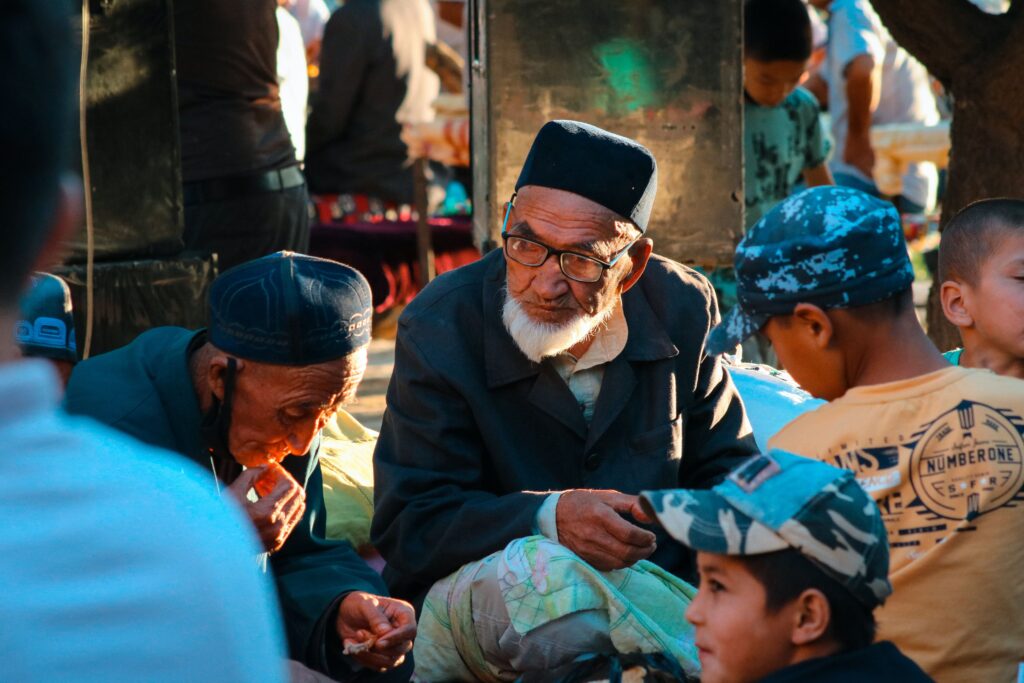
Samarkand Bazaar is one of the best places to experience everyday life, traditional food, and local culture in Samarkand, Uzbekistan. The city’s markets have long been important gathering places where merchants, farmers, artisans, and shoppers meet to exchange goods and share traditions. Today, visiting a traditional bazaar offers travelers a colorful introduction to Uzbek hospitality and the region’s rich trading heritage.
The most famous traditional market in the city is Siab Bazaar, also known as Siyob Bazaar. Located near the historic Bibi-Khanym Mosque and within reach of Shah-i-Zinda, it is a lively destination filled with fresh produce, aromatic spices, dried fruits, nuts, bread, sweets, and handmade products.
For visitors exploring Samarkand’s monumental architecture, the bazaar provides a different kind of attraction. Instead of focusing on grand buildings and historical monuments, it offers an opportunity to see local customs in action, taste regional specialties, and discover the flavors that have shaped Uzbek cuisine for generations.
History of Samarkand Bazaar
Samarkand as a Historic Trading Center
Samarkand developed into one of Central Asia’s most important cities because of its position along historic trade routes connecting China, Persia, India, and other parts of Asia. Merchants traveled through the region carrying silk, textiles, ceramics, spices, metals, and other valuable goods.
Markets played a central role in this commercial network. They served not only as places to buy and sell products but also as meeting points where travelers exchanged news, languages, ideas, and cultural traditions.
Samarkand’s trading heritage helped shape its identity as a city of commerce and cultural exchange. The modern bazaar continues this tradition, even though today’s products and shopping practices differ from those of earlier centuries.
The Role of Siab Bazaar
Siab Bazaar is the city’s best-known traditional market and one of the most recognizable places to experience its commercial culture. The market has long served residents from Samarkand and nearby communities, bringing together agricultural products from the surrounding region with food, household goods, and locally made items.
Its stalls reflect the agricultural richness of Uzbekistan, where fruit cultivation, grain production, and traditional baking remain important parts of daily life. Seasonal products create changing displays throughout the year, while familiar favorites such as nuts, dried apricots, raisins, and traditional bread are often available across multiple seasons.
The Bazaar in Modern Samarkand
Today, Samarkand Bazaar serves both local shoppers and international visitors. Residents come to purchase ingredients for everyday meals, while travelers explore its food stalls, sample local specialties, and shop for souvenirs.
Despite changes in transportation, retail, and tourism, the traditional market remains an important part of the city’s social life. Its busy walkways and lively conversations offer a glimpse into the routines and customs that continue to define Samarkand.
What to See at Samarkand Bazaar
1. Fresh Fruits and Local Produce
One of the first things visitors notice at Samarkand Bazaar is the abundance of fresh produce. Stalls display colorful arrangements of grapes, melons, pomegranates, apples, tomatoes, herbs, and other seasonal products.
Uzbekistan is particularly well known for its fruit-growing traditions. Depending on the season, visitors may find sweet melons, fragrant grapes, ripe apricots, and juicy peaches. The variety makes the produce section one of the most attractive parts of the market.
Walking through these stalls is also an opportunity to observe how local residents select ingredients for traditional meals and household use.
2. Dried Fruits and Nuts
Dried fruit is among the most popular products at Samarkand Bazaar. Raisins, dried apricots, figs, dates, and other preserved fruits are commonly sold in large containers or arranged in colorful displays.
The market also offers a variety of nuts, including almonds, walnuts, pistachios, and other regional favorites. These products are often purchased as snacks, gifts, or ingredients for desserts and festive meals.
Visitors can compare different varieties, ask about their origins, and purchase small quantities to take home, subject to their destination country’s food import rules.
3. Traditional Samarkand Bread
Bread is an essential part of Uzbek food culture, and Samarkand is especially famous for its distinctive round bread, known as non oder lepyoshka.
Samarkand bread is traditionally recognized for its decorative surface, substantial shape, and characteristic texture. At the bazaar, visitors can often see bread displayed in stacks or arranged in large baskets, ready for local shoppers.
The bread is an excellent example of how everyday food can carry regional identity and cultural meaning. For many travelers, trying freshly baked Uzbek bread is one of the simplest and most memorable experiences in the city.
4. Spices and Traditional Ingredients
The spice stalls add another sensory dimension to the market. Visitors may encounter cumin, coriander, paprika, black pepper, dried herbs, and spice blends used in Central Asian cooking.
These ingredients are essential to dishes such as plov, soups, grilled meats, and vegetable preparations. Their aromas and colors make the spice section especially interesting for photography and culinary exploration.
If you enjoy cooking, purchasing a small selection of local spices can be a practical way to bring a taste of Uzbekistan home.
5. Uzbek Sweets and Snacks
Samarkand Bazaar is also a good place to discover traditional sweets and snacks. Depending on the season and the vendors, visitors may find halva, sugar-coated nuts, pastries, dried-fruit confections, and other regional treats.
Some products are intended for everyday enjoyment, while others are associated with celebrations, family gatherings, and hospitality. Asking vendors about unfamiliar items can reveal interesting details about local food traditions.
6. Handicrafts and Souvenirs
In addition to food, parts of the market and nearby shopping areas offer souvenirs and locally made goods. Visitors may find embroidered textiles, small decorative objects, ceramics, traditional clothing accessories, and gifts inspired by Uzbek designs.
The exact selection varies between stalls, so it is worth browsing before deciding what to buy. For travelers looking for lightweight souvenirs, small textiles and decorative items can be convenient alternatives to fragile ceramics.
When purchasing handmade products, ask whether an item is locally made and compare quality and prices before making a decision.
7. Everyday Market Life
Beyond the products themselves, the most rewarding part of Samarkand Bazaar may be the atmosphere. Sellers arrange their displays, shoppers compare produce, families buy food for their homes, and visitors explore the different sections.
This everyday activity makes the market feel different from a museum or historical monument. It is a place where the city’s living culture can be observed directly, provided visitors remain respectful of local customs and the privacy of people going about their daily routines.
What to Eat at Samarkand Bazaar
A visit to the bazaar is an excellent opportunity to discover Uzbek cuisine and sample local specialties.
Samarkand Non
Traditional Uzbek bread is a must-try food. Samarkand non is known for its distinctive appearance and its importance at family meals. Bread is also a common symbol of hospitality, and it is often treated with particular respect.
Dried Apricots and Raisins
Dried fruits make easy snacks while exploring the market. They are also popular gifts because they are portable and represent the region’s fruit-growing traditions.
Nuts and Sweet Treats
Freshly roasted or prepared nuts, halva, and other traditional sweets may be available depending on the vendor. Buying a small assortment allows you to sample several flavors without committing to a large purchase.
Fresh Seasonal Fruit
When available, locally grown fruit is a delicious way to experience Uzbekistan’s agricultural produce. Selection changes throughout the year, so the best options will depend on the season.
Plov and Other Uzbek Dishes
Although the bazaar is primarily known for its market stalls, visitors may find nearby eateries or food vendors serving traditional dishes. Plov, the celebrated rice dish prepared with ingredients such as carrots, onions, and meat, is one of Uzbekistan’s best-known specialties.
For a full meal, look for a busy establishment with good food turnover and clear information about ingredients and prices.
Shopping Tips for Samarkand Bazaar
A little preparation can make your market visit more enjoyable.
Compare prices: Browse several stalls before purchasing popular souvenirs or larger quantities of dried fruit and nuts.
Ask before tasting: Some vendors offer samples, but it is polite to ask first.
Carry small cash denominations: Cash can be useful at traditional stalls, although payment options vary.
Check quantities and prices: Confirm the price and amount before the vendor weighs or packs your purchase.
Choose food carefully: Look for products that appear fresh and are stored appropriately, especially during hot weather.
Be respectful when taking photographs: Ask permission before photographing vendors or other shoppers.
Check import restrictions: Fresh fruit, seeds, nuts, and other food products may be subject to customs rules when entering another country.
Friendly conversation is often part of the shopping experience. A polite greeting and a relaxed approach can make interactions more enjoyable, even if you do not speak Uzbek or Russian.
Practical Visitor Information
Ort
The best-known market associated with Samarkand is Siab Bazaar, situated near Bibi-Khanym Mosque and the historic center of the city. Its location makes it convenient to include in a sightseeing route covering several major attractions.
Opening Hours
Opening times may vary by day, season, and individual vendor. Traditional markets are generally most active during the morning and daytime, so an earlier visit is a good choice for seeing a wide selection of produce and experiencing the market at its busiest.
Confirm current hours locally if your itinerary depends on visiting on a particular day.
Entrance Fees
Traditional market areas are generally free to enter. Visitors pay for any food, souvenirs, or other goods they choose to purchase.
How Much Time to Spend
Allow approximately 45 minutes to 1.5 hours for a relaxed visit. Food lovers, photographers, and shoppers may prefer to spend longer exploring the stalls and nearby streets.
Beste Reisezeit
Spring and autumn are comfortable seasons for exploring Samarkand on foot. During summer, mornings are often more pleasant than the hottest part of the afternoon.
Seasonal produce is one of the market’s attractions, so the products available will depend on the time of year.
Was man mitbringen sollte
Bequeme Wanderschuhe.
Small cash denominations.
A reusable shopping bag.
Drinking water in warm weather.
A camera or phone, used respectfully around vendors and shoppers.
Space in your schedule to browse without rushing.
Best Places to Visit Near Samarkand Bazaar
The bazaar is well positioned for exploring several of Samarkand’s most important historical attractions.
Bibi-Khanym Moschee
Bibi-Khanym Moschee is a monumental historic mosque near Siab Bazaar. Its grand scale, decorative details, and impressive entrance make it one of the city’s most recognizable architectural landmarks.
Combining the mosque with the bazaar allows visitors to experience both the monumental architecture of Timurid Samarkand and the everyday commercial life of the modern city.
Shah-i-Zinda
Shah-i-Zinda is a celebrated complex of mausoleums known for its intricate tilework, blue decorative surfaces, and distinctive architectural details. It is one of Samarkand’s essential destinations for visitors interested in Islamic architecture and historical craftsmanship.
Registan Platz
Registan Square is the city’s best-known architectural ensemble, featuring three monumental madrasas arranged around a historic public square. Its richly decorated façades provide a striking introduction to the artistic achievements of the Timurid and later periods.
Gur-e-Amir Mausoleum
Gur-e-Amir Mausoleum is associated with Amir Timur and members of the Timurid dynasty. Its distinctive dome and decorated interior make it an important stop on a historical tour of Samarkand.
Ulugh Beg Observatorium
Ulugh Beg Observatory offers a different perspective on the city’s history. The remains of its astronomical instrument and its museum tell the story of the scientific research carried out in Samarkand during the 15th century.


