
Inhaltsverzeichnis
UmschaltenChorsu Bazaar, Tashkent
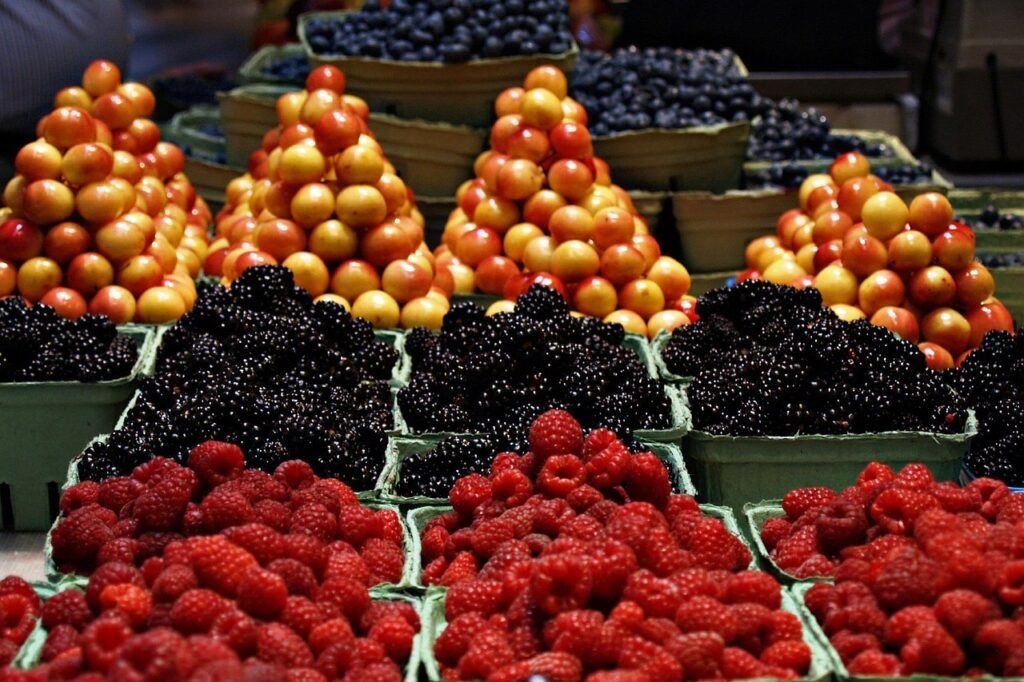
Chorsu Bazaar is one of the most famous traditional markets in Taschkent, Usbekistan, and a fascinating place to experience the country’s food, culture, and everyday life. Located in the historic Old City, this lively market is known for its distinctive blue dome, colourful stalls, fresh produce, fragrant spices, traditional sweets, and wide selection of local products.
For centuries, markets have played an important role in Central Asian trade and community life. Chorsu Bazaar continues this tradition, bringing together local shoppers, traders, and visitors in a bustling setting where Uzbek culinary culture and traditional commerce meet. Whether you want to taste regional specialities, buy souvenirs, photograph the market’s architecture, or simply explore one of Tashkent’s busiest public spaces, Chorsu Bazaar is well worth adding to your itinerary.
Where Is Chorsu Bazaar?
Chorsu Bazaar is located in the Old City of Tashkent, near the Chorsu metro station. Its central position makes it easy to combine a market visit with other historic attractions in the Uzbek capital.
The surrounding neighbourhood offers a glimpse of traditional Tashkent, with old streets, local shops, mosques, and cultural landmarks. The famous Khast Imam Complex is also within reach, making the area a convenient destination for travellers who want to explore the city’s historical side.
Thanks to its metro connection, Chorsu Bazaar is relatively easy to reach from many parts of Tashkent. Visitors can arrive independently or include the market in a guided walking tour of the Old City.
History of Chorsu Bazaar
Tashkent has long been an important centre of trade in Central Asia. Its location connected routes linking different parts of the region, allowing merchants to exchange food, textiles, household goods, and other products. Traditional bazaars became essential places not only for commerce but also for social interaction and cultural exchange.
Chorsu Bazaar developed as part of this long market tradition. The name Chorsu is commonly associated with a crossroads or place where several roads meet, reflecting the role of bazaars as gathering points for people and goods.
Over time, the market expanded and adapted to the changing city. Today, it combines traditional trading practices with modern facilities, while remaining an important destination for local residents shopping for everyday necessities.
The large blue-domed market building has become one of Chorsu’s most recognisable features. Its architecture provides a memorable setting for the market’s busy stalls and gives the bazaar a distinctive place in Tashkent’s urban landscape.
What to See at Chorsu Bazaar
The Famous Blue Dome
One of the first things visitors notice at Chorsu Bazaar is its large blue dome, which covers part of the market. The building is a familiar landmark in Tashkent and creates a striking contrast with the colourful displays of food and goods below.
Inside, the covered market offers shelter from the weather and a lively environment for browsing the stalls. The dome and surrounding market structures also provide interesting photographic opportunities, especially for visitors interested in architecture and daily life.
Take time to look beyond the main entrance and explore the different sections of the market. Each area has its own atmosphere, from food counters and produce stalls to displays of traditional ingredients and regional specialities.
Fresh Fruits and Vegetables
Fresh produce is one of the highlights of Chorsu Bazaar. Depending on the season, stalls display grapes, melons, apricots, pomegranates, apples, tomatoes, cucumbers, herbs, and many other fruits and vegetables.
Uzbekistan is known for its agricultural products, and the market offers an opportunity to see the variety available across the country. Seasonal displays can be particularly colourful, while vendors often arrange their goods in large, carefully organised piles.
If you enjoy discovering local ingredients, this section is a great place to learn about the produce used in Uzbek cooking. Ask before sampling products, and check prices before making a purchase.
Spices, Nuts, and Dried Fruits
The spice and dried-fruit stalls are among the most appealing areas of Chorsu Bazaar. Their displays often include cumin, coriander, paprika, dried herbs, raisins, apricots, almonds, walnuts, pistachios, and other ingredients commonly used in Central Asian cuisine.
These products also make convenient souvenirs because many can be packed and transported more easily than fresh food. Visitors can browse different varieties, compare prices, and ask vendors about local ingredients.
The aromas, colours, and textures make this part of the market especially enjoyable to explore. If you plan to buy spices or nuts, check packaging and any food-import restrictions that apply when returning home.
Traditional Uzbek Bread
Bread holds a special place in Uzbek food culture, and Chorsu Bazaar is a good place to discover traditional varieties. One of the best-known is non, a round bread often decorated with patterns pressed into the dough before baking.
Uzbek bread can vary in texture, thickness, and flavour depending on the region and baking method. At the market, visitors may find freshly baked loaves alongside other bakery products and local snacks.
Buying bread is a simple way to experience everyday Uzbek food traditions. Remember that some products sell quickly, so the selection may vary depending on the time of day.
Meat and Dairy Products
Chorsu Bazaar also includes sections selling meat and dairy products. Depending on the area and season, shoppers may find beef, lamb, sausages, cheeses, yoghurt, and other ingredients used in traditional Uzbek meals.
These sections offer insight into the ingredients that form the basis of many local dishes. The market is primarily designed for everyday shopping, so visitors should be mindful of the working environment and avoid obstructing vendors or customers.
If you are sensitive to strong smells or prefer not to visit fresh-meat displays, you can focus on the produce, spices, bakery, and prepared-food sections instead.
Uzbek Sweets and Local Snacks
Visitors with a sweet tooth will find plenty to explore at Chorsu Bazaar. Stalls may offer halva, dried fruit, nuts, pastries, candies, and other regional treats.
Many Uzbek sweets are served with tea and shared during family gatherings or celebrations. Trying a few local snacks can be an enjoyable way to discover flavours that may be unfamiliar to visitors.
Look for products that are clearly labelled or ask vendors about their ingredients, especially if you have food allergies or dietary requirements.
Traditional Crafts and Souvenirs
Although Chorsu is best known as a food market, the surrounding trading areas may also offer clothing, household goods, textiles, and souvenirs. Depending on the stalls available, visitors can look for small gifts, decorative items, and products associated with Uzbek craftsmanship.
For a wider selection of specialist handicrafts, dedicated craft shops and cultural markets elsewhere in Tashkent may be more suitable. Still, browsing the bazaar can be a good opportunity to see the variety of goods used and sold by local residents.
What to Eat at Chorsu Bazaar
A visit to Chorsu Bazaar is also an opportunity to explore Uzbek cuisine. The market and its surrounding streets are known for traditional foods, snacks, and places to eat, although the exact selection varies between stalls and vendors.
Here are some dishes and foods worth looking for:
Plov: Uzbekistan’s celebrated rice dish, typically prepared with carrots, onions, oil, and meat. Ingredients and cooking styles vary by region.
Samsa: Baked pastries commonly filled with meat, onions, or other ingredients.
Shashlik: Skewered and grilled meat, often served with bread and onions.
Lagman: A noodle dish served with vegetables and a savoury sauce or broth.
Non: Traditional Uzbek bread, often baked in a tandoor-style oven.
Dried fruits and nuts: Convenient snacks that also make popular market purchases.
Tea and sweets: A familiar combination in Uzbek hospitality and everyday dining.
If you want to try prepared food, look for busy stalls with freshly cooked dishes and good food-handling practices. Ask about ingredients before ordering, particularly if you avoid certain meats or have allergies.
What Makes Chorsu Bazaar Special?
Chorsu Bazaar offers a different experience from Tashkent’s museums, monuments, and modern shopping centres. It is a working market where visitors can observe everyday routines and discover the ingredients, flavours, and products that form part of local life.
Some of the main reasons to visit include:
Local food culture: Explore traditional ingredients, breads, sweets, and prepared dishes.
Market architecture: See the distinctive blue dome and covered trading areas.
Photography: Capture colourful displays and the atmosphere of the Old City, while asking permission before photographing individuals.
Shopping: Buy spices, dried fruits, nuts, and other products to take home, subject to travel restrictions.
Cultural experience: Observe the daily activity of one of Tashkent’s best-known traditional markets.
Chorsu is particularly rewarding for travellers who enjoy exploring cities through their food and local commerce rather than visiting landmarks alone.
How to Visit Chorsu Bazaar
Chorsu Bazaar is easy to include in a Tashkent sightseeing itinerary. You can explore it independently, visit with a local guide, or combine it with nearby attractions in the Old City.
How Much Time Do You Need?
Allow around one to two hours for a relaxed visit. This should provide enough time to explore the main market sections, browse the stalls, try a local snack, and take photographs.
Food enthusiasts or travellers who enjoy shopping may want to spend longer. If you plan to visit Khast Imam Complex and other nearby landmarks on the same day, allow additional time for walking and transport.
Beste Reisezeit
Morning is generally a good time to visit Chorsu Bazaar, when many stalls are active and the market is busy with local shoppers. Visiting earlier in the day may also provide a more comfortable experience during the hotter months.
The market can be crowded, particularly during busy shopping periods and around weekends or holidays. If you prefer a quieter visit, try to avoid the busiest times and keep your belongings secure in crowded areas.
Opening hours can differ between market sections and individual vendors. Check locally before travelling if you have a tight schedule.
Shopping and Bargaining Tips
Chorsu Bazaar is a place to compare products and prices rather than rush through a shopping list. A few simple tips can make the experience easier:
Check the price before asking a vendor to weigh or package an item.
Compare prices between stalls if you plan to make a larger purchase.
Carry some Uzbek som for small transactions, as not every vendor may accept card payments.
Bring a reusable bag for fruit, spices, or souvenirs.
Ask before taking close-up photographs of vendors or their products.
Be polite when bargaining, and accept the quoted price if you do not wish to negotiate.
For packaged foods and souvenirs, check the condition of the packaging and whether the item can legally be brought into your destination country.
How to Get to Chorsu Bazaar
The simplest way to reach Chorsu Bazaar by public transport is to take the Tashkent Metro to Chorsu Station. From the station, the market is only a short walk away, with its main entrances and surrounding trading areas easy to find.
Taxis and ride-hailing services are also practical options if you are travelling with family, carrying shopping, or staying far from the metro network.
If you are exploring the Old City on foot, you can combine the bazaar with nearby historic sites. Use a current map to plan the route, as entrances and pedestrian access may vary around the market.
Places to Visit Near Chorsu Bazaar
Chorsu Bazaar is well positioned for exploring several of Tashkent’s cultural and historical attractions.
Khast Imam Komplex
The Khast Imam Complex is one of the capital’s most important religious and historical sites. Its mosques, madrasahs, mausoleum, and traditional architectural details offer a contrast to the lively atmosphere of the bazaar.
A visit to both attractions gives you a useful introduction to Tashkent’s Old City, combining everyday market life with the city’s Islamic heritage.
Center of Islamic Civilization
The Center of Islamic Civilization explores the history, scholarship, art, and cultural heritage of Uzbekistan and the wider Islamic world. It is an appealing addition for travellers interested in manuscripts, historical objects, and the intellectual traditions of Central Asia.
Check current opening hours, exhibitions, and ticket arrangements before visiting.
Kukeldash Madrasah
Kukeldash Madrasah is a prominent historic building near the Chorsu area. Dating to the 16th century, it is an important example of traditional Islamic educational architecture in Tashkent.
Its location makes it convenient to include on a walking route around the bazaar and Old City. Access to the building may vary, so check local conditions if you wish to enter.
Tashkent Old City
Beyond the main attractions, the surrounding Old City is worth exploring for its traditional neighbourhoods, small shops, religious landmarks, and local streets. Walking through this part of Tashkent offers a broader sense of the city’s history and daily life.
Is Chorsu Bazaar Worth Visiting?
Yes, Chorsu Bazaar is one of the most rewarding places to visit in Tashkent if you want to experience local food and culture. Its blue-domed market building, colourful produce stalls, spices, traditional bread, and busy trading areas make it more than a place to shop.
The bazaar is suitable for independent travellers, families, food lovers, and anyone curious about everyday life in Uzbekistan. Even if you do not plan to buy anything, walking through the market can provide a memorable introduction to the flavours and traditions of the country.
For the best experience, combine Chorsu Bazaar with the Khast Imam Complex or other Old City attractions, and leave enough time to browse without rushing.


