
Table of Contents
ToggleKyrgyz Nomadic Craft Workshop: Felt & Yurt making show
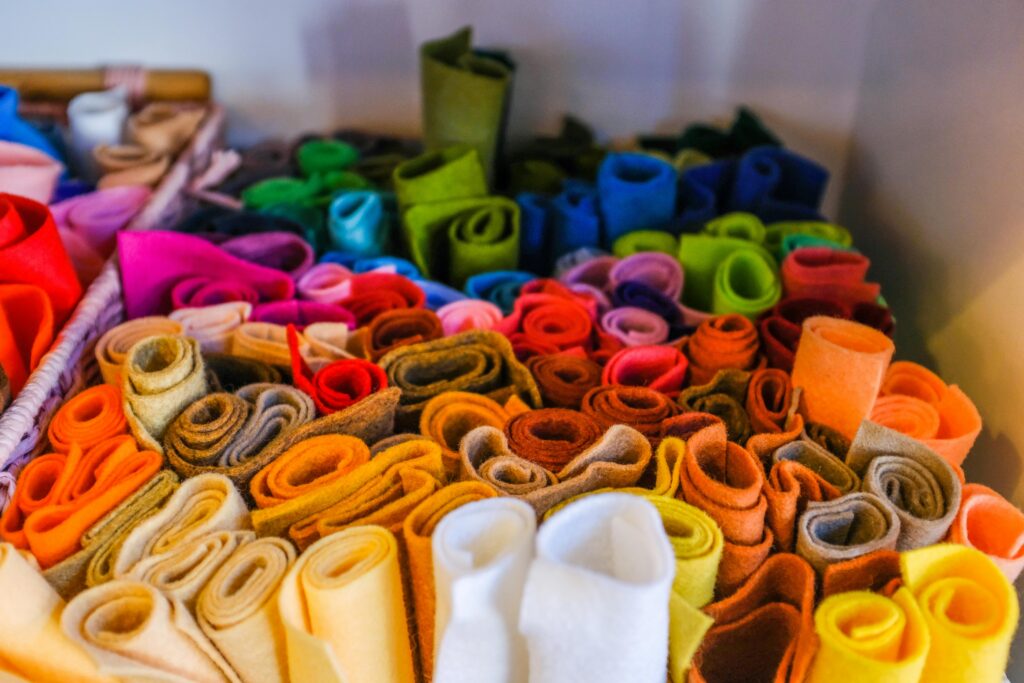
Experience the rich heritage of Kyrgyz nomadic culture through a traditional craft workshop in Kyrgyzstan. Learn ancient handicraft techniques, meet local artisans, and discover how generations of nomadic families created practical objects, decorated yurts, and handmade textiles using natural materials.
From colorful felt carpets and traditional shyrdak designs to the construction of a Kyrgyz yurt and the art of wool processing, these hands-on experiences offer a unique opportunity to explore the country’s cultural traditions. Whether you are interested in crafts, history, architecture, or authentic local experiences, a nomadic craft workshop brings you closer to the skills and creativity that shaped Kyrgyz life for centuries.
Practical Information
- Location: Kyrgyzstan – Kyzyl Tuu (Issyk-Kul), Kochkor; the exact location depends on your selected experience.
- Duration: 1-3 hours
- Availability: By prior arrangement and subject to local conditions.
- Suitable for: Individual travelers, couples, families, and groups.
- Languages: To be confirmed when booking.
- Price: From 80 USD per masterclass (group price). Available on request. Lunch included.
- Extra services: Alcoholic drinks
- Other activities in Kyrgyzstan: Eagle hunting show, cooking masterclass
Discover the Traditional Crafts of Kyrgyzstan
Kyrgyz handicrafts developed around the needs of a nomadic lifestyle. For generations, families moved seasonally with their livestock, requiring portable shelters, durable textiles, warm clothing, and practical household objects.
Wool from sheep was one of the most valuable natural materials. It could be transformed into felt for floor coverings, wall decorations, bags, and other household items. Wood, leather, woven fibers, and other locally available materials were also used to create objects suited to everyday life.
Traditional crafts were not simply decorative activities. They represented practical knowledge, artistic expression, family heritage, and community cooperation. Many techniques were passed from mothers and grandmothers to younger generations, preserving distinctive patterns and methods.
Today, Kyrgyz artisans continue to maintain these traditions. Through craft workshops and cultural demonstrations, visitors can learn about the materials, tools, designs, and skills involved in making traditional handicrafts.
Felt Making Workshop: Discover the Art of Shyrdak and Ala-Kiyiz
Felt making is one of the best-known traditional crafts of Kyrgyzstan. It involves transforming wool fibers into a dense textile through a process that uses moisture, pressure, and friction.
During a felt-making workshop, a local artisan introduces you to the properties of wool and explains how it is prepared for traditional handicrafts. You may learn about cleaning, arranging, layering, and working the fibers to create a piece of felt.
Two important Kyrgyz felt traditions are shyrdak and ala-kiyiz.
A shyrdak is a traditional felt carpet made using carefully cut and arranged pieces of contrasting colored felt. Artisans create geometric patterns inspired by nature, animals, and traditional ornamental designs. The pieces are stitched together to form a durable and distinctive decorative carpet.
Ala-kiyiz is another traditional felt-making technique in which colored wool is incorporated into a felt surface during the felting process. The resulting patterns have a softer, more blended appearance than the clearly defined motifs of a typical shyrdak.
Depending on the workshop, you may have the opportunity to create a small felt souvenir, practice traditional patterns, or observe artisans working on larger pieces. The experience provides insight into the patience, creativity, and craftsmanship required to produce these handmade textiles.
Yurt Making Workshop: Learn About the Traditional Kyrgyz Home
The Kyrgyz yurt, known locally as a boz ui, is one of the most recognizable symbols of nomadic culture. Designed to be assembled, dismantled, and transported, it provided shelter for families moving between seasonal pastures.
A traditional yurt combines a wooden framework with felt coverings. Its circular structure distributes weight effectively, while the lattice wall sections and roof poles create a spacious interior. The crown at the top, called the tunduk, is especially significant in Kyrgyz culture and is also represented in the national flag.
During a yurt-making workshop, you can discover how the main structural components fit together and learn why the design is suited to life in the mountains and open pastures.
Depending on the program, a local craftsperson may demonstrate how the wooden lattice walls are arranged, how roof poles are attached, and how felt coverings protect the interior from changing weather conditions. Some workshops focus on the construction process, while others explain decoration, household arrangements, and the cultural meaning of different parts of the yurt.
You may also learn about the traditional division of interior space, the role of the yurt in family gatherings, and its importance during celebrations and community events.
A yurt workshop is particularly interesting for travelers who want to understand the practical ingenuity behind Kyrgyz nomadic architecture.
Traditional Wool Processing and Textile Crafts
Before wool becomes a carpet, felt decoration, or household object, it must be prepared. Traditional wool processing provides another fascinating insight into Kyrgyz craftsmanship.
Depending on the workshop, you may observe or participate in preparing wool, separating and arranging fibers, and learning how raw materials are transformed into useful textiles.
Artisans may also demonstrate how felt is shaped into small decorative items, accessories, or souvenirs. These activities offer a hands-on introduction to the materials and techniques used in traditional Kyrgyz handicrafts.
Some workshops include embroidery, traditional ornament design, or textile decoration. The specific activities depend on the local artisan and the type of program arranged.
Other Traditional Craft Demonstrations in Kyrgyzstan
In addition to felt making and yurt construction, visitors may have opportunities to discover other forms of Kyrgyz craftsmanship.
Traditional embroidery: Learn about decorative stitching, ornamental patterns, and the use of embroidery on clothing, textiles, and household items.
Leather craftsmanship: Discover how leather has traditionally been used to make practical objects, containers, and accessories for everyday life and travel.
Wood carving: Observe how artisans shape and decorate wooden objects, including household items and selected components used in traditional architecture.
Traditional jewelry: Explore decorative metalwork and jewelry inspired by Kyrgyz cultural motifs. Availability depends on the artisan and workshop.
Handmade souvenirs: Create a small craft item using traditional-inspired patterns and techniques, offering a personal memento of your visit.
Not every location offers all these activities. When arranging your experience, ask which crafts are demonstrated and whether participants can make their own items.
more about nomadic workshops
What to Expect During a Nomadic Craft Workshop
A typical workshop begins with a welcome from a local artisan or cultural host, followed by an introduction to the craft and its historical significance.
You will learn about the materials, tools, and techniques used to produce traditional objects. The artisan may demonstrate each stage of the process before inviting participants to try selected tasks themselves.
Depending on the activity, you might work with wool and felt, experiment with ornamental patterns, help assemble a small yurt model, or observe the construction of a traditional structure.
The pace is generally adapted to the type of craft and the group. Some activities are suitable for beginners, while others focus on demonstrations by experienced craftspeople.
At the end of the experience, you may have the opportunity to view finished handicrafts, take photographs with permission, and purchase locally made items directly from artisans if available.
Where to Experience Nomadic Crafts in Kyrgyzstan
Traditional craft experiences can be arranged in different parts of Kyrgyzstan, depending on the artisan and tour provider.
Bishkek can be a convenient starting point for cultural workshops and introductions to Kyrgyz handicrafts. The Issyk-Kul region is also known for its cultural tourism experiences, including traditional felt-making activities and opportunities to meet local craftspeople.
In rural areas and communities near the mountains, craft workshops may be combined with visits to guesthouses, demonstrations of nomadic life, or excursions through traditional landscapes.
The exact activities, language, duration, and location depend on the program. Advance arrangements are recommended if you want to learn a specific craft or visit a particular artisan.
Why Choose a Nomadic Craft Workshop?
A traditional craft workshop is an opportunity to experience Kyrgyzstan through the knowledge and creativity of its people. Rather than simply viewing handmade objects, you can learn how they are produced and why they remain important to local cultural identity.
These experiences are suitable for travelers interested in heritage, architecture, art, textiles, and hands-on cultural activities. Families, couples, photographers, and small groups can all enjoy discovering traditional techniques, subject to the workshop’s arrangements.
Participating in a locally hosted experience can also help support artisans and encourage the continuation of traditional skills.
Book Your Nomadic Craft Workshop in Kyrgyzstan
Discover the creativity of Kyrgyz nomadic culture through felt making, shyrdak and ala-kiyiz techniques, yurt construction demonstrations, and other traditional handicrafts.
Meet local artisans, learn about centuries-old skills, and experience the traditions behind the objects that made nomadic life possible.
Whether you want to create your own felt souvenir or understand how a traditional Kyrgyz yurt is built, a nomadic craft workshop offers a memorable cultural experience during your journey.
FAQ
A nomadic craft workshop is a cultural experience where visitors learn about traditional Kyrgyz handicrafts from local artisans. Activities may include felt making, carpet design, yurt construction demonstrations, embroidery, and other traditional crafts.
Felt making is a traditional technique that transforms wool fibers into a dense textile using moisture, pressure, and friction. Felt has historically been used for carpets, yurt coverings, decorations, and practical household items.
Shyrdak and ala-kiyiz are two traditional Kyrgyz felt-making techniques. Shyrdak carpets are made by cutting and stitching contrasting felt pieces into decorative patterns. Ala-kiyiz is produced by incorporating colored wool into the felt during the felting process, creating softer, blended designs.
Some workshops allow participants to create a small felt item or practice traditional decorative techniques. The exact project depends on the artisan, the available materials, and the duration of the class.
A Kyrgyz yurt, called a boz ui, is a portable circular dwelling traditionally used by nomadic families. It has a wooden framework covered with felt and is designed to be assembled, dismantled, and transported between seasonal pastures.
Depending on the program, you may watch a yurt assembly demonstration, learn about its structural components, or participate in selected parts of the process. Full construction may require specialist skills and additional time, so check the exact activities offered.
Depending on the location, workshops may include embroidery, wool processing, leather craftsmanship, wood carving, traditional jewelry, and handmade souvenir production.
Workshops may be available in Bishkek, the Issyk-Kul region, and selected rural communities. The location depends on the local artisan and the experience you choose.
Duration varies according to the activity. A short craft demonstration may take less time than a hands-on felt-making session or a detailed yurt construction workshop. Confirm the expected duration when booking.
Yes. Many introductory workshops are designed for visitors without previous experience. Artisans explain the techniques and demonstrate the process, although the difficulty depends on the chosen craft.
Many workshops can accommodate families, particularly activities involving simple felt crafts or decorative patterns. Age requirements, supervision, and available activities vary, so confirm suitability with the provider before booking.
Depending on availability, the workshop may be combined with a traditional meal, a yurt visit, a local guesthouse experience, or other cultural demonstrations. Ask about combination options when arranging your itinerary.


