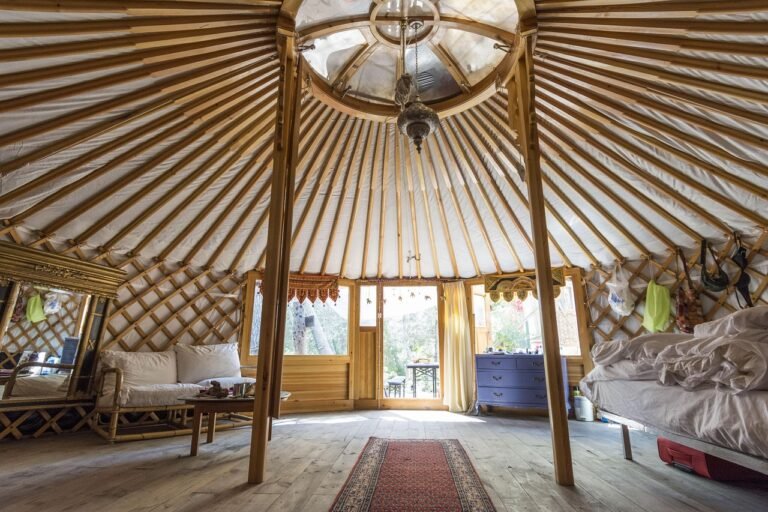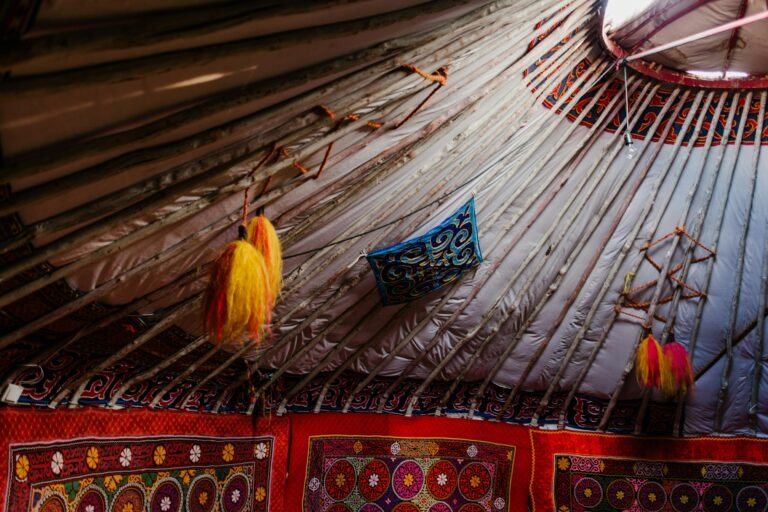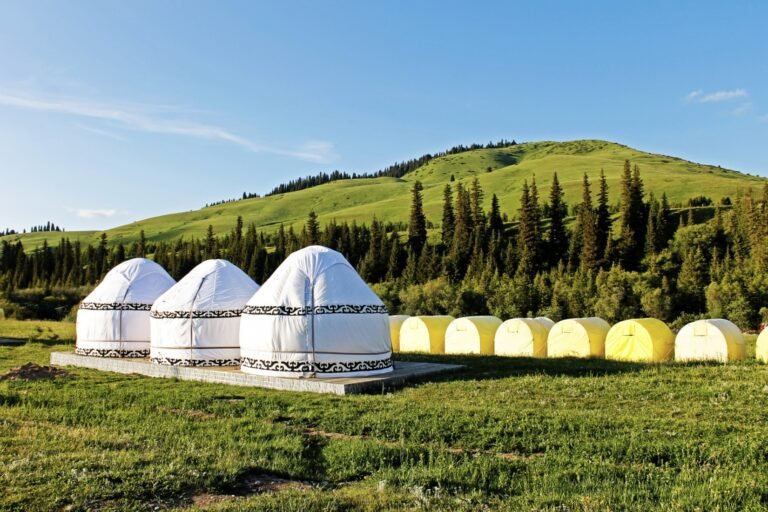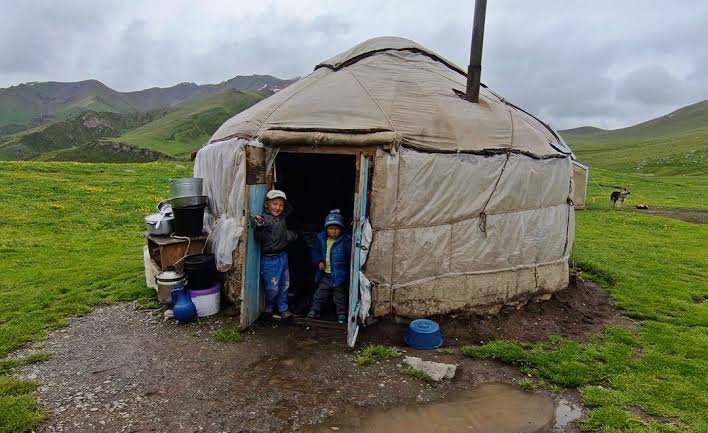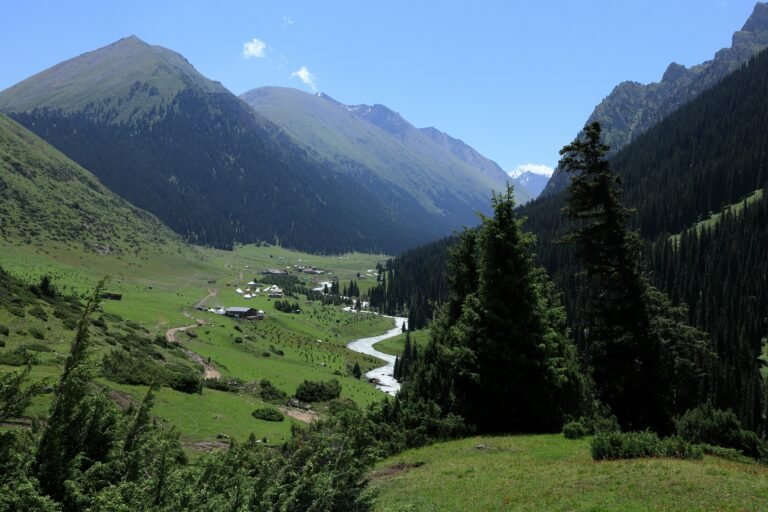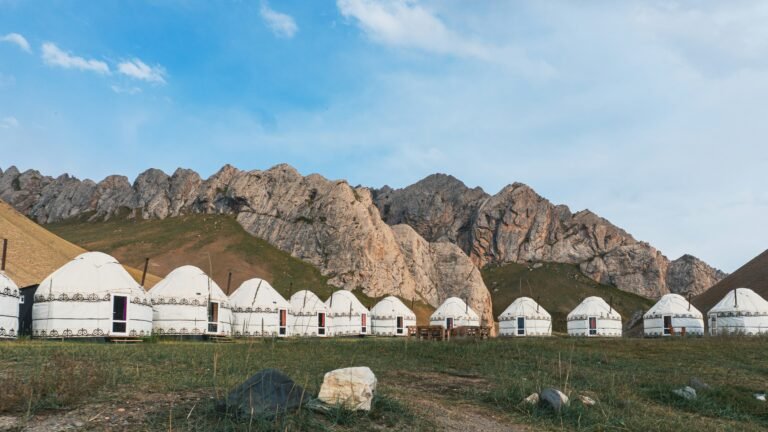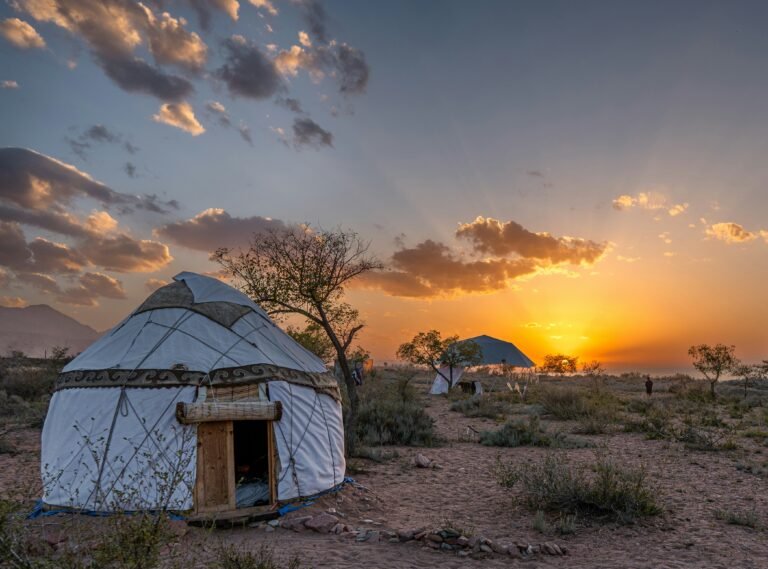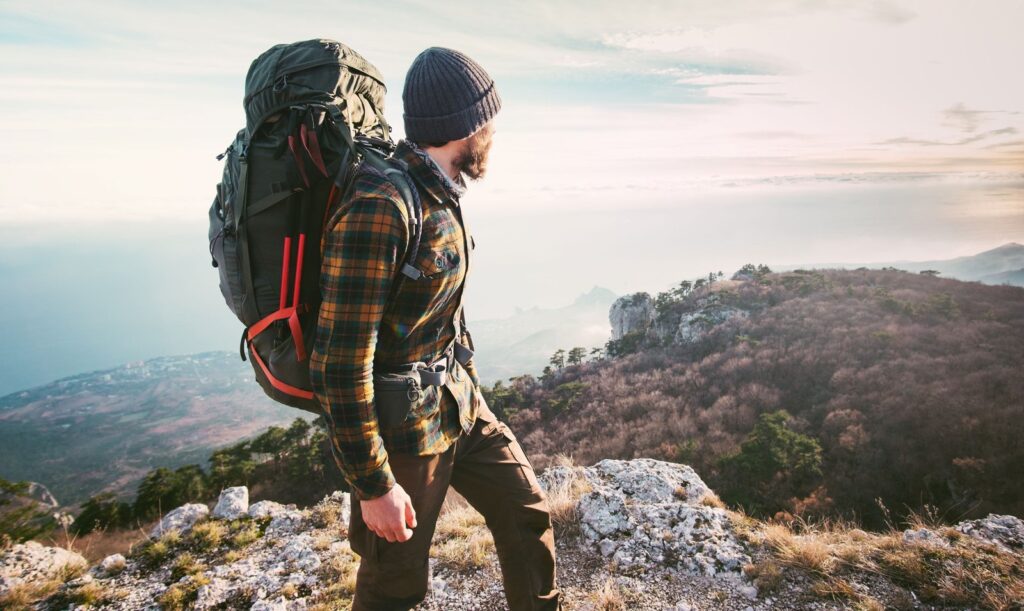
Backpacking through Central Asia is an exciting adventure filled with breathtaking landscapes, rich cultures, and warm hospitality. Whether you’re exploring the ancient Silk Road cities of Uzbekistan, hiking the rugged mountains of Kyrgyzstan, or experiencing the nomadic lifestyle in Kazakhstan, proper preparation is key to an enjoyable journey. This guide provides a comprehensive packing list, travel tips, and FAQs to ensure a smooth trip.
Essential Packing List for Backpacking in Central Asia
| Item Category | Essentials |
|---|---|
| Clothing | Lightweight, breathable clothes, warm layers, rain jacket, sturdy hiking boots, hat & gloves (for higher altitudes) |
| Documents | Passport, visas, travel insurance, copies of important documents |
| Gear | Backpack (50-70L), daypack, sleeping bag, compact tent (if camping), travel towel |
| Health & Safety | First-aid kit, prescribed medications, sunscreen, insect repellent, water purification tablets |
| Electronics | Power bank, universal adapter, flashlight, camera, e-reader/tablet |
| Money & Finance | Cash (USD or EUR for exchange), debit/credit card, money belt |
| Miscellaneous | Notebook, pen, phrasebook, reusable water bottle, dry bag |
Travel Tips for Backpacking in Central Asia

We put together all the tips you should know before traveling.
Visa Requirements

It’s essential to check the latest visa requirements and apply online where possible. Consider obtaining e-visas in advance to avoid long waits at borders. Keep printed and digital copies of your visa approvals for convenience.
Currency & Payments

While major cities have ATMs, they may not always work with foreign cards, and smaller towns may not have them at all. It’s advisable to carry enough cash, particularly in USD or EUR, which are widely exchanged in local currency markets.
Credit cards are accepted in upscale hotels and restaurants, but cash is the most reliable payment method. Exchange money only at official exchange offices to avoid scams. Carry small denominations for easier transactions in markets and rural areas.
Transport

Central Asia has an affordable and extensive transport system, but schedules can be unpredictable. Shared taxis and marshrutkas (minibuses) are common for intercity travel, while long-distance trains offer a comfortable alternative in Uzbekistan and Kazakhstan.
In remote areas, hitchhiking is a common practice but should be approached with caution. Buses can be slow and outdated, so plan accordingly for long journeys. Consider downloading offline maps, as navigation apps may not always work in rural regions.
Food & Water Safety

While Central Asian cuisine is delicious and diverse, it’s important to be cautious with street food to avoid foodborne illnesses. Stick to well-cooked meals and avoid raw vegetables or unpasteurized dairy. Water quality varies, so always opt for bottled or filtered water.
A portable water filter or purification tablets can be useful, especially for trekking or rural stays. Traditional dishes like plov, lagman, and manti are must-tries, but be sure to ask about ingredients if you have dietary restrictions.
Cultural Etiquette

Central Asian cultures are deeply rooted in hospitality and respect. Modest clothing is recommended, particularly in rural and religious areas, where shorts and tank tops may be frowned upon. Greetings are important; a handshake or placing a hand over the heart is a common form of respect.
Women travelers may receive extra attention, but dressing conservatively and showing confidence helps in interactions. Learning basic phrases in Russian or local languages, such as Uzbek or Kyrgyz, will greatly enhance your travel experience and build rapport with locals.
Connectivity

Internet access is available in major cities, but coverage can be limited in rural areas. Buying a local SIM card upon arrival is the most affordable way to stay connected, with Beeline, Ucell, and MegaCom being popular providers. Some guesthouses and hostels offer Wi-Fi, but speeds can be slow.
Download offline maps and translation apps before traveling. If you plan on working remotely, consider investing in a portable Wi-Fi device or using coworking spaces in larger cities like Almaty or Bishkek.
Best Time to Visit

The ideal time for backpacking in Central Asia depends on your planned activities. Spring (April-June) and autumn (September-October) offer pleasant temperatures for sightseeing and trekking. Summers can be extremely hot, particularly in desert regions like Turkmenistan and Uzbekistan, while winters bring heavy snowfall in the mountains, making some passes inaccessible.
If you’re an avid skier, winter is great for visiting destinations like Shymbulak in Kazakhstan. Always check weather conditions before setting off for remote areas.
How Our Services Can Help
We offer tailored travel services to make your Central Asian adventure hassle-free:
- Custom Itineraries: Get a personalized travel plan based on your preferences.
- Visa Assistance: Guidance on visa applications and paperwork.
- Local Tours & Guides: Book local experiences, guided hikes, and cultural tours.
- Mountain-ready Transport & Local Driver cum Guide: Get a sedan or minibusses with a local driver to any part of Central Asia for an affordable price
- Emergency Support: 24/7 assistance in case of travel disruptions or health issues.